Resin Home Decor Figurines
A Practical Sourcing Guide for Global Buyers
Introduction
Resin home decor figurines are popular decorative products used in living rooms, bedrooms, offices, retail displays, and seasonal collections. Compared with many traditional decorative materials, resin offers greater flexibility in shape, surface finishing, and design customization.
For home decor brands, retailers, wholesalers, and importers, sourcing resin figurines from China provides access to a wide range of designs and manufacturing options. However, choosing the right supplier involves more than comparing product prices. Buyers also need to understand material specifications, mold development, painting quality, production consistency, and packaging requirements.
This guide explains the key factors buyers should consider when sourcing resin home decor figurines, helping businesses make more informed purchasing decisions.
1. Popular Resin Figurine Styles and Product Applications
Resin can be used to create figurines in various shapes, sizes, and decorative styles. Understanding the main product categories can help buyers identify suitable designs for their target markets.
Common resin home decor figurines include:
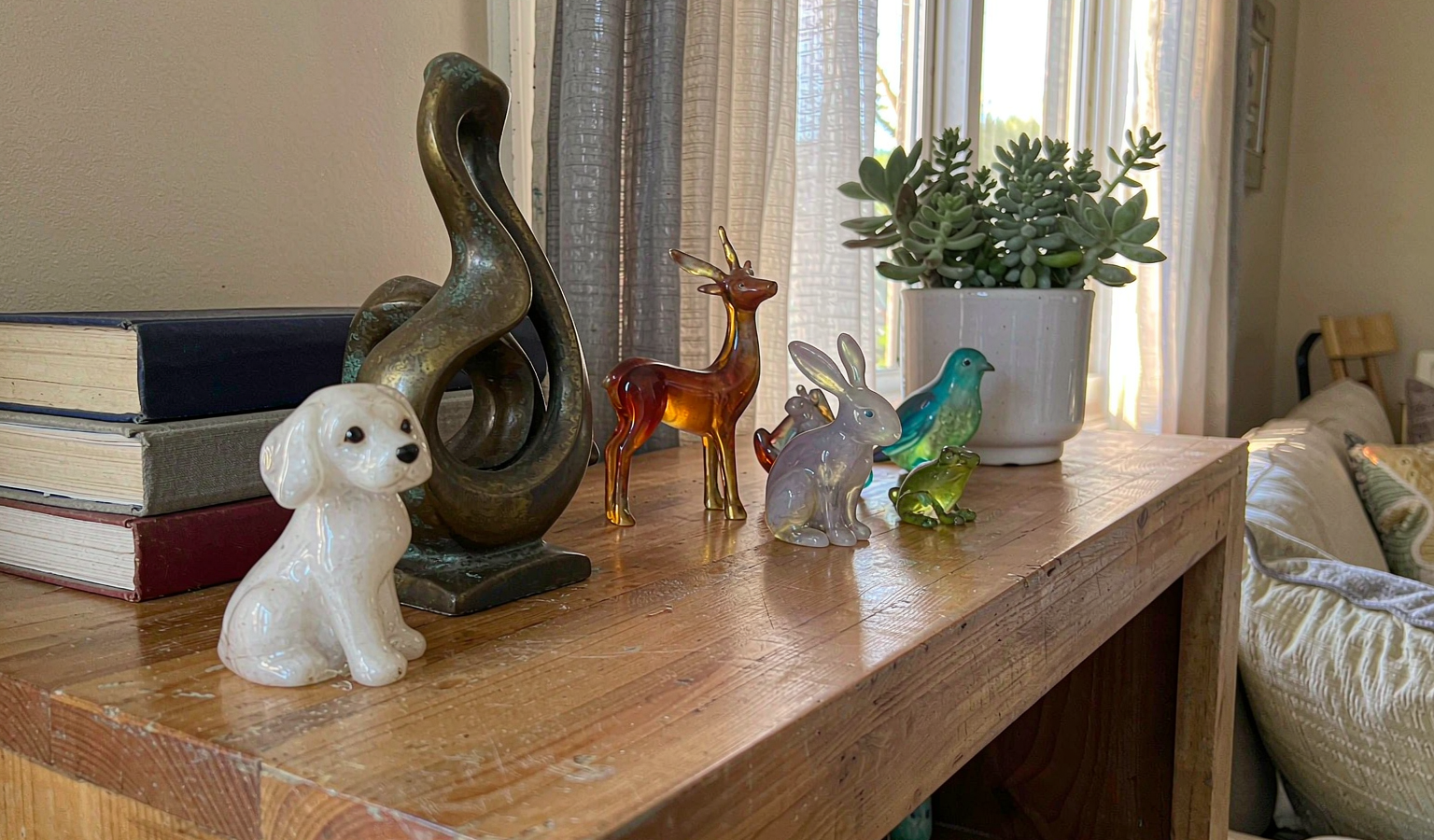
- Animal Figurines: Dogs, cats, birds, elephants, and other animal designs are widely used in home decoration and gift collections.
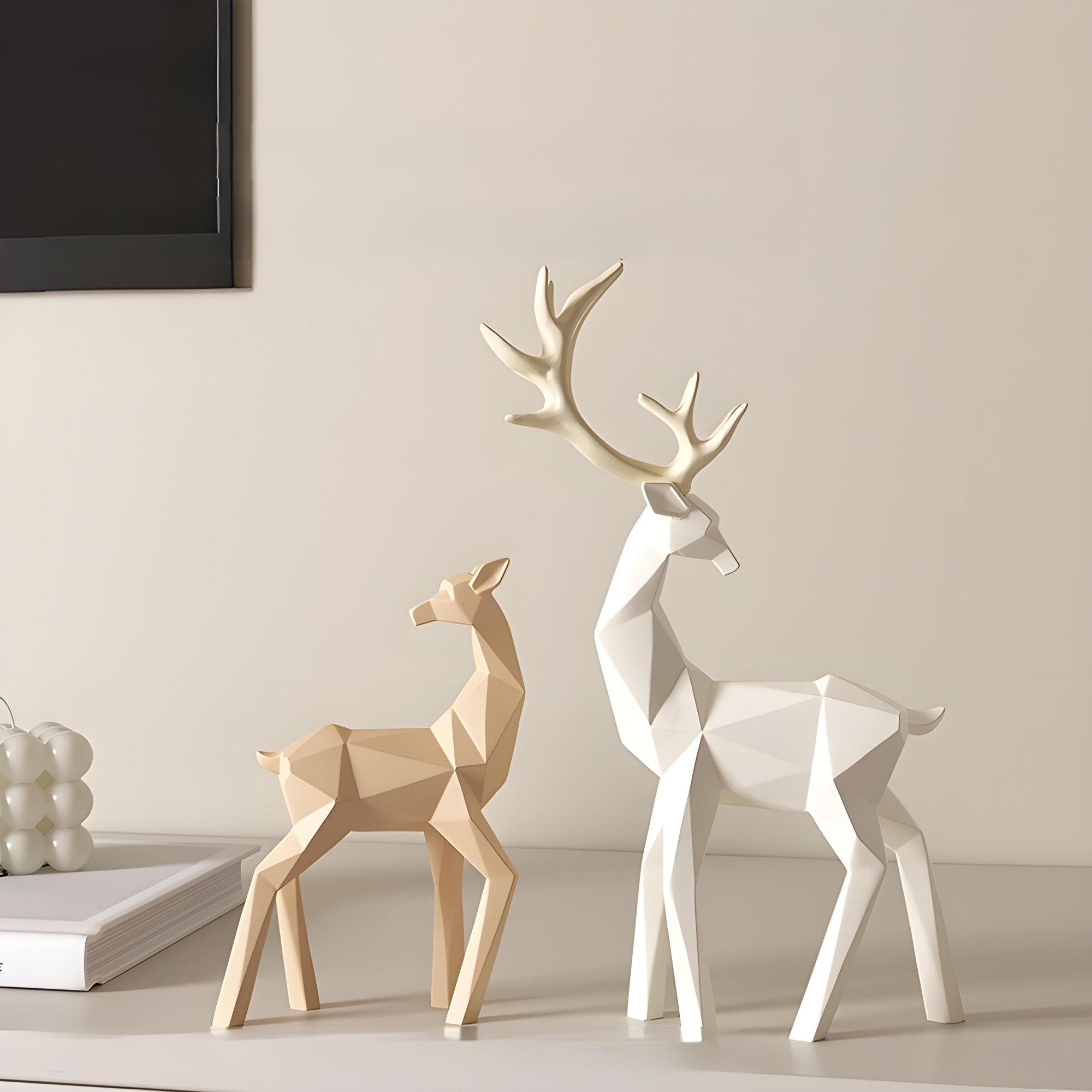
- Abstract Sculptures: Modern geometric shapes and artistic designs are suitable for contemporary interiors.
- Religious Figurines: Religious figures and symbolic ornaments are commonly found in gift shops and specialty retail collections.
- Seasonal Decorations: Christmas, Halloween, Easter, and other holiday-themed figurines are popular for seasonal retail displays.
- Character and Collectible Figurines: Decorative characters and themed designs can be developed for specific customer groups and product collections.
When selecting products, buyers should consider the preferences of their target customers, the intended retail price, product dimensions, and the overall style of their existing collections.
2. Resin Materials and Product Construction
Not all resin figurines are made with exactly the same material formulation. Different manufacturers may use different resin types and material combinations depending on the product design, production requirements, and cost targets.
Some commonly used resin materials include:
- Polyresin: Frequently used for decorative figurines because it can reproduce detailed shapes and support various surface finishes.
- Epoxy Resin: Often used for decorative products requiring a smooth, glossy, or transparent appearance.
- Other Resin Compounds: Manufacturers may use different formulations to achieve specific performance, appearance, or cost requirements.
The choice of material can affect the product’s weight, surface quality, durability, and final appearance.
Before placing an order, buyers should confirm the actual material specifications rather than relying only on general product descriptions. Requesting samples is also important, particularly when comparing quotations from different manufacturers.
Product construction should also be considered. Some figurines are produced as a single piece, while others contain multiple components that require assembly. Products with separate accessories, bases, or decorative elements may need additional attention during production and quality inspection.
3. Mold Development and Production Process
Mold development is an important stage in resin figurine manufacturing, especially for customized products.
The production process generally involves several steps:
- Design Preparation: Buyers provide product drawings, reference images, dimensions, or 3D files.
- Mold Development: The manufacturer develops the mold according to the approved design.
- Sample Production: Initial samples are produced to evaluate the shape, proportions, details, and overall appearance.
- Sample Approval: Buyers review the sample and request necessary adjustments before mass production.
- Mass Production: Once the sample is approved, the manufacturer proceeds with the production order.
For customized figurines, mold costs and development time should be discussed before production begins.
Buyers should also pay attention to fine details such as facial expressions, surface textures, small decorative elements, and product proportions. These details can be difficult to correct once the mold has been finalized.
Mold development plays an important role in the final appearance of resin figurines. Reviewing product drawings and discussing mold details with manufacturers before production can help reduce potential defects such as visible mold lines and air bubbles.
4. Painting and Surface Finishing
Painting and surface finishing have a significant influence on the appearance and perceived value of resin home decor figurines.
Depending on the product design, manufacturers may use different finishing techniques, including:
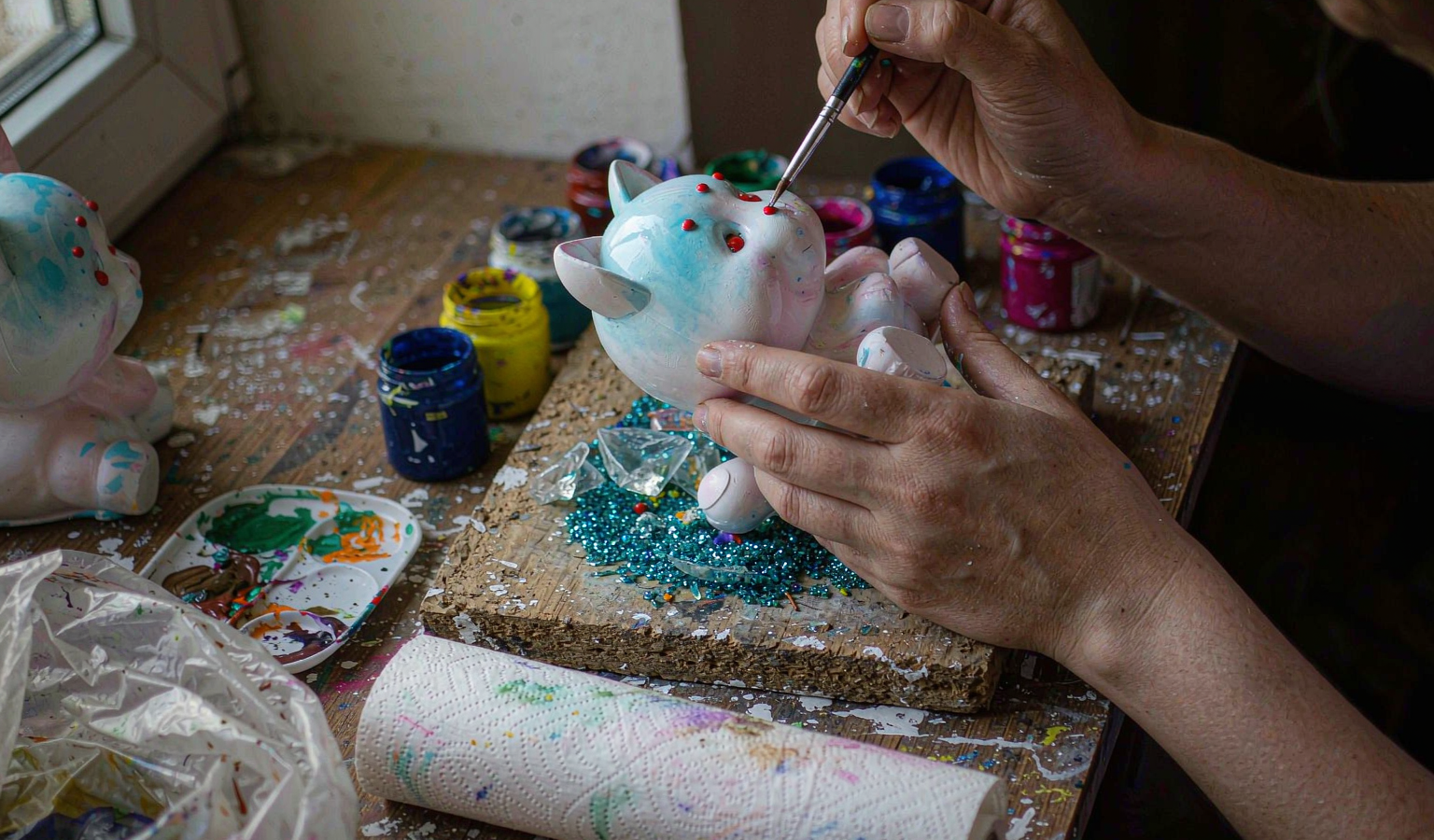
- Hand Painting: Suitable for figurines with detailed patterns, facial features, or multiple colors.
- Spray Painting: Commonly used for achieving consistent base colors and smooth surface coverage.
- Metallic Finishing: Used to create gold, silver, bronze, or other metallic decorative effects.
- Antique Finishing: Creates an aged or vintage appearance, often used for traditional and rustic-style decorations.
- Glossy and Matte Finishing: Provides different surface appearances depending on the product’s intended design.
Buyers should confirm the expected colors, surface texture, and finishing requirements before mass production.
For products involving multiple colors or hand-painted details, it is particularly important to approve a reference sample. Clear reference images and finishing specifications can help manufacturers understand the expected result.
5. Quality Control: Critical Details Buyers Should Not Overlook
Quality control is essential when sourcing resin figurines, especially for products with detailed shapes, painted surfaces, or multiple assembled components.
Even when the initial sample looks satisfactory, mass production may introduce differences in appearance and workmanship.
The following areas deserve particular attention.
5.1 Surface Defects
Check for visible air bubbles, cracks, scratches, uneven surfaces, and noticeable mold lines. These defects can affect both the appearance and perceived quality of the finished product.
5.2 Painting Quality
Inspect whether the paint is evenly applied and whether there are visible stains, missed areas, color bleeding, or uneven coverage.
For products with multiple colors or fine decorative details, compare the finished items with the approved reference sample.
5.3 Structural Stability
Check whether the figurine stands steadily on a flat surface. Products with narrow bases, uneven weight distribution, or protruding components may be more likely to tip over or become damaged during handling.
5.4 Assembly Details
For multi-component figurines, inspect whether the parts are properly connected and whether there are visible gaps, loose components, or alignment issues.
5.5 Color and Finish Consistency
Products within the same production batch should have a consistent appearance. Buyers should check for noticeable differences in color, gloss level, surface texture, or coating coverage.
5.6 Packaging Condition
Inspect whether the product is adequately protected inside its packaging. Decorative figurines with delicate parts or protruding details may require additional protective materials.
For resin figurines, quality checks should go beyond appearance. Comparing finished products with an approved reference sample and checking base stability, assembly details, and surface finishing can help identify potential problems before shipment.
6. Packaging and Shipping Protection
Resin figurines are generally more durable than some fragile decorative materials, but they can still be damaged during transportation, particularly when products have thin, protruding, or delicate parts.
Appropriate packaging is therefore important for protecting products during international shipping.
Common packaging options include:
- Individual Poly Bags: Help protect products from dust and minor surface scratches.
- Bubble Wrap: Provides additional cushioning for individual figurines.
- Foam Inserts: Help secure products and reduce movement inside the box.
- Custom Inner Trays: Provide shaped protection for products with unusual designs or delicate components.
- Outer Cartons: Should have sufficient strength to withstand normal handling and stacking during transportation.
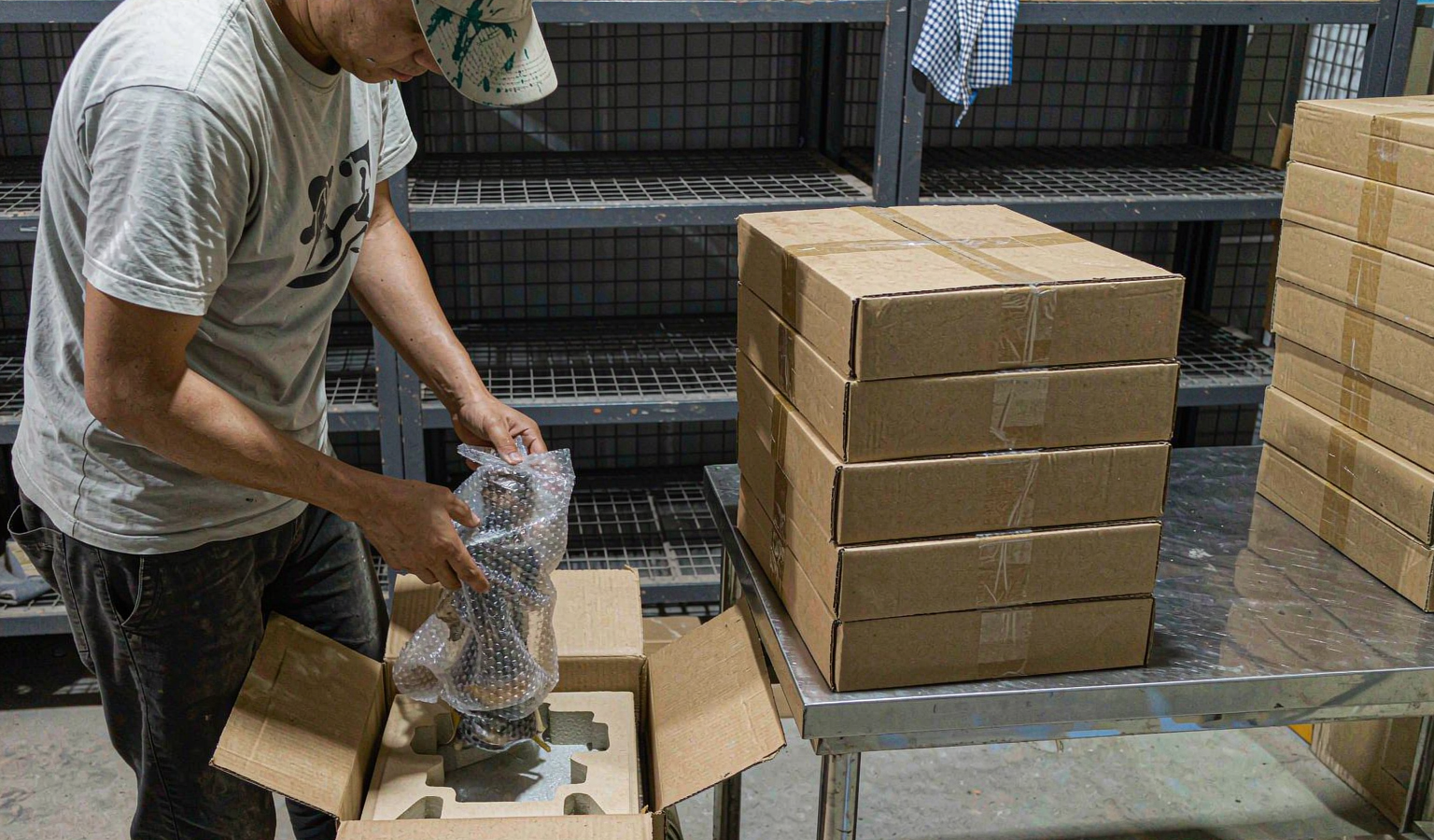
For products with multiple components or delicate decorative details, buyers should evaluate the packaging together with the actual product sample.
It is also advisable to confirm carton dimensions, packing quantities, gross weight, and shipping marks before mass production. These details can affect transportation costs and warehouse handling.
7. What Buyers Should Confirm Before Placing an Order
Before confirming a resin figurine order, buyers should clarify several important details with the manufacturer.
| Item | What to Confirm |
|---|---|
| Product Design | Dimensions, shape, colors, and design details |
| Material | Actual resin type and material specifications |
| Mold Cost | Development fees and mold ownership arrangements |
| Sample | Sample cost, production time, and approval process |
| Surface Finish | Painting method, color, gloss, and texture |
| MOQ | Minimum order quantity for each design |
| Production Time | Sample lead time and mass production schedule |
| Quality Standards | Inspection requirements and acceptable defect levels |
| Packaging | Individual protection, inner packaging, and carton specifications |
| Shipping | Carton quantity, dimensions, weight, and shipping arrangements |
These details should be confirmed before production to reduce misunderstandings and help buyers compare supplier quotations more accurately.
Conclusion
Sourcing resin home decor figurines from China involves several important considerations, from material selection and mold development to painting, quality control, and packaging.
For buyers developing customized designs or managing multiple product styles, clear specifications and effective supplier coordination can make the purchasing process more manageable.
Working with a local sourcing partner can also help simplify supplier communication and production management. JACKHOO SOURCING supports buyers with supplier coordination and product sourcing throughout the purchasing process.
Contact JACKHOO SOURCING →