Sourcing Home Decor Collections from China: Coordinating Different Materials and Designs
Learn how to coordinate materials, designs, suppliers, production schedules, and quality standards when developing a complete home decor collection in China.
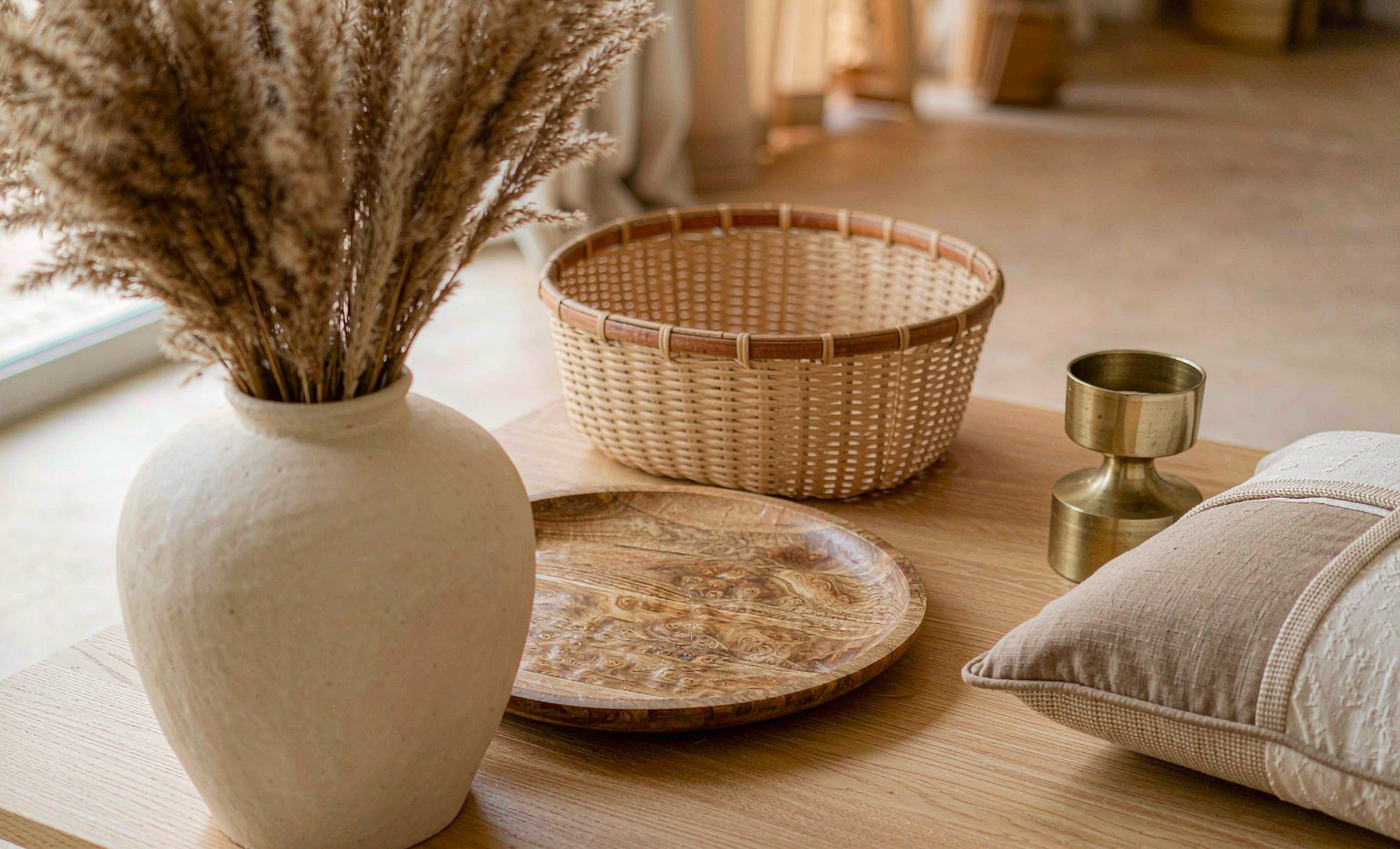
China is one of the world’s major manufacturing destinations for home decor products. From ceramic vases and wooden ornaments to metal candle holders, glass decorations, woven baskets, and textile accessories, international buyers can source a wide range of products from China’s manufacturing network.
For home decor brands, retailers, and importers, sourcing a complete collection often involves more than purchasing individual products. Different materials, factories, manufacturing processes, and finishing standards must work together.
The challenge is to make different products work together as one cohesive collection while maintaining reasonable costs, quality standards, and delivery schedules.
1. Define the Collection Before Searching for Suppliers
Before contacting home decor manufacturers in China, buyers should establish a clear concept for the entire collection.
Without a defined direction, it is easy to select individual products that look attractive but do not work well together.
Target Market
Understand the preferences and purchasing habits of your intended customers.
Design Direction
Choose minimalist, modern, rustic, Scandinavian, or natural aesthetics.
Material Preferences
Determine which materials will define the collection and complement each other.
Price Positioning
Establish the expected retail price and target sourcing cost before development.
For example, a natural home decor collection might include:
| Product | Main Material | Design Direction |
|---|---|---|
| Decorative vase | Ceramic | Neutral colors, matte finish |
| Serving tray | Wood | Natural grain, simple shape |
| Candle holder | Metal | Brushed or antique finish |
| Storage basket | Rattan | Natural texture, handmade appearance |
| Cushion cover | Cotton or linen | Earthy tones, simple patterns |
Prepare a mood board containing reference images, color samples, material preferences, and product dimensions. This gives suppliers a clearer understanding of the collection and reduces unnecessary revisions during sampling.
2. Choose Materials That Work Together
Material selection is one of the most important considerations when sourcing home decor collections from China. Different materials have different manufacturing characteristics, costs, durability, and visual effects.
| Material | Typical Products | Key Considerations |
|---|---|---|
| Wood | Trays, frames, ornaments | Moisture content, grain, surface treatment |
| Ceramic | Vases, planters, figures | Glazing, cracks, firing consistency |
| Metal | Candle holders, sculptures | Rust resistance, coating, welding |
| Glass | Vases, decorative accessories | Transparency, thickness, bubbles |
| Rattan & Bamboo | Baskets, lampshades | Weaving quality, moisture, shape |
| Textiles | Cushion covers, table runners | Fabric composition, colorfastness, stitching |
| Stone & Resin | Decorative objects, sculptures | Weight, surface finish, color consistency |
Consider Material Compatibility
A common mistake is choosing materials based only on individual product appearance. A collection combining natural wood, ceramic, and metal may look visually balanced in product photographs, but differences in color temperature, surface texture, and finishing can make the products appear disconnected when displayed together.
Color Compatibility
Natural wood, cream-colored ceramics, and gold-toned metal should have complementary undertones.
Surface Finishes
Matte ceramic, polished metal, and textured wood can work together when they follow a deliberate design direction.
Material Quality
Similar-looking materials may differ significantly in durability, weight, and manufacturing consistency.
Practical Functionality
Consider intended use, storage conditions, and shipping requirements.
The objective is not to use the same material throughout the collection. It is to select materials that complement each other visually and functionally.
3. Maintain Design Consistency Across Different Products
A successful home decor collection should have a recognizable design language. Even when products come from different manufacturers, buyers can create consistency through shared design elements.
Color System
Establish clear color references rather than relying on general descriptions such as beige, ivory, or natural brown. Use physical samples or standardized color references when accuracy matters.
Shapes and Proportions
Similar geometric elements, curves, edges, and proportions can connect products made from different materials.
Surface Treatments
Decide whether the collection should feature matte, glossy, brushed, distressed, or natural finishes.
Decorative Details
Patterns, handles, engraved elements, and borders should be reviewed as part of the complete collection.
A collection might include ceramic vases with organic shapes, wooden trays with rounded edges, brushed metal candle holders, and woven baskets in natural colors. Their shared neutral palette, simple shapes, and natural textures create a unified appearance despite the different materials.
4. Find the Right Home Decor Suppliers in China
Not every factory is suitable for every product category. Some manufacturers specialize in ceramics, while others focus on wood products, metal accessories, glassware, or textile manufacturing.
When developing a multi-category collection, buyers generally have two options.
Option A: Specialized Manufacturers
Advantages
- Specialized production capabilities.
- More flexibility in material and design selection.
- Direct communication with manufacturers.
- Greater control over product requirements.
Challenges
- Different communication processes.
- Varying MOQ requirements.
- Different production schedules.
- More complicated quality and shipping coordination.
Option B: Centralized Sourcing Partner
Typical Support
- Identifying and evaluating suppliers.
- Comparing quotations and MOQ.
- Coordinating product samples.
- Following up on production.
- Arranging inspections.
- Coordinating shipment consolidation.
What Should Buyers Evaluate?
| Evaluation Area | What to Check |
|---|---|
| Product specialization | Experience with the specific material and product category |
| Manufacturing capability | Equipment, production processes, and customization options |
| MOQ | Minimum quantities for standard and customized products |
| Quality management | Inspection procedures and production standards |
| Communication | Response speed and understanding of specifications |
| Production capacity | Ability to meet required quantities and deadlines |
A supplier should be evaluated based on its actual manufacturing capabilities, not simply its catalogue or quotation price.
5. Control MOQ, Sampling Costs, and Sourcing Budgets
Different products often have different MOQ requirements and cost structures. A ceramic factory may have different minimum order quantities from a metal accessories manufacturer. Customized products may also require additional tooling, molds, or setup costs.
| Cost Item | What to Consider |
|---|---|
| Unit price | Material, labor, manufacturing, and finishing |
| MOQ | Minimum order quantity for each product |
| Sample cost | Sample production, customization, and courier fees |
| Tooling cost | Molds, dies, or special production equipment |
| Packaging | Individual packaging and master cartons |
| Inspection | Product testing and quality inspection |
| Shipping | Freight, handling, and consolidation costs |
How to Manage Costs More Effectively
- Prioritize core products: Start with products that define the collection and have the strongest commercial potential.
- Use existing designs where possible: Standard product designs may reduce development costs and production lead times.
- Review customization requirements: Not every product needs a completely new mold or specialized manufacturing process.
- Compare suppliers carefully: A lower unit price does not necessarily mean a lower total purchasing cost.
- Evaluate the complete order: Consider product costs, packaging, transportation, and coordination expenses together.
For new collections, it may be more practical to launch a smaller selection first and expand the range after evaluating market demand.
6. Approve Samples Before Starting Bulk Production
Sample approval is essential when sourcing multiple home decor products from China. Product photographs and catalogue specifications cannot always reflect the actual appearance, texture, dimensions, and finishing quality.
Buyers should request samples from relevant suppliers and evaluate them against the original design requirements.

| Inspection Item | What to Review |
|---|---|
| Dimensions | Height, width, thickness, and weight |
| Materials | Material type and specifications |
| Color | Consistency with approved references |
| Surface finish | Texture, coating, glazing, and polishing |
| Workmanship | Edges, joints, stitching, and assembly |
| Functionality | Stability, usability, and structural strength |
| Packaging | Protection and presentation |
Review Samples as One Collection
Instead of approving each product separately, arrange all samples together and review their overall appearance.
- Do the colors complement each other?
- Are the product proportions visually balanced?
- Do the different materials work well together?
- Are the finishes consistent with the collection concept?
- Does the complete range match the intended market positioning?
If changes are necessary, communicate them before approving bulk production. Keep approved samples, product specifications, and reference photographs as standards for subsequent production inspections.
7. Coordinate Production Across Multiple Factories
Once samples are approved, buyers need to manage production across different suppliers. This can be challenging because different materials require different manufacturing processes and production schedules.
Ceramic Products
Molding, drying, glazing, and firing.
Wooden Products
Cutting, sanding, painting, and finishing.
Metal Accessories
Cutting, welding, polishing, and coating.
Textile Products
Fabric preparation, cutting, stitching, and finishing.
Create a Centralized Production Schedule
A shared production plan should include supplier and product details, approved sample dates, material confirmation, production start dates, estimated completion dates, inspection arrangements, packaging deadlines, and shipment consolidation dates.
Manage Changes During Production
Design or material changes after production begins can create additional costs and delays. Before confirming bulk orders, buyers should finalize important specifications.
If a change becomes necessary, evaluate its impact on product cost, production time, existing materials, other products in the collection, and final quality.
8. Arrange Quality Inspection and Export Packaging
Quality control should cover both individual product requirements and the consistency of the complete collection. A product may pass its own inspection but still fail to meet the collection’s overall standards.
Product-Level Quality Inspection
- Material specifications.
- Dimensions and weight.
- Surface defects and workmanship.
- Color and finishing.
- Structural stability.
- Assembly and functionality.
- Packaging condition.
Collection-Level Consistency Checks
- Color consistency against approved samples.
- Similarity of finishes across different products.
- Product labeling and packaging presentation.
- Consistent product information and carton markings.
- Overall visual compatibility.
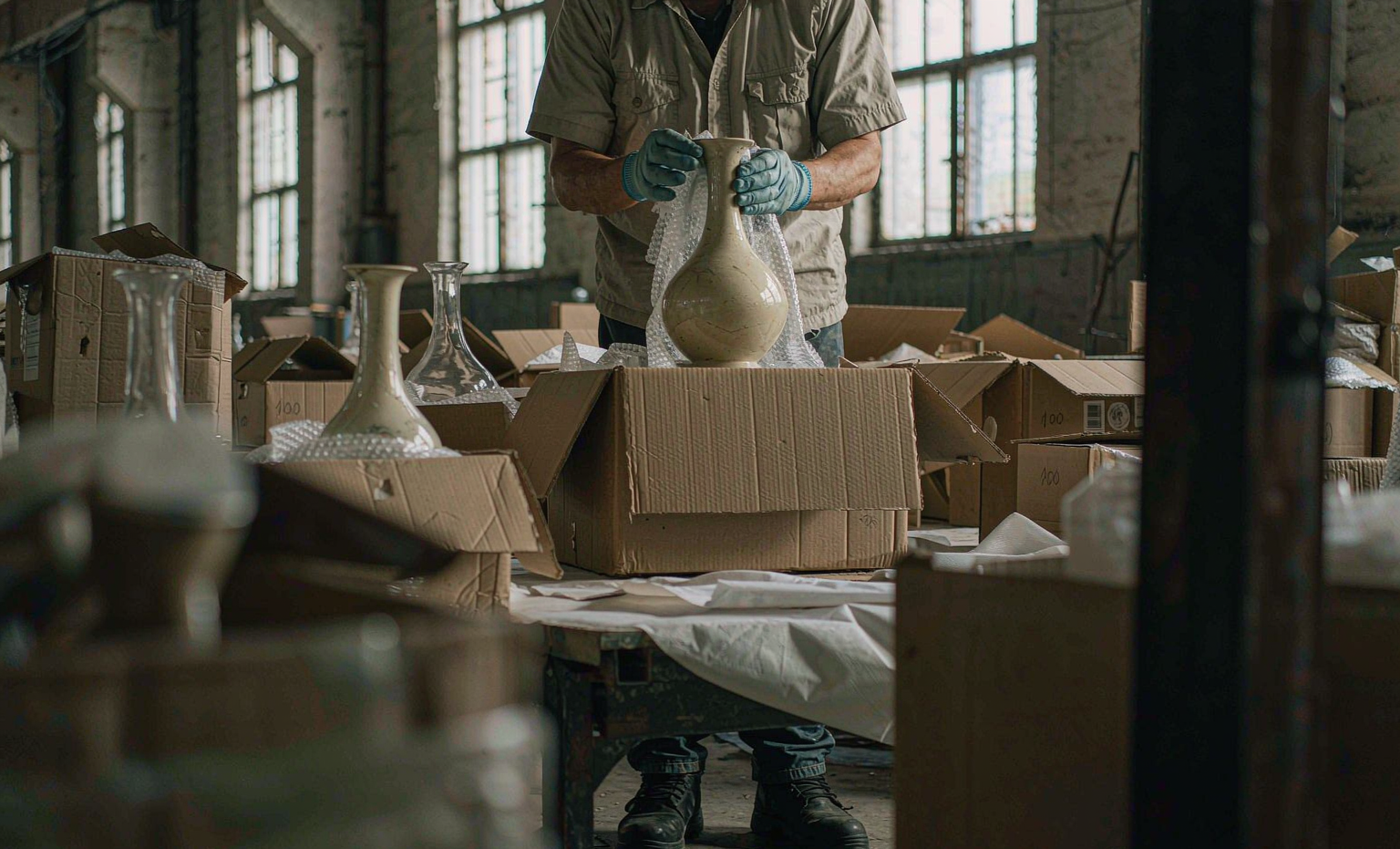
Ceramic and glass home decor products require suitable protective packaging. Depending on the product and shipping method, buyers may need to evaluate protective inner packaging, individual product separation, cushioning materials, carton strength, drop-test performance, and moisture protection where necessary.
Packaging should be tested against realistic transportation conditions rather than judged only by appearance.
For products involving electrical components, coatings, or materials subject to destination-market regulations, buyers should also confirm the applicable safety and compliance requirements before placing bulk orders.
9. Common Mistakes When Sourcing Home Decor Collections
01. Selecting Products Without a Unified Design Concept
A collection made up of individually attractive products may still lack a recognizable identity. Establish the overall direction before selecting suppliers.
02. Choosing Suppliers Based Only on Unit Price
Low quotations may involve compromises in material quality, finishing, packaging, or production capabilities. Evaluate the total purchasing cost.
03. Ignoring Differences Between Manufacturing Processes
Different materials require different production methods and timelines. Buyers should plan accordingly.
04. Starting Bulk Production Before Approving Key Samples
Unapproved colors, dimensions, or finishes can create expensive inconsistencies across the collection.
05. Managing Suppliers Without a Centralized Plan
Without shared specifications, production schedules, and quality standards, coordinating multiple factories becomes increasingly difficult.
Conclusion
Sourcing home decor collections from China requires a coordinated approach to product selection, material compatibility, design consistency, supplier management, and quality control.
The biggest challenge is not finding individual manufacturers. It is making sure that products from different factories work together as one complete collection.
A clear design concept, carefully selected materials, approved samples, realistic production schedules, and consistent inspection standards can help buyers reduce sourcing risks and develop more competitive home decor ranges.
For businesses managing multiple product categories and suppliers in China, JACKHOO can assist with supplier coordination, product sourcing, production follow-up, and quality inspection.
Planning a New Home Decor Collection?
From supplier coordination to production follow-up, get support for sourcing different home decor products from China.
Contact JACKHOO