How Startups Can Use Sourcing Help to Develop New Products
Turning a product idea into a market-ready product takes more than finding a factory. Discover how the right sourcing support can help startups navigate product development, supplier selection, and manufacturing.
Launching a new product is an exciting opportunity for startups, but turning an idea into a market-ready product is rarely straightforward. From finding reliable manufacturers to developing prototypes and controlling production costs, startups often face challenges that larger businesses are better equipped to handle.
This is where professional sourcing help can make a difference. With the right sourcing support, startups can access manufacturing resources, evaluate suppliers, develop product samples, and prepare for mass production without building an entire procurement team from scratch.
Turning Product Ideas into Manufacturable Designs
Many startups begin with a product concept, reference images, or a basic design. However, an idea that looks good on paper may not be practical or cost-effective to manufacture.

Before contacting factories, startups need to clarify several details:
- Product dimensions, materials, and functionality
- Design requirements and customization options
- Target selling price and estimated production cost
- Packaging and branding requirements
- Expected order quantity
Sourcing support can help translate these initial ideas into clearer manufacturing requirements.
For example, a startup developing a customized home organization product may want a specific shape and material combination. A sourcing partner can help identify suitable manufacturing processes and determine whether the design needs adjustment before production.
Finding the Right Manufacturers
Finding a factory is relatively easy. Finding one that can meet your product requirements, quality expectations, and budget is much harder.
Startups often lack established manufacturing networks, making it difficult to distinguish between genuine manufacturers, trading companies, and suppliers with limited production capabilities.
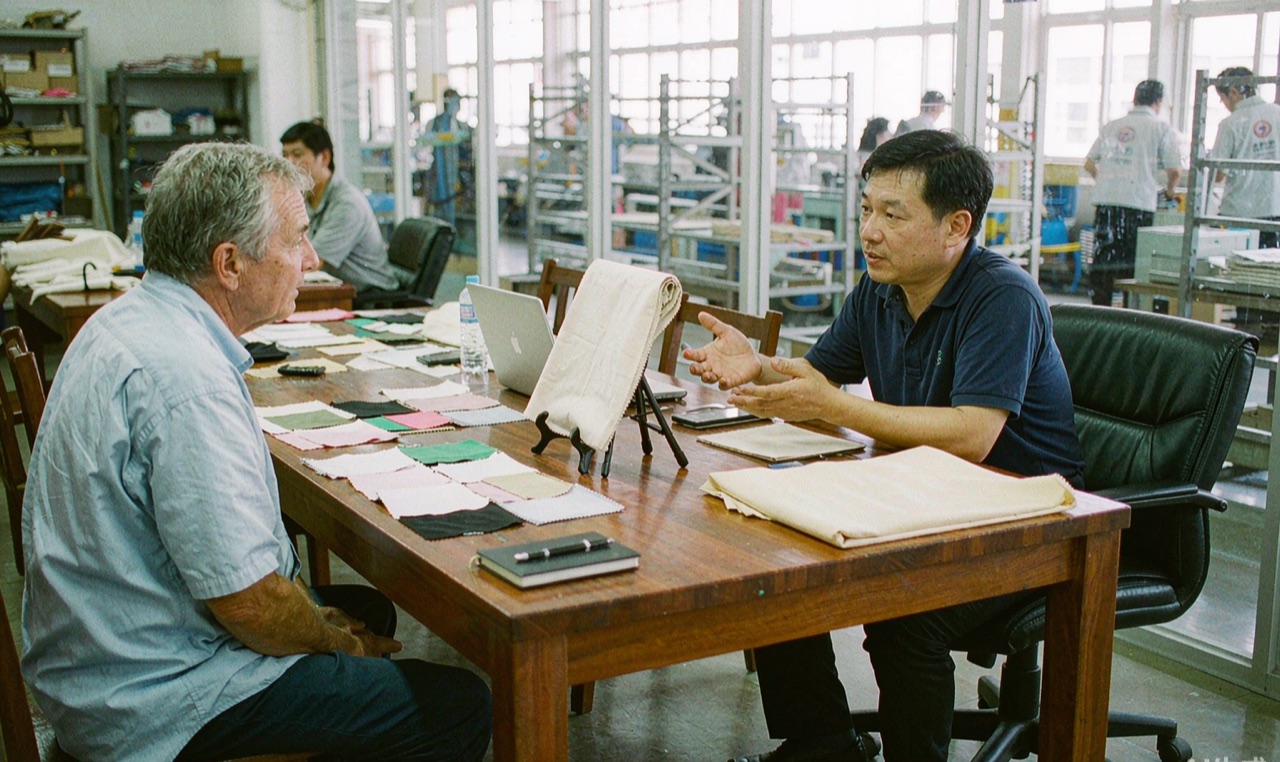
Sourcing help can simplify supplier selection by assisting with:
- Identifying manufacturers with relevant product experience
- Comparing supplier quotations and production capabilities
- Evaluating customization and development capabilities
- Checking minimum order quantities (MOQs)
- Reviewing factory qualifications and production facilities
Instead of choosing a supplier based only on the lowest quotation, startups should consider production experience, communication, quality consistency, and flexibility.
An experienced sourcing partner can help verify supplier backgrounds, assess actual manufacturing capabilities, and compare different sourcing options before a decision is made.
The right manufacturer should be able to support both the initial product development stage and potential future order growth.
Developing Samples Before Mass Production
One of the biggest mistakes startups can make is moving into mass production before properly testing their product.
A product sample allows businesses to evaluate its appearance, materials, functionality, and overall quality before committing to a larger order.
A typical sample development process includes:
- Initial requirements: Share product specifications, drawings, and reference images.
- Sample quotation: Confirm development costs, materials, and estimated lead times.
- Prototype production: Ask the manufacturer to produce an initial sample.
- Testing and feedback: Check functionality, dimensions, materials, and appearance.
- Sample revision: Request necessary adjustments before approving the final version.
Sourcing support can help coordinate communication between startups and manufacturers throughout this process.
For customized products, several rounds of sampling may be necessary to achieve the expected result. Although sample development may increase initial costs, it can reduce the risk of expensive production mistakes later.
Controlling Development Costs and MOQs
Budget limitations are a common challenge for startups. Unlike established brands, new businesses may not have sufficient capital to place large orders, invest in expensive tooling, or maintain substantial inventory.
Several costs should be considered during product development:
| Cost Category | What to Consider |
|---|---|
| Product samples | Prototype fees and sample revisions |
| Mold development | Custom tooling and mold investment |
| Manufacturing | Unit price and production quantity |
| Packaging | Custom boxes, labels, and printing |
| Quality control | Inspection and testing expenses |
| Logistics | Shipping, customs, and delivery costs |
Startups should also pay attention to minimum order quantities (MOQs). Some manufacturers require relatively large orders, while others may accept smaller initial quantities depending on the product and production process.
A sourcing partner can help compare different suppliers, explore alternative materials, and identify more flexible production arrangements.
Startups should also avoid evaluating suppliers based on unit price alone. A lower quotation may involve different material specifications, packaging standards, or production conditions. Comparing quotations based on consistent product requirements is essential for understanding the actual cost.
Managing Product Quality Before Scaling
A successful sample does not automatically guarantee consistent mass production.
Differences in materials, production equipment, manufacturing processes, and worker operations can affect the final product.
For startups, quality problems can be particularly costly because defective products may lead to customer complaints, negative reviews, and damage to brand reputation, especially when selling through competitive online marketplaces.
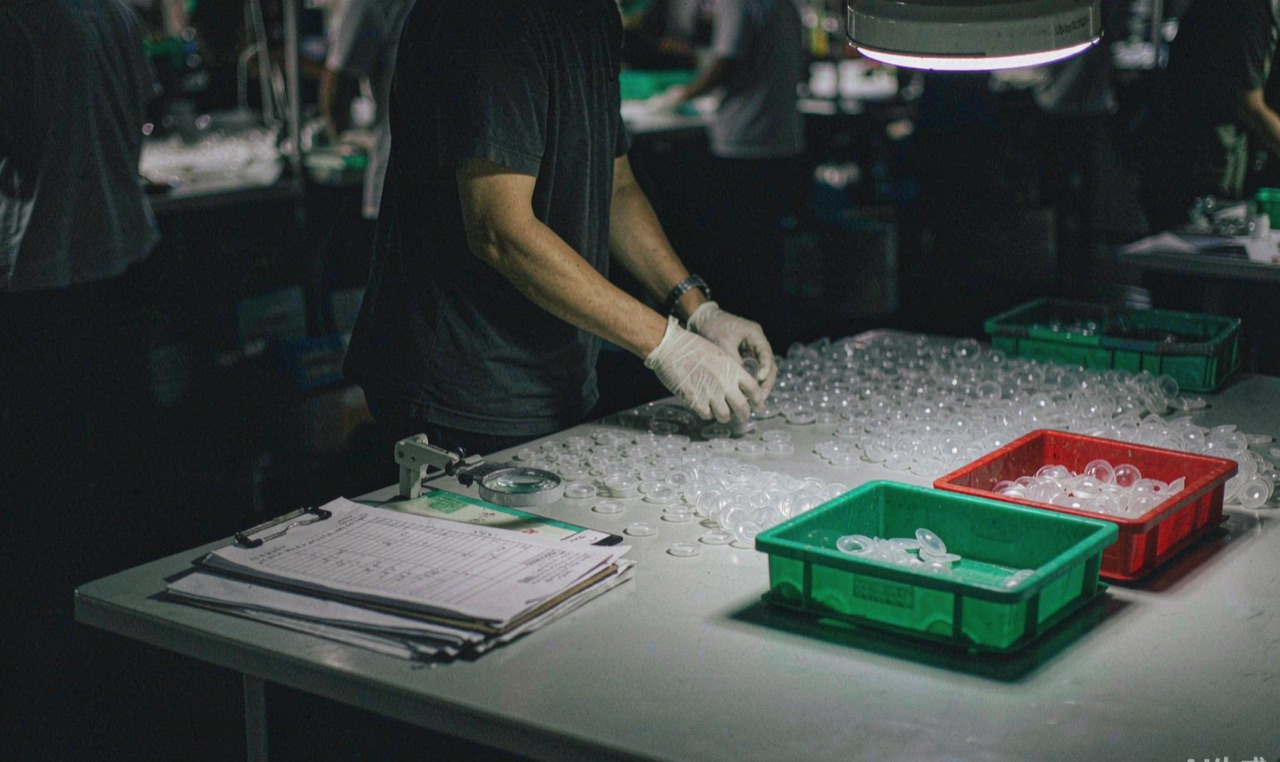
A practical quality management process should include:
- Confirming approved product specifications
- Checking raw materials before production
- Monitoring key production stages
- Conducting pre-shipment inspections (PSI)
- Verifying packaging and labeling requirements
Depending on the product category and destination market, startups may also need to consider relevant safety standards, certification requirements, and laboratory testing.
Establishing clear quality requirements before production helps reduce misunderstandings and makes it easier to maintain consistency as order quantities increase.
Preparing for Future Production Growth
Product development should not stop once the first batch is completed.
If a product performs well in the market, startups may need to increase order quantities, introduce new variations, or develop complementary products.
This makes it important to choose manufacturing partners who can support long-term growth.
Before committing to a supplier, startups should consider:
- Whether the factory can increase production capacity
- Whether product specifications can remain consistent
- Whether additional customization is possible
- Whether pricing can improve as order quantities increase
A sourcing process that considers future scalability can help startups avoid repeatedly changing manufacturers as their businesses grow.
Building a reliable supplier relationship from the beginning can also make future product improvements and new product launches easier to manage.
When Should Startups Consider Sourcing Help?
Not every startup needs external sourcing support from the beginning. However, it becomes particularly valuable when a business faces challenges that exceed its internal resources.
Consider working with a sourcing partner when:
- You have a product idea but do not know which factories can manufacture it.
- You need customized products or private-label development.
- You are struggling to compare supplier quotations.
- You need help coordinating samples and product revisions.
- You want to control production quality before placing larger orders.
- You lack the time or experience to manage multiple manufacturers.
For startups developing products in China, a sourcing partner can help bridge the gap between product ideas and manufacturing execution.
From Product Ideas to Market-Ready Products
Developing a new product involves much more than finding a factory and placing an order. Startups need to evaluate manufacturers, test product samples, manage development costs, and establish quality requirements before moving into mass production.
With the right sourcing help, startups can make better manufacturing decisions, reduce unnecessary development risks, and build a more reliable foundation for future growth.
A well-managed sourcing process does not just help startups manufacture products. It helps turn promising ideas into products that are ready for the market.
Developing a New Product?
Turning your product idea into a market-ready product takes the right manufacturing partners and careful planning. JACKHOO SOURCING can help you navigate supplier selection, product sampling, and quality control in China.
Contact JACKHOO SOURCING