Payment Risks When Sourcing from China: What International Buyers Should Watch For
Understand the payment risks behind supplier deposits, balance payments, bank account changes, and unexpected charges before committing your business funds.
When sourcing products from China, buyers often spend considerable time comparing suppliers, negotiating prices, reviewing samples, and checking production capabilities. However, payment arrangements deserve just as much attention.
A supplier may offer an attractive quotation, but unclear payment terms, poorly defined production milestones, or unverified bank details can create unnecessary financial risks.
For international buyers, the challenge is not simply deciding how much to pay upfront. It is understanding when payments should be made, what each payment is tied to, and how to protect business funds throughout the purchasing process.
Here are several important payment risks buyers should consider when working with Chinese suppliers.
1. Paying a Large Deposit Without Clear Order Details
Many Chinese manufacturers require an initial deposit before production begins. This is a common arrangement, particularly for customized products or orders involving raw material purchases.
However, problems can arise when buyers transfer money before confirming the important details of an order.
For example, a buyer may pay a deposit based on a preliminary quotation without having finalized:
- Product specifications and materials
- Order quantity and unit price
- Packaging requirements
- Production lead time
- Delivery arrangements
- Responsibilities for defective products
If these details are not confirmed, disagreements may occur after production starts.
Before making a deposit, request a detailed Proforma Invoice (PI) or purchase agreement. Make sure the document reflects the final product specifications, quantities, prices, and payment conditions.
For customized products, the approved sample, drawings, or product specifications should also be clearly referenced in the order documentation.
2. Unclear Balance Payment Conditions
Another common issue involves the timing of the remaining payment.
A typical arrangement may require a deposit before production and the balance before shipment. Although this structure is widely used, buyers should not assume that every supplier follows the same conditions.
The more important question is: What must the supplier complete before requesting the balance?
For example, if the balance becomes payable simply because production has finished, buyers may have limited leverage when product quality does not meet the agreed requirements.
A more clearly defined arrangement should explain:
- Whether production must be completed before the balance is requested
- Whether a pre-shipment inspection is required
- How quality issues will be handled
- Whether shipment documents or loading confirmation are needed
- What happens if the inspection identifies defects
Define the balance payment conditions before placing the order. If product inspection is part of the agreement, specify when it will take place and how inspection results affect the payment process.
For larger or customized orders, buyers should consider using an independent inspection company before approving shipment.
3. Transferring Money Without Verifying Supplier Bank Details
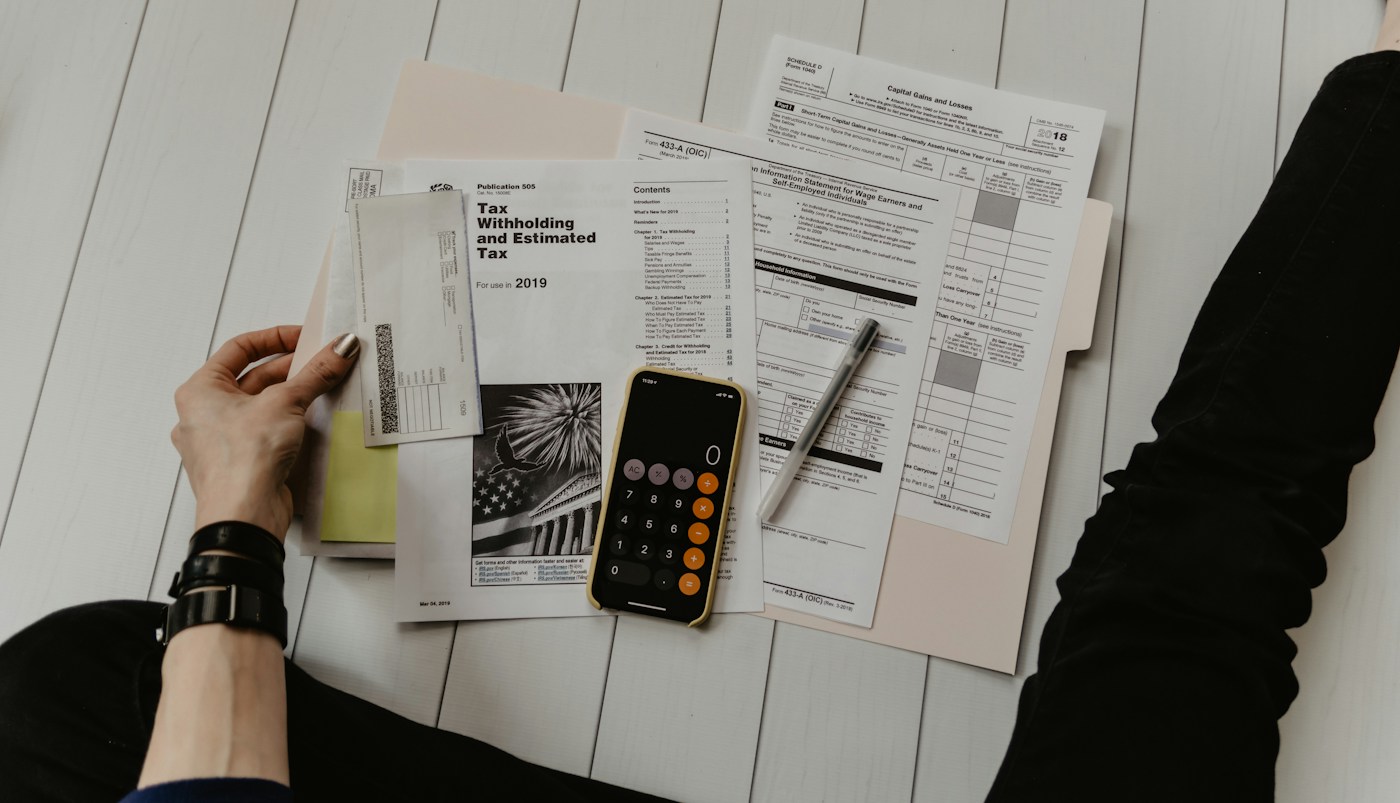
Payment fraud is a serious risk in international trade.
One situation buyers should watch for is receiving an unexpected message stating that a supplier has changed its bank account.
For example, a buyer may have worked with a supplier for several months and regularly transferred payments to the same account. Shortly before the next payment, an email arrives requesting a transfer to a different account.
The message may appear professional and use familiar company details. However, the change could involve an unauthorized third party.
Email compromise and impersonation can make fraudulent payment instructions difficult to identify.
- Verify any bank account changes through a separate communication channel.
- Contact a previously confirmed supplier representative using an existing phone number.
- Check that the beneficiary name matches the contracting company or an officially documented payment arrangement.
- Be cautious of urgent requests to transfer funds to unfamiliar personal accounts.
- Keep written records of confirmed payment instructions.
Never rely solely on an email requesting a change of bank details, even if the message appears to come from a familiar supplier.
4. Unexpected Additional Payment Requests
During production, suppliers may sometimes request additional payments.
Some requests may have legitimate reasons, such as changes in product specifications, additional packaging requirements, or increases in material costs.
However, buyers should be cautious when suppliers request extra money without providing a clear explanation.
Common situations include:
- Unexpected mold or tooling charges
- Additional fees for packaging changes
- Requests for higher material costs after order confirmation
- Additional shipping or handling charges
- Charges for product modifications that were not discussed earlier
The problem is not necessarily the additional cost itself. It is whether the cost was agreed upon and properly documented.
Ask suppliers to explain the reason for every additional charge. Request an updated quotation or written cost breakdown before approving the payment.
For customized products, confirm in advance which development costs, mold fees, and modification charges are included in the original quotation.
5. Choosing Suppliers Based Only on Payment Terms
Some buyers compare suppliers primarily by unit price and payment conditions.
For example, Supplier A requests a 30% deposit and 70% balance before shipment, while Supplier B offers a lower price but requires a larger upfront payment.
At first glance, Supplier B may appear more attractive. However, payment conditions should never be evaluated separately from supplier reliability.
A supplier with limited production experience, poor communication, or insufficient quality management may create greater financial exposure even if its quotation is lower.
When comparing suppliers, buyers should also consider:
- Manufacturing capabilities
- Previous export experience
- Communication efficiency
- Production management
- Quality control procedures
- Business identity and payment account consistency
Evaluate the supplier as a whole rather than focusing only on the quoted price or deposit percentage. A slightly higher quotation may be more reasonable if the supplier provides clearer documentation, more reliable production management, and better communication.
6. Failing to Match Payments with Production Progress
For larger orders, customized products, or projects involving multiple suppliers, payment management becomes more complicated.
If payments are not properly connected to production progress, buyers may lose visibility over how their funds are being used.
For example, a buyer may pay deposits to several manufacturers at the same time. However, one supplier may still be preparing materials while another has already completed production.
Without a clear tracking process, it becomes difficult to understand which orders are progressing as expected and which require attention.
Create a payment tracking record for every purchase order.
| Payment Information | What to Record |
|---|---|
| Supplier details | Company name and confirmed beneficiary |
| Order information | Product, quantity and PO number |
| Deposit | Amount and payment date |
| Balance | Remaining amount and payment conditions |
| Production status | Current manufacturing stage |
| Inspection status | Inspection date and result |
| Shipment status | Planned and actual shipping dates |
This simple record helps buyers monitor outstanding payments and identify potential delays before they become larger problems.
7. Ignoring Currency, Bank Fees and Payment Documentation
International payments involve more than the amount shown on a supplier’s quotation.
Exchange rate fluctuations, intermediary bank charges, and transfer fees can affect the final amount received by the supplier.
For example, if a quotation is issued in USD but the buyer’s funds are held in another currency, the actual payment cost may change depending on the exchange rate at the time of transfer.
Bank fees may also create discrepancies between the amount sent and the amount received.
Before transferring funds, confirm:
- The agreed payment currency
- Which party is responsible for bank charges
- Whether intermediary bank fees may apply
- The exact beneficiary account information
- Whether the supplier will issue a payment receipt or acknowledgment
Keep bank transfer confirmations, invoices, purchase orders, and payment records together. These documents are important for accounting, reconciliation, and resolving potential disputes.
8. How Better Sourcing Coordination Helps Manage Payment Risks

Payment management is closely connected to supplier communication, order documentation, production tracking, and quality control.
When buyers work with multiple manufacturers or manage customized orders, these activities can become difficult to coordinate internally.
A sourcing partner can help buyers communicate with suppliers, confirm order details, track production progress, and organize relevant purchasing documentation.
For example, JACKHOO SOURCING supports international buyers with supplier coordination and order follow-up in China. Having a clearer overview of supplier communication and order progress can help buyers make more informed purchasing decisions.
However, buyers should remember that sourcing assistance does not replace independent financial verification. Bank account checks, payment approvals, and contractual responsibilities should remain clearly defined.
9. A Payment Checklist Before Transferring Money
Before making any payment to a Chinese supplier, buyers can use the following checklist to review the transaction.
Payment Review Checklist
- Supplier identity: Is the contracting company properly identified?
- Bank details: Have beneficiary details been independently verified?
- Proforma Invoice: Are product details, quantities and prices correct?
- Deposit: Is the deposit amount and purpose clearly documented?
- Balance payment: Are the payment conditions clearly defined?
- Production: Is the production schedule confirmed?
- Inspection: Are quality inspection requirements agreed upon?
- Additional charges: Have all extra costs been approved in writing?
- Payment records: Are transfer confirmations and receipts retained?
Taking a few minutes to review these points can help prevent avoidable payment disputes and reduce uncertainty throughout the purchasing process.
Conclusion
Managing payments when sourcing from China requires more than following a supplier’s payment instructions. Buyers need to understand the conditions behind each payment, verify supplier information, document additional costs, and connect payment arrangements with actual order progress.
A clear payment process helps businesses maintain better control over purchasing activities, especially when working with multiple suppliers or placing customized orders.
The goal is not simply to pay suppliers on time. It is to make sure every payment is properly documented, justified, and aligned with the agreed purchasing arrangements.
For international buyers, careful payment management is an important part of building more reliable and sustainable supplier relationships.
Looking for Reliable Sourcing Support in China?
From supplier communication and order coordination to production follow-up, JACKHOO SOURCING helps international buyers manage their purchasing process with greater clarity.
Get a Free Sourcing Quote