Why Product Differentiation Matters for Private Label Brands
Private label brands often compete in crowded markets where many sellers offer similar products at comparable prices.
When products look alike and provide similar features, customers have little reason to choose one brand over another. Price becomes the main deciding factor, making it harder for businesses to maintain healthy profit margins and build customer loyalty.
Product differentiation helps private label brands move beyond price competition. By developing products with distinctive features, better functionality, thoughtful design, or improved user experiences, brands can create a stronger market position.
But differentiation does not always require inventing an entirely new product. Sometimes, small and well-planned improvements can make a meaningful difference.
Reduce Direct Price Competition
When several brands sell nearly identical products, customers often compare them based on price. This creates pressure to lower prices, which can gradually reduce profit margins.
A differentiated product gives customers additional reasons to choose a particular brand. These may include better materials, more practical features, improved durability, or a more attractive design.
For private label businesses, the goal is to offer something customers can recognize as valuable rather than simply selling another version of an existing product.
Build a Recognizable Brand Identity
Product differentiation is also an important part of brand positioning.
Consistent product design, color schemes, materials, packaging, and functional details help customers recognize a brand across different product categories.
For example, a pet accessories brand might focus on ergonomic designs, durable materials, and easy-to-clean products. Over time, these consistent characteristics can become part of its brand identity.
A recognizable product style makes it easier to introduce new products while maintaining a consistent brand image.
Improve Customer Experience
A product does not need to be completely different to deliver a better experience. Small improvements can solve everyday problems that customers frequently encounter.
Examples include:
- Adding an easier-to-use adjustment mechanism.
- Choosing materials that are more durable or easier to clean.
- Improving product size, weight, or ergonomics.
- Simplifying installation or assembly.
- Making packaging more convenient for storage and transportation.
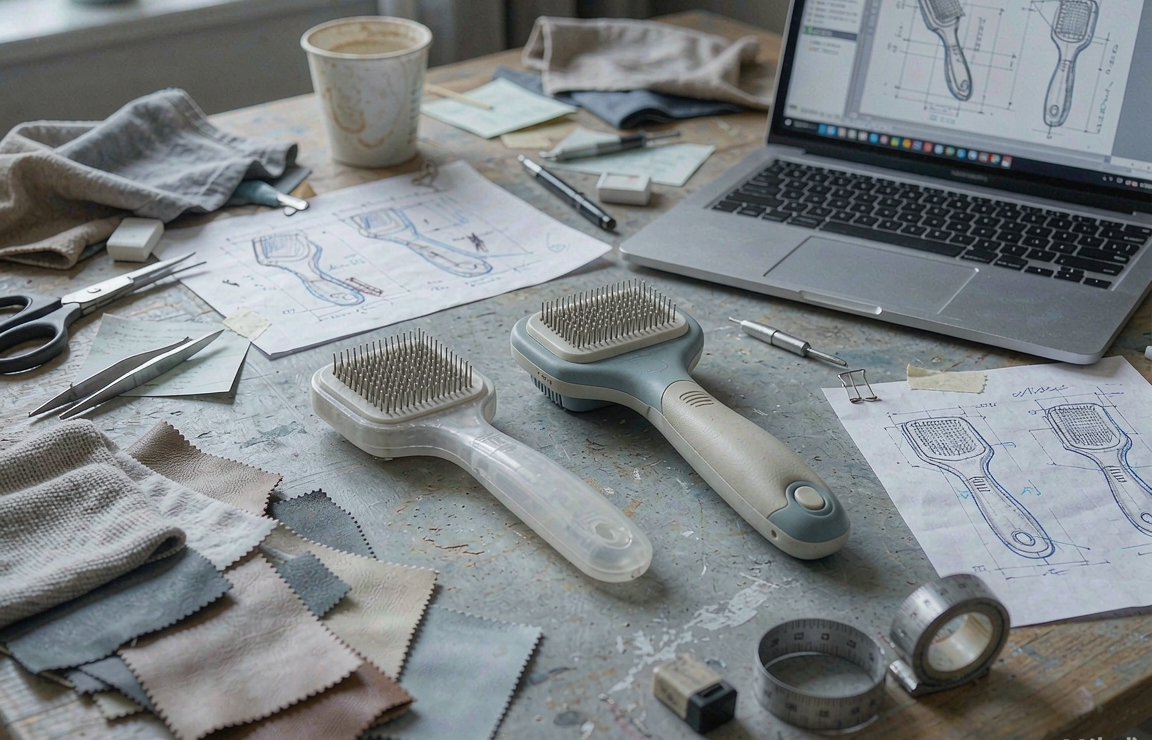
A standard pet grooming brush could be improved with an easier-cleaning mechanism, a more ergonomic handle, or a more durable brush head. These practical changes can help a brand offer a product that stands out without developing an entirely new design.
These improvements may seem minor during product development, but they can have a meaningful impact on customer satisfaction, reviews, and repeat purchases.
JACKHOO SOURCING helps brands explore suitable materials, identify capable manufacturers, and coordinate product adjustments to bring these improvements into production.
Create Opportunities for Higher Profit Margins
Products that compete mainly on price are often difficult to differentiate financially.
However, when a product offers clear additional value, customers may be more willing to pay a higher price.
For example, a standard storage product and a redesigned version with modular features, stronger materials, and better space utilization may target different customer expectations.
The key is ensuring that the added value justifies the additional cost. Private label brands should evaluate both product development costs and the potential selling price before deciding which features to introduce.
Strengthen Customer Loyalty
Customers are more likely to remember products that solve their problems effectively.
When a product consistently meets expectations, customers have more reasons to purchase from the same brand again rather than switching to another seller.
Differentiation can support customer loyalty through:
- Consistent product quality.
- Reliable product functionality.
- Thoughtful design details.
- Useful improvements based on customer feedback.
- Consistent product experiences across a product range.
Over time, these factors help brands build relationships with customers instead of relying entirely on new customer acquisition.
How to Develop Differentiated Private Label Products
Product differentiation should begin with market research rather than random design changes. A practical development process can include the following steps:
Analyze competing products, customer reviews, pricing, materials, and common complaints. Look for problems that existing products have not adequately addressed.
Determine which features can be improved, such as functionality, materials, appearance, durability, or packaging. Focus on improvements that customers actually value rather than adding features simply to make a product look different.
Not every design idea is suitable for mass production. Consider tooling costs, material availability, production complexity, MOQ, and expected selling prices before finalizing the design.
Product ideas need to be commercially viable before moving into production. JACKHOO SOURCING helps brands assess tooling costs, MOQ requirements, factory capabilities, and production feasibility early in the development process, helping reduce unnecessary costs before launch.
Request samples to evaluate product performance, usability, appearance, and overall quality. Testing helps identify design problems before committing to bulk production.
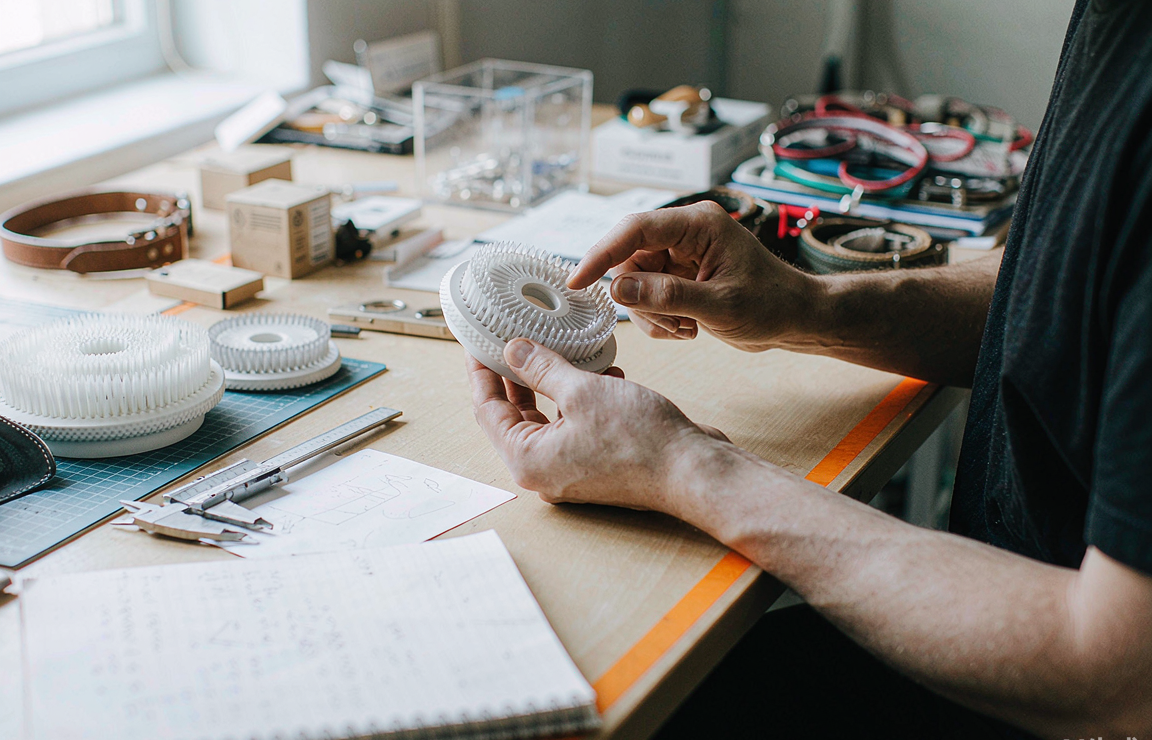
Use sample feedback and test results to make necessary adjustments. Confirm specifications, materials, dimensions, and packaging before approving the final product.
Conclusion
Product differentiation is essential for private label brands that want to compete beyond price.
It helps businesses create recognizable products, improve customer experience, protect profit margins, and build stronger brand loyalty.
Successful differentiation does not always come from complicated innovations. Often, it comes from understanding customer needs and making practical improvements that competitors have overlooked.
For private label businesses, the real opportunity lies in turning market insights into products that customers have a clear reason to choose.
Ready to Develop a More Competitive Private Label Product?
Turn your product ideas into market-ready products with the right manufacturing partners.
JACKHOO SOURCING supports product development, material sourcing, factory matching, sample coordination, and quality inspections.
Contact JACKHOO SOURCING to Discuss Your Next Product Project