How to Identify Products with Strong Market Potential Before Sourcing
Choosing the right product starts long before contacting suppliers. Learn how to evaluate market demand, competition, profit potential, product differentiation, and manufacturing feasibility before making a sourcing decision.
Choosing the right product is one of the most important decisions for any brand, retailer, or e-commerce business. A product may look attractive, have a competitive factory price, or be trending on social media, but none of these factors guarantee commercial success.
Many businesses make the mistake of starting with supplier searches before understanding whether a product has real market demand. This can lead to excess inventory, weak sales, unexpected costs, and products that are difficult to differentiate.
Before contacting factories or requesting quotations, businesses should evaluate a product’s market potential from several perspectives, including customer demand, competition, pricing, differentiation, and manufacturing feasibility.
This guide explains how to assess product opportunities before sourcing and make more informed purchasing decisions.
Start with Real Market Demand
The first step is to determine whether customers actually want the product.
A product with strong market potential should solve a recognizable problem, satisfy an existing need, or offer an improvement that customers are willing to pay for.
Instead of relying entirely on personal opinions or social media trends, look for evidence of purchasing behavior.
Useful ways to evaluate demand include:

- Marketplace research: Examine product sales indicators, customer reviews, rankings, and the number of active sellers on platforms such as Amazon.
- Search trends: Use Google Trends and keyword research tools to understand whether interest in a product is growing, stable, or declining.
- Customer feedback: Read reviews and discussions to identify common complaints, unmet needs, and features customers frequently request.
- Social media activity: Observe whether products are generating genuine engagement and purchase interest rather than temporary attention.
Pay particular attention to repeated customer complaints. If buyers consistently mention the same problem with existing products, there may be an opportunity to develop a better alternative.
The goal is not simply to find products that people are discussing, but to identify products that people have a clear reason to purchase.
Distinguish Long-Term Opportunities from Short-Term Trends
Not every popular product is a good sourcing opportunity.
Some products experience rapid growth because of viral videos, seasonal demand, or temporary consumer interest. While these products may generate quick sales, their popularity can disappear before a business has completed product development and inventory preparation.
To evaluate whether an opportunity is sustainable, consider three factors:
Demand Consistency
Check whether customer interest has remained relatively stable over several months or years. Products with consistent demand may offer more predictable purchasing opportunities than products experiencing a sudden spike.
Seasonality
Determine whether demand is concentrated around specific holidays, weather conditions, or shopping periods. Seasonal products can still be profitable, but purchasing and inventory planning must account for their sales cycles.
Repeat Purchasing Potential
Consider whether customers are likely to purchase the product again, buy related products, or recommend it to others. Products with repeat-purchase potential can provide more opportunities for long-term business growth.
A product does not need to be permanently trending to be successful. Consistent demand and a clear customer need are often more valuable than temporary popularity.
Analyze the Competitive Landscape
Strong demand does not automatically mean a product is worth sourcing.
A market may already contain too many similar products, making it difficult for new sellers to compete on price, visibility, and customer acquisition.
Before moving forward, examine the existing competition.
- How many brands are selling similar products?
- Are the leading products dominated by established brands?
- What price ranges are most common?
- What features do competing products offer?
- What complaints appear repeatedly in customer reviews?
- Are there noticeable gaps in the current product selection?
One particularly useful approach is to study negative customer reviews.
For example, if buyers frequently complain about poor durability, complicated installation, unsuitable sizing, or low-quality materials, these issues may reveal opportunities for product improvement.
Competition should not always be treated as a negative signal. A market with several established sellers can also indicate that customers already understand the product and are willing to purchase it.
The key is to identify whether there is room for a new product to offer meaningful value.
Evaluate Profit Potential Beyond the Factory Price
A low factory quotation does not necessarily translate into a profitable product.
Businesses should estimate the total landed cost before deciding whether to proceed with sourcing.
This includes more than the manufacturing price.

| Cost Category | What to Consider |
|---|---|
| Product Cost | Factory quotation and material costs |
| Customization | Molds, design changes, logos, and packaging |
| Quality Control | Inspection, testing, and compliance expenses |
| Shipping | Freight, insurance, and transportation |
| Import Expenses | Duties, taxes, and customs-related charges |
| Sales Costs | Platform fees, marketing, and fulfillment |
After estimating these costs, compare the expected selling price with the total cost of bringing the product to market.
Also consider potential price fluctuations, advertising expenses, returns, and unexpected quality issues.
A product with a low purchase price but expensive shipping or high return rates may offer less profit than a product with a higher manufacturing cost.
The objective is to evaluate the entire business opportunity rather than focus on the factory quotation alone.
Look for Opportunities to Differentiate the Product
Entering a market with an identical product to dozens of competitors makes it difficult to establish a recognizable brand.
Product differentiation can help businesses create a stronger market position without necessarily developing an entirely new product.
Consider opportunities in the following areas:
- Design: Improve appearance, structure, colors, or product dimensions.
- Materials: Explore more durable, lightweight, sustainable, or suitable materials.
- Functionality: Add practical features that address common customer complaints.
- Packaging: Improve presentation, storage, protection, or the unboxing experience.
- Product Combinations: Develop sets or coordinated collections that offer additional value.
A home organization brand may find that basic storage baskets already have strong market demand. Instead of sourcing another standard design, it could explore coordinated sizes, improved materials, or a collection designed for specific living spaces.
The best differentiation opportunities usually come from understanding what customers want but existing products do not adequately provide.
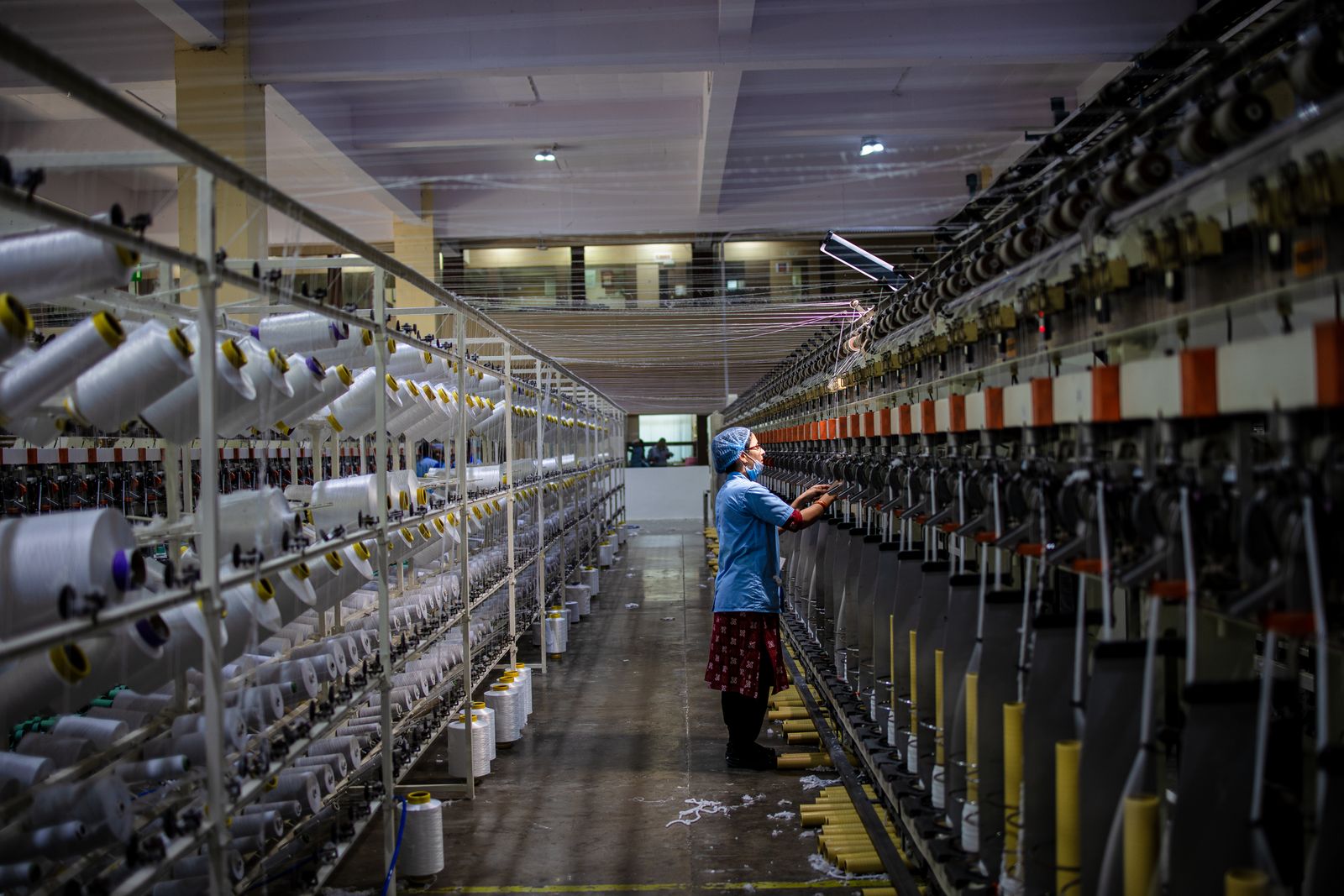
Check Manufacturing Feasibility Before Making a Decision
A product may have attractive market potential but still be difficult or expensive to manufacture.
This is particularly important for products involving multiple materials, customized components, specialized production processes, or strict quality requirements.
Before moving forward, evaluate the following:
Supplier Availability
Are there enough qualified manufacturers capable of producing the product? Relying on only one potential supplier can create unnecessary risks.
MOQ Requirements
Does the manufacturer’s minimum order quantity fit your purchasing budget and expected sales volume? A product may look profitable at large production volumes but become less attractive when the required initial order is too high.
Customization Costs
Will product modifications require new molds, tooling, or additional production steps? These costs should be included in the initial investment calculation.
Quality Consistency
Can suppliers maintain consistent specifications, materials, and workmanship across production batches?
Compliance Requirements
Does the product need specific safety testing, certifications, labeling, or documentation for the target market?
Understanding these factors early helps businesses avoid selecting products that are commercially attractive but operationally impractical.
Validate the Product Before Placing a Large Order
Market research provides useful information, but actual product validation is necessary before making a significant purchasing commitment.
Rather than immediately placing a large order, consider a smaller validation process.
- Request Product Samples: Evaluate materials, functionality, workmanship, and overall quality.
- Compare Multiple Suppliers: Review quotations, customization capabilities, production conditions, and communication.
- Test Customer Responses: Use sample products, small-scale launches, or customer feedback to understand purchasing interest.
- Review the Pricing Structure: Recalculate costs based on actual supplier quotations and shipping estimates.
- Adjust Product Specifications: Make necessary improvements before confirming mass production.

This process can help identify problems that market research alone cannot reveal.
It also gives businesses a clearer understanding of whether the product meets their quality expectations and target market requirements.
Use a Practical Framework to Compare Product Opportunities
When evaluating multiple product ideas, it is easy to become distracted by attractive designs, low quotations, or impressive sales figures.
A simple scoring framework can make the decision more objective.
The following example uses five key evaluation factors:
| Evaluation Factor | What to Assess | Weight |
|---|---|---|
| Market Demand | Evidence of consistent customer interest | 25% |
| Competition | Opportunities to enter and differentiate | 20% |
| Profit Potential | Expected margin after total costs | 25% |
| Differentiation | Potential for product improvements | 15% |
| Manufacturing Feasibility | Supplier capability and production risks | 15% |
| TOTAL | 100% | |
Score each factor from 1 to 5, with 5 representing the most favorable result. Multiply each score by its corresponding weight and add the results to calculate the weighted product evaluation score.
A weighted score can then be used to compare different product opportunities.
For example, a product with strong demand but extremely high competition and limited profit potential may be less attractive than a product with moderate demand, manageable competition, and better differentiation opportunities.
This framework is not a guarantee of success. It is a practical way to organize research and identify potential weaknesses before committing to sourcing.
Final Thoughts
Identifying products with strong market potential requires more than following trends or searching for low-cost suppliers.
Successful sourcing decisions begin with understanding customers, analyzing competitors, evaluating total costs, and confirming whether a product can be manufactured consistently at the required quality and price.
The most attractive opportunities are not always the most popular products. They are often products with proven demand, identifiable market gaps, realistic profit potential, and a supply chain capable of supporting long-term growth.
Taking the time to evaluate these factors before sourcing can help businesses reduce purchasing risks, make better product decisions, and build a more sustainable product portfolio.
When a product opportunity has been validated, the next step is to find the right manufacturing partners and turn that opportunity into a commercially viable product.
Looking for Reliable Suppliers in China?
JACKHOO SOURCING supports businesses with product sourcing and supply chain coordination in China, helping buyers move from product ideas to practical purchasing solutions.
Get a Free Sourcing Quote →