CIPS Sourcing Guide: How to Evaluate Pet Products, Suppliers and Costs
A Practical Guide for Brands, Wholesalers and Importers
Based on our CIPS exhibition experience, explore product opportunities, supplier capabilities and the real costs behind sourcing pet products in China.
After attending CIPS (China International Pet Show), we had the opportunity to explore a wide range of pet products, meet suppliers, and observe the latest developments in the pet industry.
One important takeaway from the exhibition is that finding an attractive product is only the first step. The real challenge is determining whether the product has market potential, whether the supplier can manufacture it reliably, and whether the final cost makes commercial sense.
Some products may look promising at first but offer little room for differentiation. Others may have strong development potential but require additional investment in materials, tooling, or customization.
Based on our observations at CIPS, this guide outlines a practical approach to evaluating pet products, screening suppliers, and understanding the costs behind a quotation.
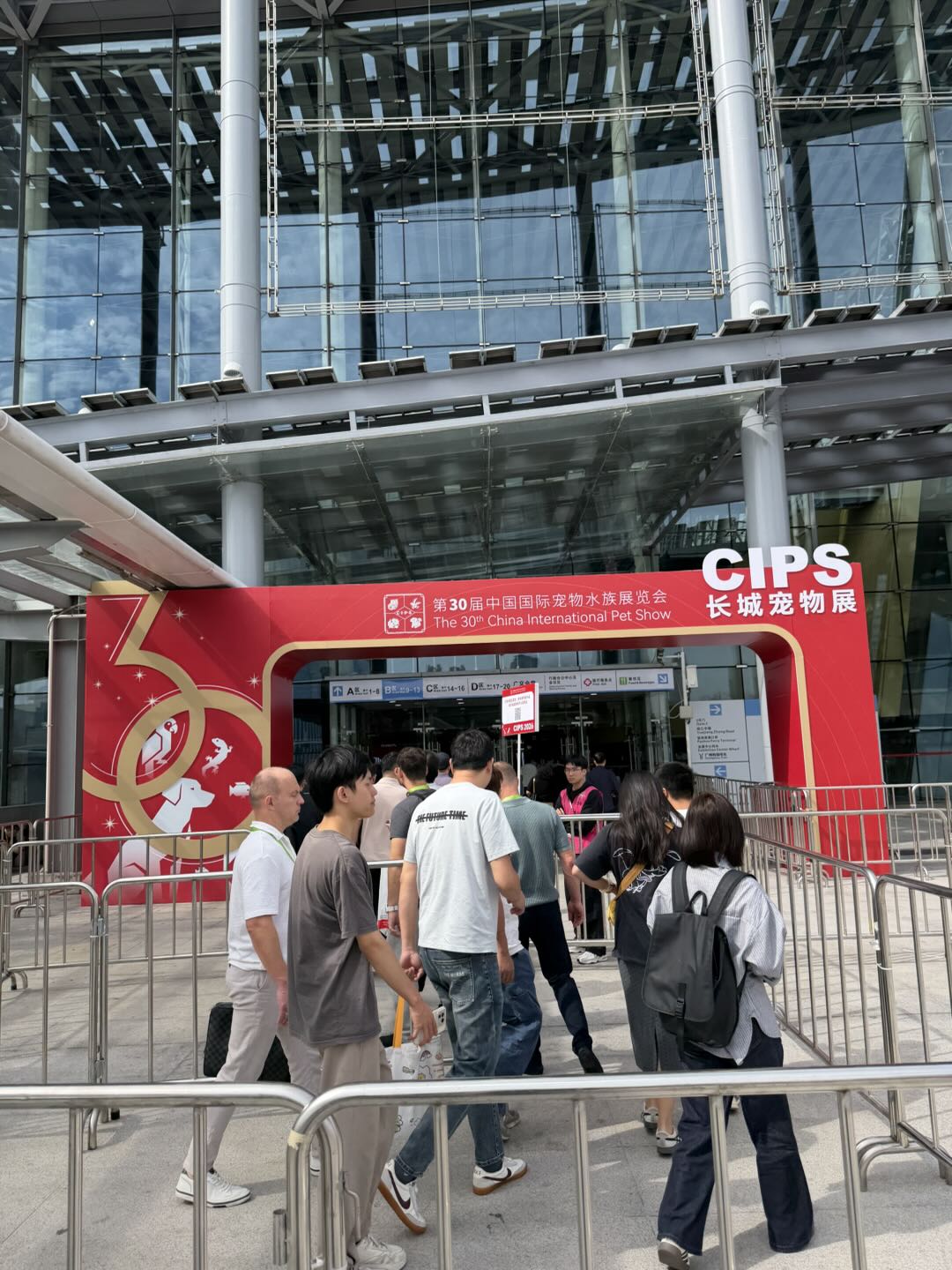
How to Identify Promising Products at CIPS
When walking through an exhibition, it is easy to be attracted by new designs, popular products, or impressive displays. However, buyers should look beyond appearance and evaluate products from three perspectives.
1.1 Supplier Density and Market Competition
Pay attention to how many suppliers are offering similar products.
- High supplier density: If many exhibitors offer almost identical products, competition may already be intense, making price differentiation more difficult.
- Limited supplier availability: A product offered by relatively few suppliers may indicate a potential opportunity, although buyers should still verify market demand.
- Product migration opportunities: Some products may already be established in one market but remain less developed in another. These products may offer opportunities for brands targeting different customer groups or regions.
The number of exhibitors alone does not determine market potential. It should be considered together with customer demand, pricing, and product differentiation.
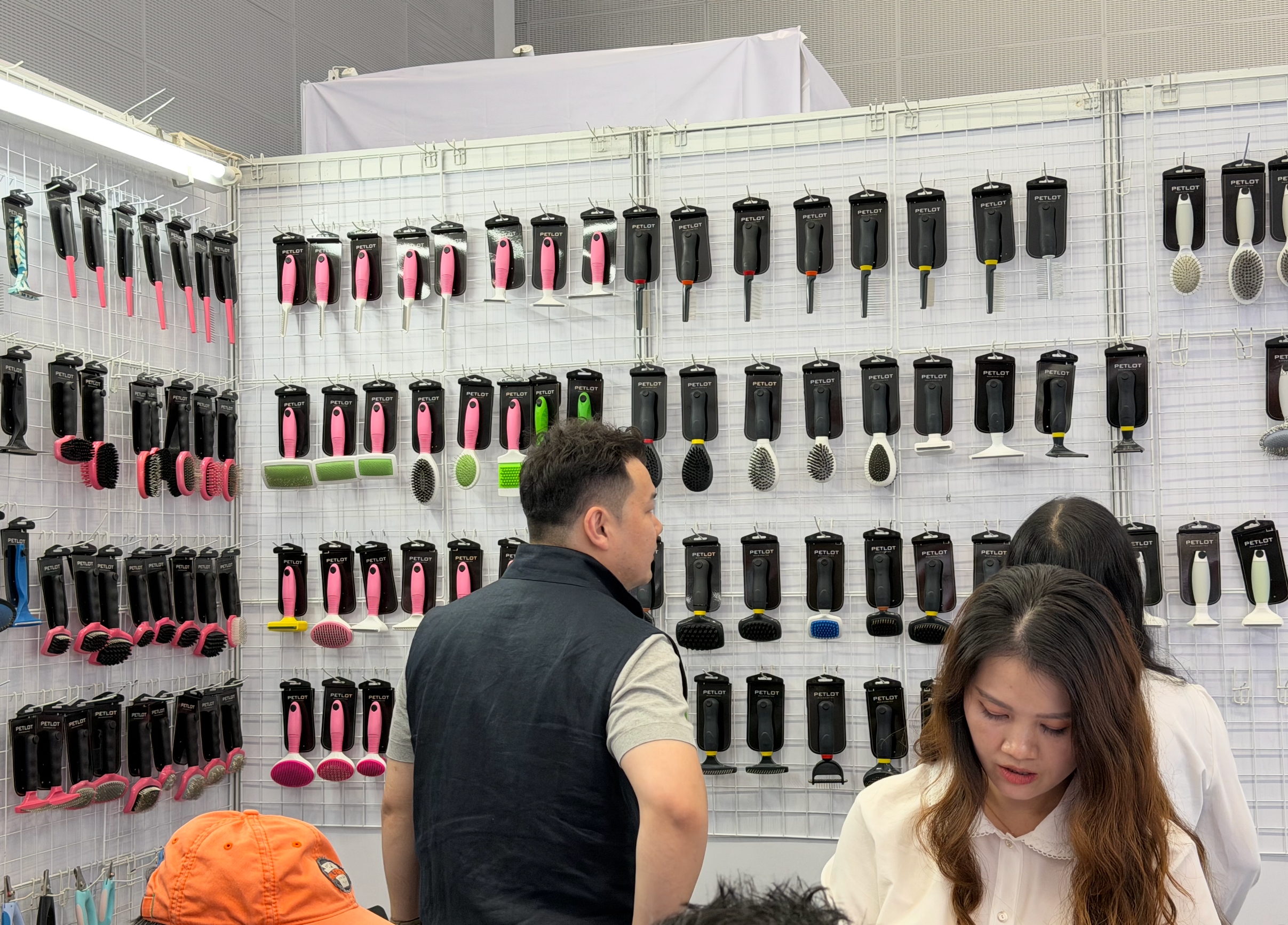
1.2 Identify Design and Manufacturing Barriers
Not all products are equally easy to copy. Some rely mainly on appearance or packaging, while others require specialized materials, structural design, production processes, or tooling.
Design barriers: Unique appearance, functional improvements, product combinations, and user experience.
Manufacturing barriers: Specialized production techniques, material processing, structural components, and mold development.
Products with meaningful design or manufacturing advantages may be less vulnerable to direct price competition.
1.3 Evaluate the Level of Customization
Before selecting a product, understand how much customization it requires.
| Level | Customization Type | Typical Requirements |
|---|---|---|
| L1: Basic | Logo and packaging | Relatively simple, suitable for initial market testing |
| L2: Appearance | Color, material, and surface finish | May require additional material costs or higher MOQs |
| L3: Structural | Product redesign and new tooling | Requires more development time, testing, and tooling investment |
For first-time product development, consider whether L1 or L2 customization can meet your market requirements before investing in new molds or structural changes.
How to Identify the Right Suppliers at CIPS
Exhibition suppliers generally fall into three categories:
- Manufacturers: Usually have direct control over production processes, equipment, and manufacturing costs.
- Trading companies: May coordinate multiple factories and offer a wider product range.
- Manufacturing and trading companies: Combine production and export services, although their actual manufacturing capabilities should still be verified.
Each type can be suitable for different purchasing needs. The key is to understand who actually manufactures the product and who is responsible for quality and delivery.
Do not rely solely on a supplier’s company profile. Ask for its factory address, production equipment, workshop videos, and examples of similar products.
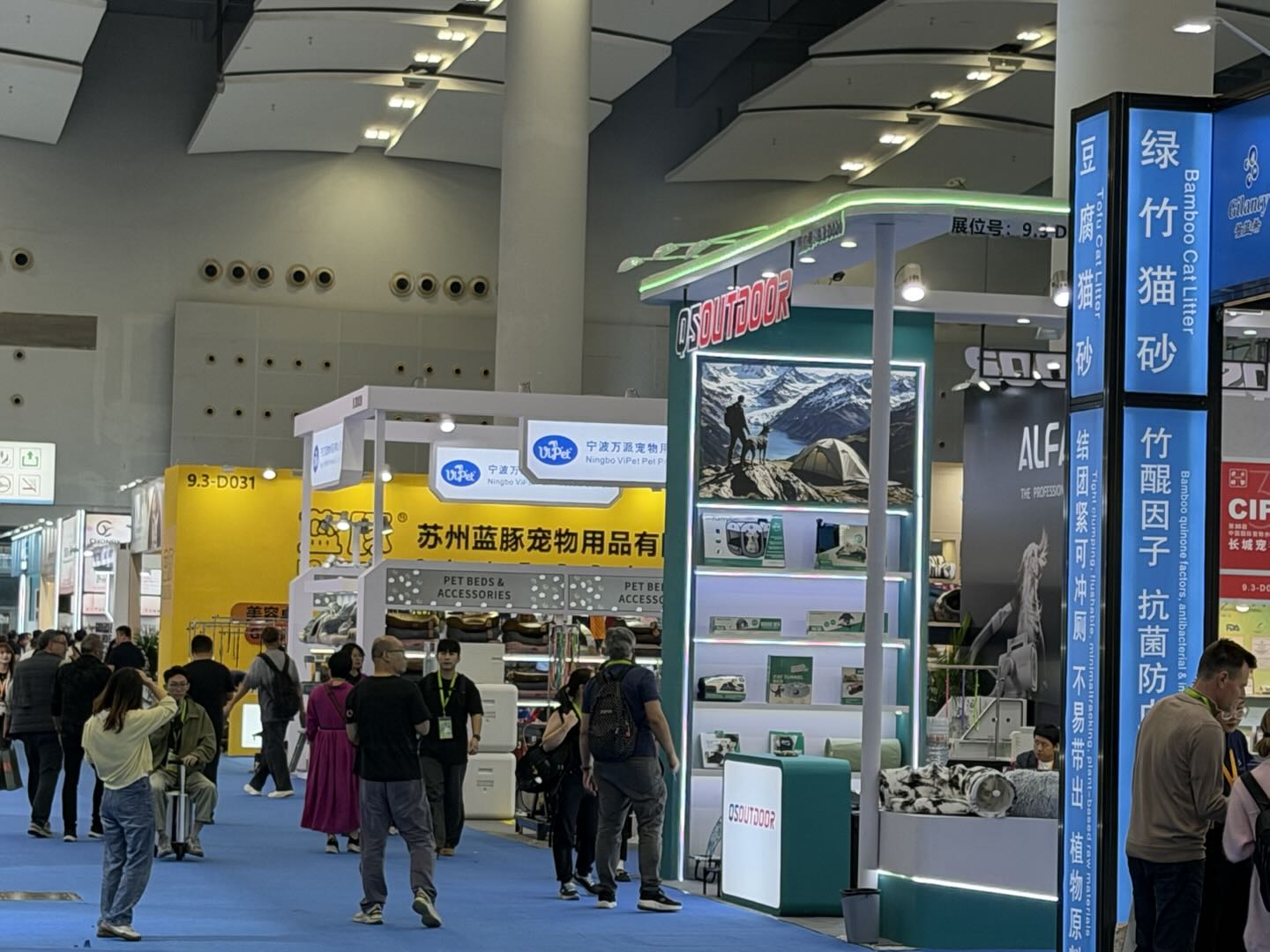
- Request product catalogs and electronic specifications.
- Record the supplier’s company name and main product categories.
- Ask who will handle quotations, samples, and future communication.
- Confirm whether the displayed products are standard models or customizable designs.
- Avoid making purchasing decisions based only on exhibition displays or initial verbal quotations.
These details help buyers distinguish between suppliers with genuine manufacturing capabilities and those who mainly present products sourced from other factories.
21 Questions to Ask Pet Product Suppliers
A quotation alone does not prove that a supplier can meet your production requirements. During the inquiry stage, ask questions across five key areas.
3.1 Supplier Identity and Production Capability
- Are you a manufacturer, trading company, or manufacturing and trading company?
- Are the products manufactured in your own factory or outsourced?
- Can you provide information about your production facilities, equipment, and relevant manufacturing experience?
- Do you have experience exporting similar products?
3.2 Materials and Product Structure
- What materials are used, and can you provide their specifications?
- Are different material grades or quality options available?
- Are the internal structures and key components identical to those of the samples?
- Can you provide material test reports or relevant certification documents?
- Can the materials or product structure be adjusted to meet target-market requirements?
3.3 Pricing and Quotation Details
- What exact materials, dimensions, and configurations are included in the quotation?
- Are packaging, logo printing, and other customization costs included?
- Can you offer different prices based on order quantities?
- Is the quotation based on EXW, FOB, or another Incoterm?
- Are tooling, sampling, or other one-time charges included?
3.4 MOQ and Tooling Costs
- What is the standard MOQ? Are different colors or styles calculated separately?
- Is mixed-color or mixed-style ordering available?
- If a new mold is required, what is the tooling cost?
- Who owns the mold, and are there additional charges for future modifications or production runs?
3.5 Customization and Sampling
- Can you customize logos, packaging, colors, or product structures?
- How long does sampling take, and what are the sample charges?
- After sample approval, can you maintain the same materials, structure, and manufacturing processes in mass production?
These questions are not just about obtaining prices. They help ensure that quotations from different suppliers are based on comparable specifications and configurations.
Three Hidden Costs That Can Affect Your Sourcing Budget
The product unit price is not the same as the actual purchasing cost. Three factors are particularly easy to overlook.
4.1 Tooling Costs Can Change the Actual Unit Price
Consider a TPR pet chew toy that requires a new mold. Assume the mold costs $1,500, the product unit price is $1, and the first order quantity is 3,000 pieces.
| Cost Item | Amount |
|---|---|
| Product unit price | $1.00 |
| Mold cost | $1,500 |
| Mold cost per unit | $0.50 |
| First-order cost per unit, including mold amortization | $1.50 |
If the first order is only 1,000 pieces, the mold cost increases to $1.50 per unit, bringing the combined cost to approximately $2.50 per unit.
This is why buyers should consider order quantity, tooling investment, and future mold usage instead of comparing product prices alone.
This is a simplified example and excludes shipping, inspection, and other expenses.
4.2 Low Prices May Reflect Missing Components or Simplified Structures
Two pet products with similar appearances may have significantly different quotations.
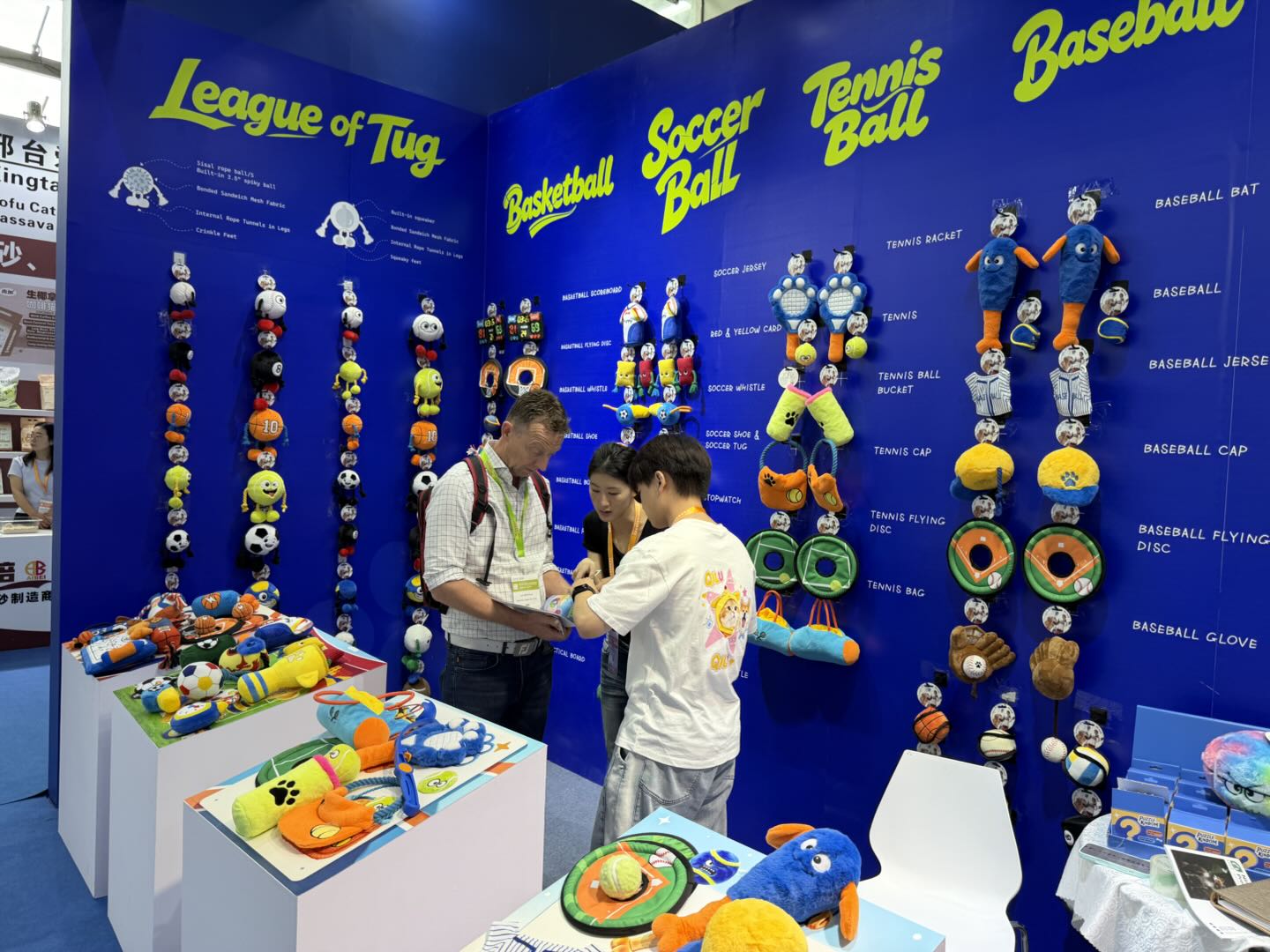
The difference may not simply come from supplier profit margins. It could also result from different internal structures, material grades, or manufacturing processes.
For example, some pet toys may reduce costs by removing internal components, using less material, or simplifying the production process.
Before comparing prices, confirm:
- Whether the internal structure is complete;
- Whether key components match the approved sample;
- Whether material specifications and thickness meet your requirements;
- Whether mass production can maintain the approved sample quality.
Do not evaluate product quality based only on photos or unit prices.
4.3 Material and Color Requirements Can Increase MOQ
Different color requirements may result in very different minimum order quantities.
For example, some fabric products can use existing white-base fabric with printed patterns, with an MOQ of approximately 2,000–3,000 pieces. However, custom dyeing to a specified Pantone color may require an MOQ of around 20,000 pieces.
Actual MOQs depend on the fabric type, dyeing process, and supplier’s production arrangements.
Confirm material, color, and quantity requirements early in the development process to avoid unexpected costs later.
Materials, Safety, and Compliance
Pet products may involve chewing, scratching, cleaning, or food-contact applications. Material selection should therefore consider safety and product performance, not just price.
| Material | Common Applications | Key Sourcing Considerations |
|---|---|---|
| TPR / TPE | Chew toys and pet toys | Formulation, hardness, durability |
| Natural rubber | Pet toys | Material source, odor, structural strength |
| EVA | Mats and toys | Density, thickness, durability |
| Stainless steel | Feeding bowls and accessories | Material grade, surface finish, corrosion resistance |
Check Whether Compliance Documents Match the Actual Product
Applicable regulations and testing requirements vary depending on the product’s intended use, materials, and destination market.
When requesting test reports, check:
- Whether the report covers the actual product model;
- Whether the tested materials, colors, and structures match the mass-production product;
- Whether the test items are relevant to the target market;
- Whether the report was issued by a reliable testing organization.
Standards for children’s toys, food-contact materials, and chemical restrictions do not automatically apply to every pet product. Requirements should be determined according to the product’s specific application and destination market.
Evaluate Production Lead Times Realistically
Production lead times vary depending on product complexity, customization, and material availability. Projects involving new molds or special materials may require additional time.
Break the timeline into separate stages:
- Sampling: Material preparation, sample production, and revisions.
- Tooling: Mold development, trial production, and structural adjustments.
- Mass production: Raw material procurement, production scheduling, and manufacturing.
- Shipment preparation: Packaging, inspection, and logistics arrangements.
Confirm the estimated duration of each stage and ask how sample revisions or material delays could affect the final delivery date.
Conclusion
CIPS provides an opportunity to discover new products, meet suppliers, and understand developments in the pet industry. However, successful sourcing requires more than finding attractive products at an exhibition.
Buyers need to evaluate market opportunities, understand customization requirements, verify supplier capabilities, and calculate the actual costs behind each quotation.
By asking the right questions and checking the details before placing an order, brands and importers can make more informed purchasing decisions and reduce uncertainty during product development and mass production.
Looking for 2027 Pet Product Trends and New Products?
Want to discover the latest pet product trends and new products for 2027? Contact us, and we can send you relevant product information and a quotation.
Get in Touch →