How Much Does It Really Cost to Manufacture a Product in China?
A practical guide to production costs, product development, quality requirements, shipping, and the total cost of importing products from China.
China is a major manufacturing destination for international brands, wholesalers, and e-commerce businesses. Its extensive supplier network and production capabilities offer opportunities to manufacture products at competitive prices.
However, the cost of manufacturing in China involves more than the unit price quoted by a factory. Product development, sampling, tooling, packaging, quality inspection, compliance testing, shipping, and import duties can all affect your total investment.
Understanding these costs before placing an order helps you prepare a realistic budget, compare suppliers accurately, and protect your profit margins.
In this guide, we break down the main expenses involved in manufacturing products in China, explain how Incoterms and payment terms affect your purchasing costs, and show how to estimate the total cost of bringing your products to market.
1. What Determines Manufacturing Costs in China?
The cost of manufacturing depends on several factors. Even similar products can have different quotations depending on their specifications and production requirements.
Materials and Components
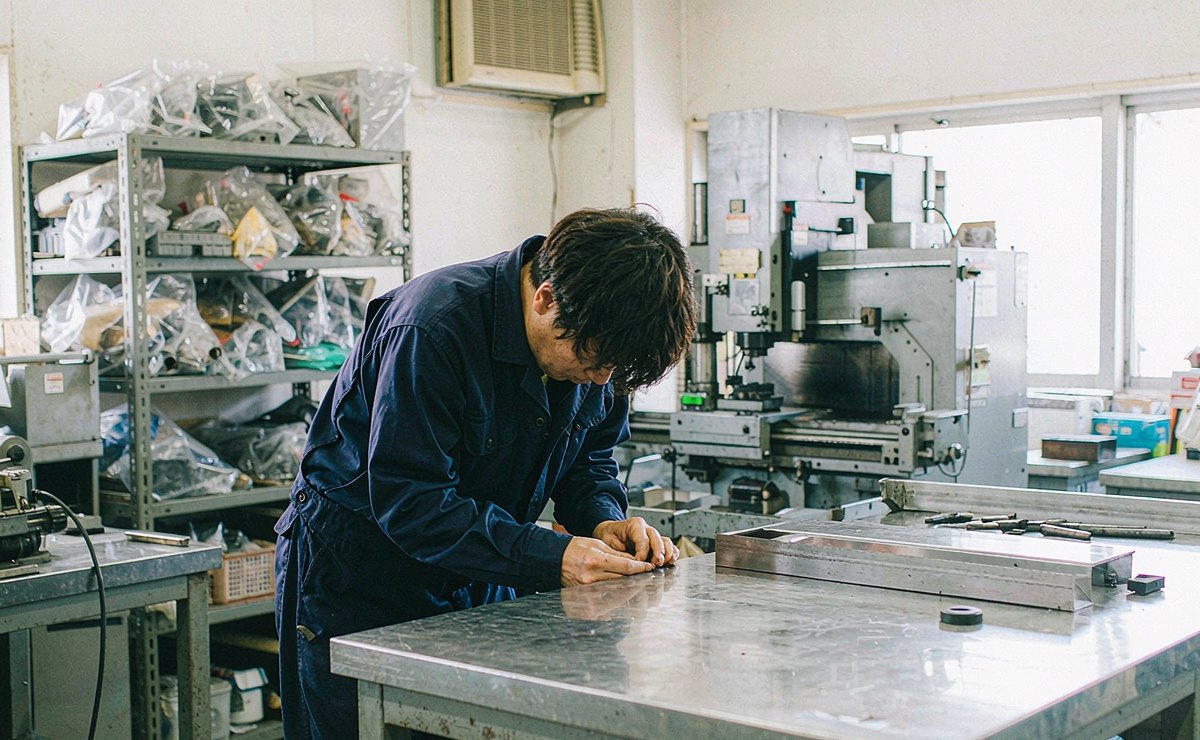
Material selection directly affects product cost. Solid wood, metal, plastic, stainless steel, and other materials vary in price, quality, and processing requirements.
The grade, thickness, dimensions, and finishing of materials should be clearly specified when requesting quotations.
Product Design and Complexity
Products with more components, complicated structures, or specialized finishing generally require additional labour and production processes. A simpler design can often reduce manufacturing time and costs without compromising essential functionality.
Order Quantity
Larger orders may reduce unit prices because factories can distribute setup costs and production expenses across more units. However, larger orders also require more upfront investment and increase inventory risk.
Quality Requirements
Products requiring tighter tolerances, special testing, higher-grade materials, or more detailed finishing may have higher production costs. The goal should be to establish the quality level your target market requires rather than simply choosing the lowest quotation.
2. Additional Costs Before Mass Production
Customized products may involve expenses before regular production begins.
Sampling and Product Development
Sample costs may include prototype production, material preparation, design adjustments, and sample delivery.
For customized products, several rounds of revisions may be necessary before the final sample is approved. Confirming product specifications early can reduce unnecessary development expenses and prevent costly changes later.

Mould and Tooling
Some products require dedicated moulds, dies, or production fixtures. These costs depend on product structure, material, complexity, and manufacturing process. Products using existing factory designs or standard components may not require new tooling.
Protecting Mould Ownership
If you pay for custom moulds, make sure ownership is clearly stated in the contract. The mould fee should be listed separately rather than hidden in the unit price.
- Who legally owns the mould after payment.
- Where it will be stored and how it will be maintained.
- Under what conditions you can retrieve or transfer it.
- Who pays for maintenance, removal, and transportation if you change factories.
A common problem occurs when a buyer pays for a mould but fails to document ownership and retrieval rights. When the buyer later changes manufacturers, the original factory may refuse to release the mould or request additional fees.
Clarifying these terms before payment helps protect your investment and gives you more flexibility in future production.
3. Packaging, Quality Inspection and Compliance Costs
Packaging, inspection, and product compliance should be included in your manufacturing budget, especially when developing products for international retail markets.
Packaging
Additional packaging expenses may include:
- Custom printed boxes and labels
- Instruction manuals and product inserts
- Protective materials
- Barcodes and branding elements
Costs depend on packaging materials, printing requirements, design complexity, and order quantity.
Quality Inspection
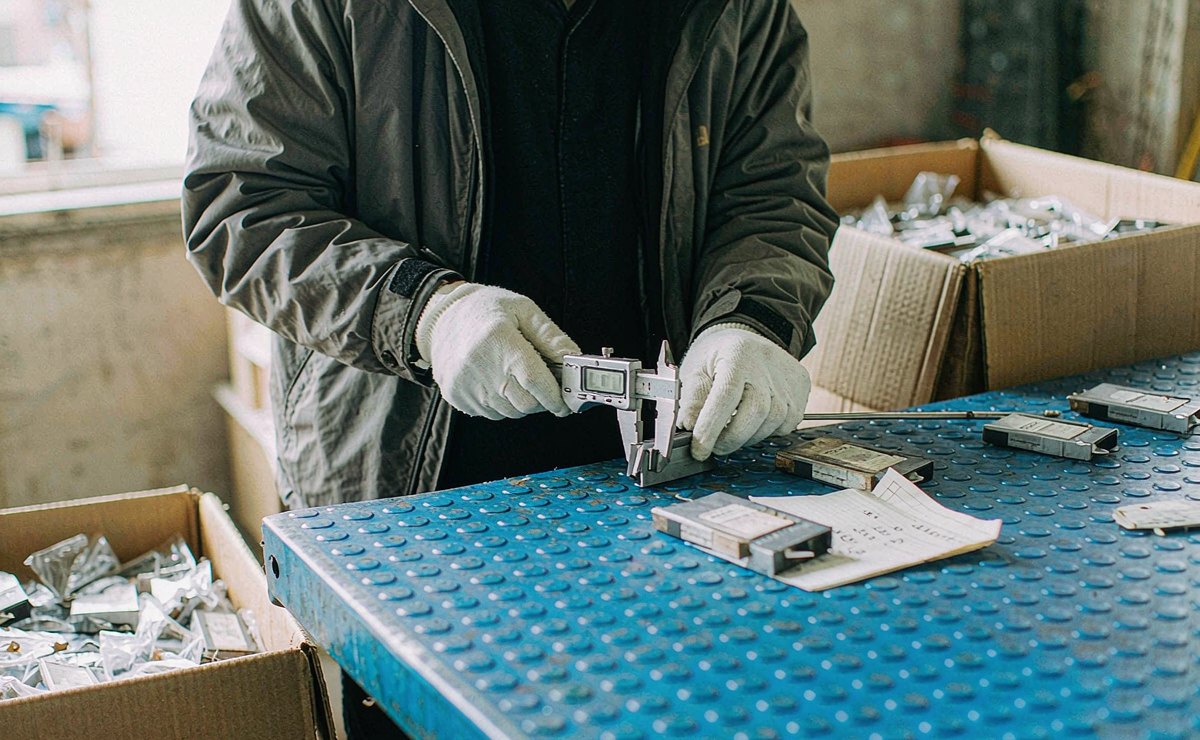
Quality inspection helps verify that finished products meet agreed specifications before shipment.
Depending on the project, inspection may cover product appearance, dimensions, functionality, materials, packaging, and order quantity.
Identifying defects before shipment can help avoid more expensive problems after products arrive.
Product Compliance and Testing
Depending on the product category and destination market, additional compliance assessments, laboratory testing, or certification may be required.
Examples of relevant requirements include:
- U.S. CPSC requirements for applicable consumer products
- California Proposition 65 chemical exposure warning requirements
- EU REACH chemical restrictions
- CE marking requirements for applicable products
- UKCA requirements where applicable
These requirements are not interchangeable. Some products require specific conformity assessments or testing, while others may be subject to chemical restrictions or warning obligations.
- Identify the applicable requirements for the destination market.
- Request relevant material and component test reports from suppliers.
- Confirm whether finished-product testing or certification is required.
- Obtain testing quotations and estimated lead times from qualified laboratories, such as SGS, Intertek, or TÜV.
Material reports can provide useful supporting information, but they do not automatically replace finished-product testing or other required conformity procedures.
Testing fees and timelines should be included in the project budget. If a product fails to meet applicable requirements, material replacement, product modifications, and retesting may create additional costs and delays.
4. How Order Quantity Affects Unit Cost
Order quantity is one of the biggest factors influencing manufacturing prices.
Consider this simplified example:
| Order Quantity | Unit Price | Total Production Cost |
|---|---|---|
| 500 units | $8.00 | $4,000 |
| 1,000 units | $7.20 | $7,200 |
| 3,000 units | $6.60 | $19,800 |
| 5,000 units | $6.30 | $31,500 |
Illustrative figures only. Actual quotations depend on product specifications, materials, factory capacity, and order conditions. This table shows a simplified pricing trend, not a reference quotation. Products involving tooling or custom materials may have significantly higher unit prices at smaller order quantities.
Although larger orders may reduce unit costs, they require more capital and create greater inventory commitments.
For new products, starting with a manageable order quantity may be a better strategy. Once demand becomes more predictable, businesses can consider increasing order volumes to improve cost efficiency.
It is the one that balances production costs, cash flow, and expected sales.
5. Shipping, Import Costs, Incoterms and Payment Terms
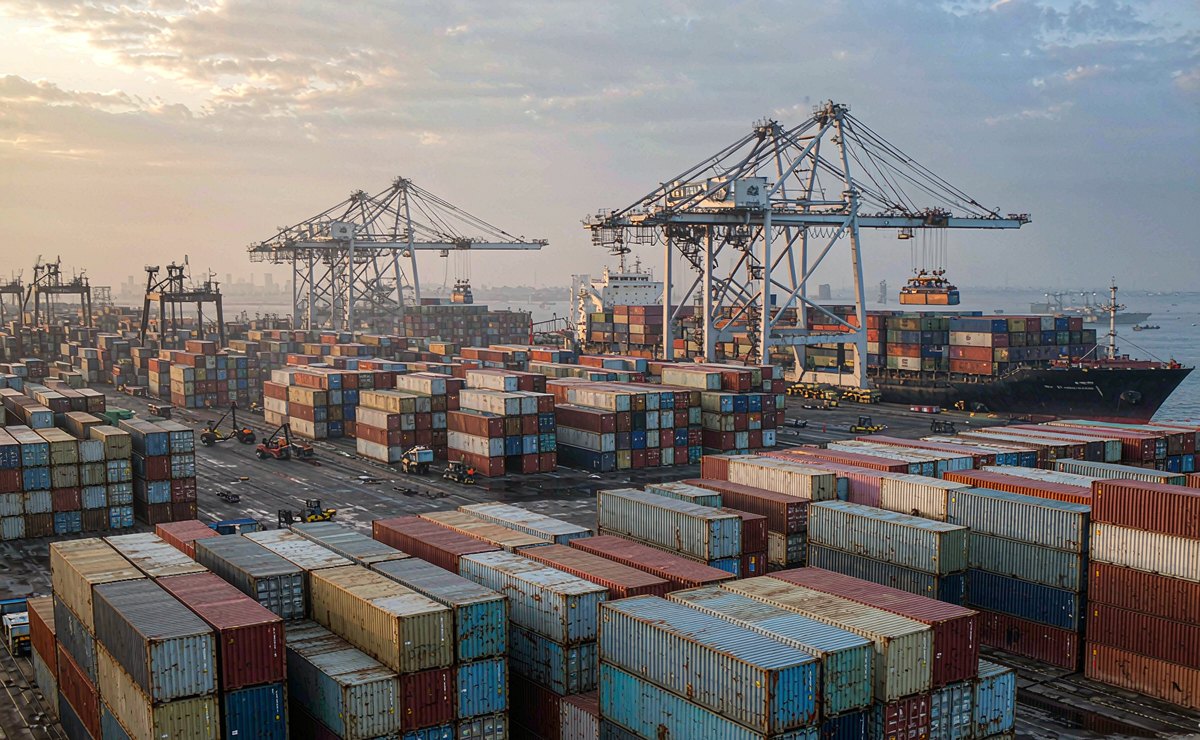
After production, products need to be transported from China to the destination market. Shipping arrangements, import charges, and payment conditions can all affect the buyer’s total financial commitment.
5.1 International Shipping
The main transportation options include:
- Sea freight: Generally suitable for larger shipments and bulky products.
- Air freight: Faster, but usually more expensive.
- Express courier: Convenient for samples and small, urgent shipments.
The right option depends on shipment volume, weight, dimensions, delivery deadlines, and budget.
5.2 Customs Duties and Other Import Costs
Import duties and taxes vary according to the destination country, product HS code, customs value, and applicable trade policies.
Depending on the shipment arrangement, additional expenses may include:
- Factory-to-port transportation
- Export handling and documentation
- Cargo insurance
- Destination port charges
- Customs clearance
- Local delivery and warehousing
Buyers should check the relevant import requirements before confirming an order and clarify which expenses are included in the supplier’s quotation.
5.3 Understanding FOB, CIF and DDP
Incoterms define the responsibilities of buyers and sellers for transportation, delivery, costs, and risk transfer.
Three commonly used terms when importing products from China are FOB, CIF, and DDP.
| Term | Seller’s Main Responsibilities | Buyer’s Main Responsibilities |
|---|---|---|
| FOB | Export clearance and delivery of goods on board the nominated vessel at the named port of shipment. | Main freight, insurance if required, import clearance, duties, and onward delivery. |
| CIF | Export clearance, main freight, and minimum insurance to the named destination port. | Import clearance, duties, and onward delivery. |
| DDP | Delivery to the named destination, including export and import clearance and applicable duties. | Receiving the goods at the agreed destination. |
FOB and CIF are intended for sea and inland waterway transport. Other Incoterms may be more appropriate for air freight or multimodal shipments.
FOB: Gives buyers greater control over their freight forwarder and main transportation arrangements. However, buyers must organize and pay for the main freight and handle import responsibilities.
CIF: The seller arranges and pays for freight and minimum insurance to the named destination port. However, risk transfers to the buyer once the goods are loaded on board the vessel at the port of shipment. Buyers should also clarify the insurance coverage and destination charges.
DDP: Places more delivery and import responsibilities on the seller. It can simplify the process for buyers who lack import experience, but the quotation should clearly identify the destination and what services are included.
When comparing supplier quotations, always confirm that they use the same Incoterm and named place or port. Otherwise, the prices may not be directly comparable.
5.4 Common Payment Terms and Their Financial Implications
Payment terms determine when money leaves your business and how much financial risk you carry during production and shipment.
30% Deposit + 70% Balance
A 30% deposit followed by a 70% balance payment is a common arrangement in international manufacturing transactions.
The deposit is generally paid before production, while the remaining balance is paid according to the agreed contractual milestone, often after production and before shipment or document release.
Before agreeing, clarify:
- When the balance becomes due.
- Which production or shipping documents must be provided.
- Whether the balance is linked to inspection results.
- How the shipping documents and cargo release will be handled.
For shipments using original Bills of Lading, sea waybills, or telex releases, confirm who controls the release of the goods and when the buyer receives the necessary documents.
Letter of Credit (L/C)
A Letter of Credit can provide additional payment security when dealing with large orders or unfamiliar suppliers, provided its terms are carefully structured.
However, bank issuance, document handling, negotiation, and discrepancy fees can increase transaction costs. Complex shipments may also create documentation challenges.
It is generally more suitable for transactions where the order value and risk justify the additional administrative expense.
Platform Payment Protection
Services such as Alibaba Trade Assurance may provide transaction protection under their applicable terms and conditions.
However, coverage is subject to the platform’s rules, payment arrangements, evidence requirements, and dispute procedures. Buyers should review the actual protection scope rather than assume every quality or delivery issue will automatically be covered.
For a first order with an unfamiliar factory, paying the full amount in advance creates significant financial exposure. Verify the supplier, agree on clear contractual milestones, and use appropriate payment protection where possible.
If a sourcing agent provides a DDP quotation, request a breakdown of the product value, freight, insurance, duties, clearance, and service fees. This makes it easier to understand the total cost and compare alternative shipping arrangements.
6. How to Calculate Your Total Manufacturing and Import Costs
To estimate your actual manufacturing budget, consider both production expenses and the additional costs required to deliver the goods.
Here is a simplified example for an order of 1,000 customized products:
| Cost Item | Estimated Cost |
|---|---|
| Factory production (1,000 × $5.00) | $5,000 |
| Product development and samples | $300 |
| Mould and tooling | $500 |
| Customized packaging | $400 |
| Quality inspection | $200 |
| Compliance testing | $300 |
| International shipping and insurance | $1,000 |
| Import duties, taxes, and customs clearance | $800 |
| Total Estimated Cost | $8,500 |
Based on this example:
- Order quantity: 1,000 units
- Factory production cost: $5,000
- Additional listed expenses: $3,500
- Total estimated investment: $8,500
Estimated cost per unit:
$8,500 ÷ 1,000 = $8.50 per unit
Although the factory price is $5.00 per unit, the estimated cost increases to $8.50 after including the additional expenses listed above.
The compliance testing and import figures are illustrative placeholders, not standard market rates. Actual amounts depend on the product, testing requirements, HS code, destination-country tariff rates, and shipping arrangement.
This is an estimate of the listed manufacturing and import expenses, not necessarily a complete landed-cost calculation for every destination. Local delivery, warehousing, and other destination-specific expenses may still need to be added. Recoverable taxes should also be treated according to the buyer’s tax position.
The calculation highlights an important point: factory price is not the same as total landed cost.
7. Common Costs Overseas Buyers Overlook
Some expenses are easy to miss when preparing a manufacturing budget.
Repeated Sample Revisions
Unclear specifications may lead to multiple sample revisions, increasing development time and courier expenses.
Changes After Production Starts
Changes to materials, dimensions, colours, or packaging can result in additional material costs, production delays, and rework.
Defective Products
Products that fail to meet agreed specifications may require repair, replacement, or additional inspection.
Excess Inventory
Ordering more products to obtain a lower unit price can increase storage costs and tie up working capital if sales are slower than expected.
Unexpected Shipping Expenses
Urgent transportation, inaccurate shipment information, and additional handling requirements can increase logistics costs.
Compliance Failures and Retesting
If a product fails applicable testing or compliance requirements, material replacement, product modifications, and retesting can add significant costs and delay market entry.
Planning these details early helps reduce unexpected expenses.
8. How to Control Manufacturing Costs
Reducing manufacturing costs is not simply about negotiating a lower factory price. It requires managing the entire process.
Provide drawings, dimensions, materials, functional requirements, packaging details, target quantities, and destination-market requirements before requesting quotations.
Make sure suppliers are quoting based on the same product specifications, quality standards, packaging requirements, Incoterms, and payment terms.
Balance unit price savings against cash flow, inventory levels, and expected demand.
Confirm the final sample and document all important requirements before authorizing bulk production.
Compare transportation options early and clarify delivery responsibilities to avoid unnecessary urgent shipping costs.
Consider production, packaging, inspection, compliance testing, freight, import duties, and other relevant expenses instead of focusing only on the factory price.
Put mould ownership, storage, and retrieval terms in the contract. Also confirm who is responsible for compliance testing, documentation, and the cost of corrective actions if a product fails.
Frequently Asked Questions
1. Is manufacturing in China cheaper than in other countries?
China offers competitive manufacturing opportunities because of its extensive supplier network and production infrastructure. However, the overall cost depends on the product, quality requirements, order quantity, logistics, compliance requirements, and destination-country import charges.
2. What is usually included in a factory quotation?
A factory quotation may include materials, labour, production, assembly, and standard packaging. Sampling, custom moulds, special packaging, inspection, compliance testing, shipping, and import charges may be quoted separately. Always confirm what is included and which Incoterm applies.
3. What is the difference between factory price and landed cost?
Factory price refers to the manufacturer’s charge under the agreed quotation terms. Landed cost includes the relevant expenses required to deliver the goods to the buyer’s destination, such as production, freight, insurance, customs duties, clearance, and local delivery.
4. Can I manufacture products in China with a small order quantity?
Yes, depending on the product and factory. Standard products may have more flexible minimum order quantities, while customized products may require larger orders due to material purchasing, setup, or tooling requirements.
5. How can I get an accurate manufacturing quotation?
Provide product images or drawings, dimensions, material requirements, functional details, packaging specifications, target quantity, destination market, and required compliance standards. Clear information helps manufacturers prepare more accurate and comparable quotations.
6. Who owns the mould if I pay for it?
Mould ownership should be clearly defined in the contract. List the mould fee separately and specify ownership, storage location, maintenance responsibilities, and retrieval conditions if you change factories. Do not rely on verbal agreements.
7. How do Incoterms and payment terms affect my costs?
Incoterms determine the division of transportation responsibilities, costs, and risk between buyer and seller. Payment terms determine when funds are transferred and what financial exposure the buyer carries. Always compare quotations using the same Incoterm, named destination, and payment conditions.
8. Do I need to budget for compliance testing?
Depending on the product category and target market, testing, conformity assessment, or certification may be required. Ask suppliers for relevant material and component reports, confirm the applicable requirements, and obtain testing quotations before mass production.
Final Thoughts
The real cost of manufacturing a product in China involves much more than the factory’s unit price. Sampling, tooling, packaging, quality inspection, compliance testing, shipping, payment terms, and import expenses can all influence your final investment.
For overseas businesses, the key is to calculate costs before production begins, compare supplier quotations on an equal basis, and balance unit price savings against quality, cash flow, and inventory risks.
Document mould ownership, payment conditions, and compliance responsibilities before committing to production. A well-planned manufacturing budget helps you make better purchasing decisions and build a more predictable supply chain.
Planning to Manufacture Your Products in China?
JACKHOO SOURCING supports overseas businesses with product development, manufacturer coordination, quality inspection, customized packaging, and shipment arrangements.
CONTACT JACKHOO SOURCING → Discuss your product requirements and explore suitable manufacturing options in China.