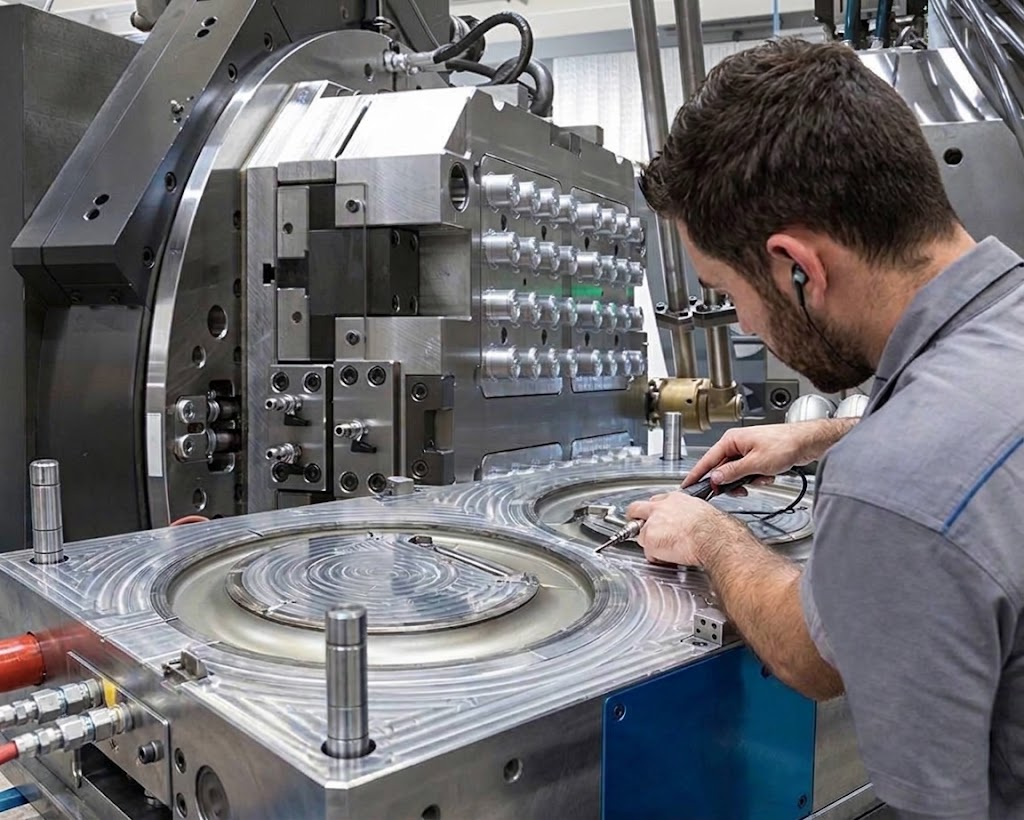
Your golden sample was perfect. Your 500-unit order isn’t. Colors shift, dimensions drift, and assembly fails.
Why? Pilot runs and mass production are entirely different beasts. Here is how to lock down bulk consistency when sourcing from China — before your product hits the market.
Table of Contents
- What Is the Difference Between a Pilot Run and Mass Production?
- Why Your First 500 Units May Look Different
- Tooling Wear and Operational Differences During Mass Production
- How to Control Product Consistency Before Mass Production
- Why a Factory Needs Technical Follow-Up During Production
- From Pilot Batch to Stable Mass Production: What Buyers Should Do
- Frequently Asked Questions
1. What Is the Difference Between a Pilot Run and Mass Production?
A pilot run is a small production batch manufactured before full-scale production. Its purpose is to check whether the product design, materials, equipment, and manufacturing process can work together as expected.
Mass production begins when the manufacturing process is considered ready for repeated, larger-volume orders.
Although both stages may use the same product specifications, their production conditions are not always identical.
| Comparison | Pilot Production Run | Mass Production |
|---|---|---|
| Main Purpose | Test the production process | Manufacture at scale |
| Order Quantity | Usually smaller | Usually larger |
| Production Speed | More controlled and adjustable | Focused on efficiency |
| Process Adjustments | More frequent | Should follow approved settings |
| Quality Focus | Identify potential problems | Maintain consistent quality |
| Production Data | Used for process improvement | Used for ongoing control |

A pilot run is not simply a smaller version of mass production. It is an opportunity to identify manufacturing problems before they affect a much larger order.
For buyers, approving a sample and approving a pilot batch should be treated as two different decisions.
2. Why Your First 500 Units May Look Different
Even when a factory follows the same drawings and specifications, several production factors can create differences between the pilot batch and later orders.
During a pilot production run, operators may adjust machine settings to achieve the required appearance and dimensions. For injection-molded products, factors such as temperature, injection pressure, cooling time, and cycle time can influence the final result. If these settings are changed or not properly recorded, later production may produce different results.
Material consistency is another important factor. Different material batches may have slight variations in color, performance, or processing behavior. For products using plastic, rubber, metal, or mixed components, these differences can affect appearance and functionality. Buyers should specify material grades, colors, and approved alternatives before production.
Products involving multiple components may depend on manual assembly. Different operators may apply slightly different pressure, positioning, or assembly techniques. These differences can affect product alignment, fit, and finish. Clear work instructions and repeatable assembly procedures are important for maintaining consistency.
A pilot batch may receive closer attention because the quantity is small. During mass production, the factory needs to maintain a stable production rhythm. If production speed increases without appropriate process control, defects may become more frequent or harder to detect. The solution is to establish production settings that balance efficiency with consistent quality — not simply to slow production down.
 Same drawings, different result: equipment settings, material batches, assembly technique and production speed all shift between a pilot batch and bulk production.
3. Tooling Wear and Operational Differences During Mass Production
One factor buyers sometimes overlook is that manufacturing conditions can change as production continues. Tooling, equipment, and production processes all experience wear or require adjustment over time.
Mold and Tooling Wear
For injection-molded products, molds are exposed to repeated heating, cooling, pressure, and mechanical movement. Over time, wear or damage to certain mold components may affect:
- Product dimensions
- Surface finish
- Parting-line appearance
- Flash and other molding defects
- Component fit and assembly
This does not mean every mold will develop problems during a normal production run. The risk depends on mold design, material, maintenance, production conditions, and expected tool life. Factories should follow appropriate mold maintenance schedules and monitor changes in product quality throughout production.
Equipment and Operator Differences
Production equipment may require calibration, maintenance, or adjustments. Operators may also change between shifts or production batches. Without clear operating instructions, different shifts may use slightly different settings or working methods.
To reduce these variations, factories should maintain documented process parameters, standard operating procedures, and production records.
4. How to Control Product Consistency Before Mass Production
A successful pilot run should produce more than a batch of finished products. It should establish the standards that future production must follow. Here are four practical steps buyers can take.
- Approve a Reference Sample Keep an approved sample as the reference for mass production. It should represent the agreed product design, materials, dimensions, colors, finish, and functionality. Both the buyer and supplier should understand that this sample is the comparison standard for future batches.
- Confirm Written Product Specifications Do not rely only on photographs or verbal agreements. Prepare a specification sheet covering product dimensions and tolerances, material grades and colors, component requirements, surface finish and appearance, assembly details, functional requirements, and packaging specifications. Clear documentation reduces the risk of misunderstandings during production.
- Record Pilot Run Results Review the pilot batch and document any problems. If certain dimensions need adjustment or an assembly step causes defects, the factory should address these issues before mass production. Once the revised process is approved, important settings and working instructions should be recorded.
- Establish an Inspection Plan Quality control should not happen only at the end of production. Depending on the product and its risks, buyers can arrange checks at different stages.

| Inspection Stage | Main Purpose |
|---|---|
| Incoming Material Inspection | Confirm materials meet agreed specifications |
| During Production | Identify process and assembly problems early |
| Final Inspection | Check finished products against approved requirements |
| Pre-Shipment Inspection | Confirm the order meets agreed acceptance criteria |
The inspection method and acceptable defect limits should be agreed before production begins.
5. Why a Factory Needs Technical Follow-Up During Production
A supplier may have the equipment and production capacity to manufacture your product, but that does not automatically mean every production detail will remain consistent. The factory needs to understand the buyer’s requirements and translate them into repeatable manufacturing standards. This is particularly important when a product has multiple components, custom materials, special surface finishes, or specific functional requirements.
A capable manufacturing partner should be able to explain:
- How production parameters are established and recorded.
- How material batches are identified and managed.
- How tooling is maintained.
- How operators follow standard procedures.
- How defects are recorded and corrected.
- How production changes are communicated to the buyer.
For overseas brands, technical follow-up also means having someone who can communicate with the supplier, review production progress, and follow up when the actual product does not match the approved specifications.
How JackHoo Sourcing Supports Production Coordination
JackHoo Sourcing works as a China sourcing partner, connecting overseas brands with suitable Chinese suppliers and coordinating purchasing and production requirements. With more than 15 years of China sourcing experience, JackHoo coordinates supplier communication, sample follow-up, production requirements, quality control arrangements, and shipping.
For pilot production and mass production projects, this includes communicating approved specifications, following up on production progress, and coordinating checks against agreed product requirements. The goal is to keep the buyer’s expectations and the supplier’s production standards aligned throughout the order process.
6. From Pilot Batch to Stable Mass Production: What Buyers Should Do
Moving from a pilot run to mass production should be a controlled process, not simply an increase in order quantity. Before approving a larger order, make sure the following points are addressed:
- The pilot batch has been reviewed and approved.
- Product specifications are documented.
- Materials and components are confirmed.
- Production settings and working procedures are recorded where relevant.
- Known pilot-run problems have been corrected.
- Inspection standards and acceptance criteria are agreed.
- Changes to materials or production processes require buyer approval.
Frequently Asked Questions
Is a pilot run necessary before mass production?
It is not mandatory for every product, but it is valuable when introducing a new design, working with unfamiliar suppliers, or using a manufacturing process that has not yet been validated.
How many units should a pilot production run include?
There is no universal quantity. The appropriate batch size depends on product complexity, production methods, testing requirements, and the supplier’s capabilities. A 500-unit order may be a pilot batch for one product but a normal production order for another.
Why can mass-produced products differ from approved samples?
Differences may result from material variations, machine settings, tooling conditions, assembly methods, or production changes. Written specifications and process controls help reduce these risks.
Can a factory guarantee that every unit will be identical?
Manufacturing always involves some degree of variation. The goal is to define acceptable tolerances, maintain consistent processes, and identify defects before products reach customers.
Plan Your Next Production Run in China
Contact JackHoo Sourcing to discuss supplier coordination, production follow-up, and quality requirements.
Contact JackHoo Sourcing →You focus on your brand. We take care of China.