Product Development · Intellectual Property · China Sourcing
How to Protect Your Product Design When Working with Chinese Manufacturers
Working with Chinese manufacturers can help brands develop products, improve production efficiency, and scale their businesses. However, sharing product drawings, technical specifications, prototypes, packaging artwork, and brand information also creates intellectual property risks if the right precautions are not in place.
Protecting a product design is not a single legal step. It involves choosing the appropriate intellectual property protections, controlling confidential information, documenting ownership, and building safeguards into your supplier and product development processes.
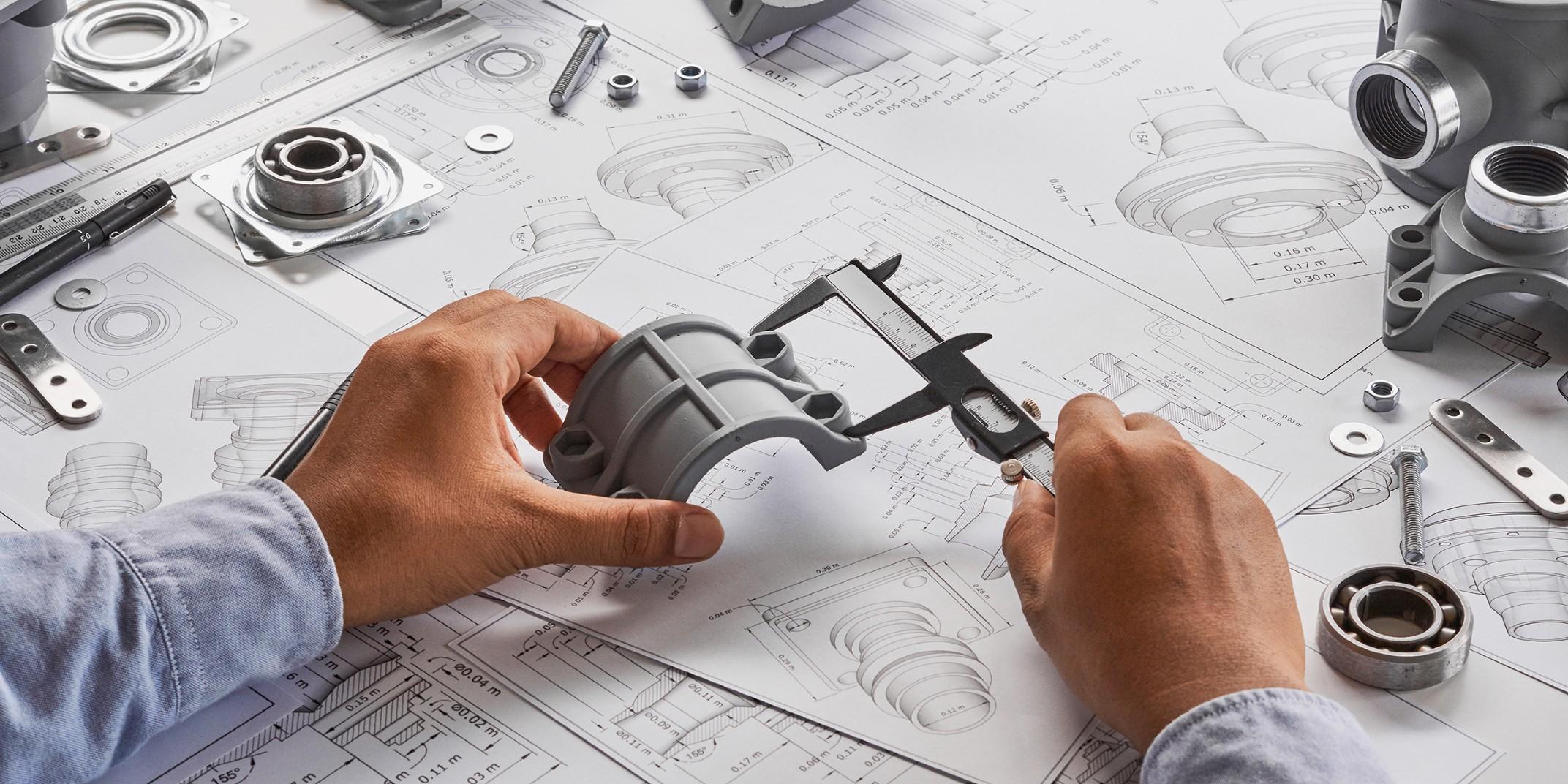
1. Understand What You Need to Protect
Before contacting a manufacturer, identify the assets that make your product and brand valuable. Different assets may require different types of protection. A trademark does not automatically protect a product’s technical features, and an NDA does not replace a registered intellectual property right.
Start by identifying the information you plan to share, who will receive it, and what you need to prevent others from using without permission.
| Asset to Protect | Potential Protection | Practical Considerations |
|---|---|---|
| Brand name and logo | Trademark registration | Consider the relevant countries, product categories, ownership details, and filing strategy. |
| Product appearance | Design patent or registered design, depending on the jurisdiction | Assess eligibility and filing timing before publicly disclosing the design. |
| Technical innovation | Patent protection, where applicable | Evaluate novelty, eligibility, and disclosure risks with a qualified IP professional. |
| Drawings and specifications | Copyright where applicable, confidentiality obligations, and contractual controls | Keep dated versions and control access to detailed files. |
| Custom molds and tooling | Written ownership, permitted-use, storage, and transfer terms | Payment alone may not settle every ownership or usage question. |
| Packaging artwork and product graphics | Copyright where applicable and contractual protection | Clarify who owns commissioned artwork and which uses are authorized. |
| Manufacturing know-how | Trade secret protection and access controls | Limit disclosure to information necessary for each supplier’s role. |
The appropriate protection depends on the asset, the applicable law, and the countries where you manufacture or sell.
Practical tip: Create an inventory of your key assets before sharing product information. Record who created each asset, who owns it, where it is registered if applicable, and which suppliers have access to it.
2. Register Your Trademark Before Building Your Brand Around It
Your brand name and logo may become important business assets as your product line grows. Registering a trademark in your main sales markets can help establish legal rights and make it easier to respond to unauthorized use, subject to the applicable law and scope of registration.
Trademark protection is territorial. A registration in the United States or Europe does not automatically give you the same rights in China. If your products will be manufactured in China, consider whether you should also seek trademark protection there.
What to consider before filing
- Conduct a trademark search. Check for potentially conflicting marks before investing heavily in a brand name or logo.
- Choose the relevant product classes. Trademark protection is tied to the goods and services covered by the application.
- Confirm the correct owner. Make sure the applicant is the appropriate individual or legal entity for your business structure.
- Consider your manufacturing and sales markets. Evaluate China and your target sales countries separately.
- Keep clear records. Maintain filing documents, registration information, and agreements concerning brand ownership.
China generally follows a first-to-file trademark system, subject to legal exceptions and other applicable rules. Waiting until your brand becomes established can create avoidable risks if another party files a conflicting application first.
JACKHOO SOURCING can assist with coordinating the China trademark registration process as part of broader sourcing and product development plans. Filing requirements, availability, ownership, and the appropriate strategy should be confirmed for each case with a qualified trademark professional.
Important distinction: A trademark protects a brand identifier within its registered scope. It does not, by itself, protect every aspect of a product’s shape, technical function, or manufacturing process.
3. Consider Design and Patent Protection Before Sharing Your Product
If your product has a distinctive appearance or a technical feature that gives it a competitive advantage, evaluate whether design or patent protection may be appropriate before disclosing it widely.
The available protection depends on the jurisdiction and the characteristics of the product. Design protection generally concerns qualifying visual features, while patent protection may apply to qualifying technical inventions. Not every product or feature will meet the relevant legal requirements.
Before sending product drawings or samples
- Identify the features that make your product different from competing products.
- Discuss potential filing options with a qualified IP professional before public disclosure.
- Confirm whether any planned marketing, trade show, crowdfunding, or online launch could affect eligibility or filing deadlines.
- Share only the technical information required for the supplier’s current task.
- Keep a record of the versions of drawings, specifications, and samples shared with each supplier.
During product development, clear communication about drawings, samples, specifications, and tooling requirements can help keep supplier activities aligned with the intended product. JACKHOO SOURCING can coordinate these operational communications with suppliers. Legal assessments of patentability, filing strategy, and infringement should be handled by qualified IP professionals.
Avoid assuming that a product is protected simply because you designed it first or paid a factory to manufacture it. The rights available to you depend on the applicable law, the nature of the asset, the evidence available, and any relevant agreements.
4. Use an Appropriate NDA Before Sharing Confidential Information
A non-disclosure agreement (NDA) can establish contractual obligations concerning confidential information shared during discussions or production. It is often useful when a manufacturer needs access to drawings, prototypes, cost structures, product specifications, or other non-public information.
However, an NDA is not a complete intellectual property strategy. It does not automatically create a patent or trademark, and its effectiveness depends on its terms, enforceability, the facts of the dispute, and the applicable law.

Key provisions to review
- Define confidential information. Specify which information is covered and how it may be identified or disclosed.
- Limit permitted use. Make clear that the information may be used only for the agreed evaluation, development, or manufacturing purpose.
- Control onward disclosure. Address access by employees, subcontractors, affiliates, and other third parties.
- Set appropriate obligations and duration. Consider how long confidentiality and restricted-use duties should continue.
- Address return or destruction. Specify how files, samples, and confidential materials should be handled when cooperation ends.
- Choose suitable governing-law and dispute provisions. These should reflect the parties, locations, and intended enforcement strategy.
When working with suppliers in China, businesses sometimes consider an NNN agreement, which addresses non-disclosure, non-use, and non-circumvention. Whether an NDA, NNN agreement, or another contract is suitable depends on the specific relationship and risk. Have the agreement reviewed by a lawyer familiar with the relevant jurisdictions.
JACKHOO SOURCING can help communicate confidentiality requirements to suppliers and organize product-related documents during the sourcing and development process. This operational coordination does not replace independent legal review of the agreement.
Practical tip: Put the agreement in place before sharing sensitive details, rather than after a supplier has already received the complete design package.
5. Clarify Product Design, Mold, and Tooling Ownership in Writing
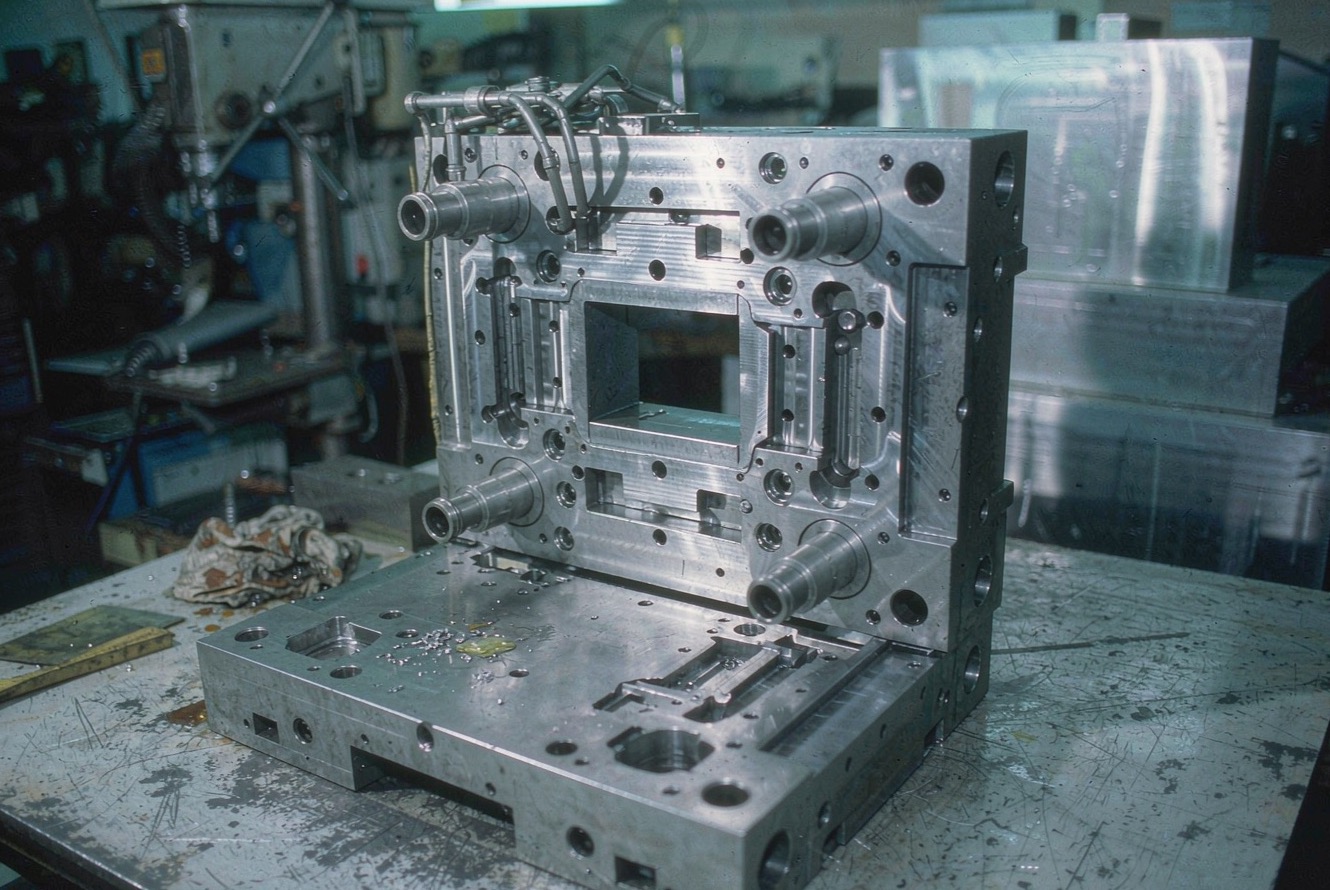
Custom molds, dies, fixtures, and tooling can represent a significant investment. They may also be essential to manufacturing your product consistently. If ownership and permitted use are not clearly documented, disagreements can arise when you change suppliers, increase production, or end a business relationship.
Paying for a mold does not necessarily resolve every legal question about ownership, possession, use, or transfer. These issues should be addressed expressly in the relevant agreement.
Questions your agreement should address
- Who owns the mold, tooling, fixtures, and related technical files?
- Who pays for design, fabrication, modifications, maintenance, and repairs?
- Can the manufacturer use the tooling only for your orders, or are other uses permitted?
- Where will the tooling be stored, and how will it be identified and maintained?
- Who is responsible for damage, loss, deterioration, or unauthorized use?
- Under what conditions can the tooling be released or transferred to another factory?
- What happens to the tooling and related files when the cooperation ends?
- What records will demonstrate payment, identification, ownership, and transfer arrangements?
Keep invoices, tooling specifications, drawings, photographs, payment records, and written confirmations in an organized file. Where practical, identify the tooling with a unique reference that corresponds to your records.
During product development and manufacturing coordination, JACKHOO SOURCING can help communicate tooling requirements, track related product documentation, and coordinate discussions with suppliers. The contractual allocation of ownership and rights should be documented and reviewed appropriately.
6. Use an Exclusive Agreement When Exclusivity Is Important
If a product’s competitive advantage depends on a manufacturer not supplying the same design to other customers, discuss exclusivity explicitly. Do not assume that a supplier will treat a product as exclusive simply because you commissioned it, paid for development, or were the first customer to order it.
An exclusivity arrangement should be specific enough for both parties to understand their obligations. Depending on your commercial objectives, it may address:
- Covered products: The exact model, design, specifications, or product family included.
- Scope of exclusivity: The relevant territory, sales channel, customer group, or market.
- Duration: When the arrangement starts, how long it lasts, and how it may be renewed or terminated.
- Restrictions: Which competing products, similar designs, or customer relationships are covered.
- Commercial obligations: Any minimum order quantities, forecast commitments, or other conditions.
- Breach and remedies: The consequences of non-compliance and the available dispute-resolution process.
Make sure the agreement distinguishes between the rights you need and restrictions the manufacturer is realistically able to accept. Broad or vague language may create uncertainty and make enforcement more difficult.
JACKHOO SOURCING can help coordinate supplier discussions around product specifications, production arrangements, and proposed exclusivity requirements. Any final exclusivity agreement should be reviewed by qualified legal counsel to assess its wording, enforceability, and commercial implications.
7. Choose Suppliers Carefully and Control Information Access
Legal documents are important, but supplier selection and daily information management also matter. A supplier that cannot demonstrate reliable business practices, document control, and clear communication may create additional risks for a product brand.

Review suppliers before sharing sensitive files
- Confirm the supplier’s legal identity and relevant business details.
- Understand whether the supplier is a manufacturer, trading company, or intermediary.
- Ask how product files, samples, molds, and customer information are handled.
- Clarify whether subcontractors will be involved and how they will access your information.
- Check that the supplier understands your specifications and proposed contractual requirements.
- Keep written records of the agreed scope, approved samples, and authorized production arrangements.
Use staged information sharing
A supplier does not always need the full set of product information at the beginning of a project. Share the minimum information necessary for the current stage, then provide additional details when the supplier’s role and obligations are clear.
- Initial evaluation: Share a general product brief and the information needed to assess feasibility.
- Quotation: Provide the specifications required for an accurate quote without unnecessarily exposing unrelated confidential information.
- Prototyping: Share the detailed files needed to produce the agreed prototype under suitable confidentiality and use restrictions.
- Production: Provide approved manufacturing files to the relevant parties and maintain version control.
This approach supports practical cooperation without giving every participant unrestricted access to all of your intellectual property.
8. Put IP Protection Into Your Product Development Workflow
The most useful protection measures are those built into your normal workflow. Instead of treating intellectual property as a final legal check, establish a review point before each important disclosure, approval, or production decision.
| Development Stage | Recommended Action | Records to Keep |
|---|---|---|
| 1. Idea and concept | Identify valuable features and decide what needs confidentiality or formal IP protection. | Concept notes, dated sketches, development records. |
| 2. Before supplier outreach | Check the brand name and assess whether trademark, design, or patent advice is needed. | Search records, ownership details, professional advice. |
| 3. Before disclosing confidential information | Confirm the recipient, purpose, access scope, and appropriate confidentiality terms. | Signed agreements, disclosure logs, shared-file records. |
| 4. Prototype development | Control drawing versions, sample changes, specifications, and permitted use. | Version history, sample approvals, written change requests. |
| 5. Mold and tooling | Document ownership, costs, identification, permitted use, and transfer arrangements. | Tooling agreement, invoices, photos, inventory records. |
| 6. Before mass production | Confirm approved specifications, production scope, and relevant supplier obligations. | Approved samples, purchase orders, signed specifications. |
| 7. During production | Restrict access to files and review any changes to suppliers or subcontractors. | Change logs, production records, authorized-access information. |
| 8. Before entering new markets | Review territorial IP coverage, brand use, and any additional filing needs. | Registration records, market plans, legal review notes. |
A structured workflow is particularly useful when several suppliers are involved in design, component production, assembly, packaging, or quality control. Each participant should understand which files they need and what they are authorized to do with them.
By coordinating product development information, supplier communications, and documentation at the appropriate stages, JACKHOO SOURCING can support a more organized China sourcing process. Brands should still retain ownership records and obtain independent legal advice for questions about IP rights and contract enforceability.
9. Common Mistakes Brands Should Avoid
Even businesses that understand the importance of intellectual property can leave gaps in their protection. The following mistakes are worth reviewing before launching a new product or starting work with a new manufacturer.
Mistake 1: Assuming an overseas trademark protects your brand in China
Trademark rights are territorial. Review where you need protection rather than assuming one registration covers every country.
Mistake 2: Treating an NDA as complete protection
An NDA can establish confidentiality and permitted-use obligations, but it does not replace trademark, patent, or design protection where those rights are appropriate.
Mistake 3: Sharing every technical file at the beginning
Disclose information in stages. Give each supplier access to the materials necessary for its agreed task.
Mistake 4: Assuming payment automatically settles mold ownership
Document ownership, use, storage, maintenance, and transfer rights in writing. Keep the related payment and identification records.
Mistake 5: Relying on verbal exclusivity promises
If exclusivity matters commercially, define its scope and conditions in a written agreement and obtain appropriate legal review.
Mistake 6: Waiting until a dispute occurs
It is generally easier to organize ownership records, agree on confidentiality terms, and assess filing options before a product reaches production or the market.
Before you proceed: Confirm what you own, what you have registered, what you plan to disclose, which supplier will receive it, and what written terms govern its use.
Frequently Asked Questions
1. Should I register a trademark in China if I manufacture there but sell overseas?
It may be worth considering. A trademark registered in another country does not automatically provide equivalent protection in China. Your filing strategy should reflect your manufacturing arrangements, brand ownership, target markets, and potential conflicts. Consult a qualified trademark professional before deciding.
2. Does signing an NDA prevent a Chinese manufacturer from copying my product?
An NDA can create contractual obligations concerning confidential information and its permitted use, but it cannot guarantee that copying will never occur. Its effectiveness depends on the agreement’s terms, applicable law, evidence, and enforcement. Consider combining contractual controls with appropriate IP rights and careful information management.
3. Is a trademark enough to protect my product design?
Usually not. A trademark generally protects a brand identifier within its registered scope. Depending on the product and jurisdiction, distinctive appearance, technical inventions, artwork, and confidential manufacturing information may require different forms of protection.
4. Who owns a mold if I paid the factory to make it?
Payment alone may not settle all questions about ownership, possession, permitted use, or transfer. The outcome depends on the applicable law, the contract, and the circumstances. Your agreement should expressly address these issues and identify the tooling covered.
5. Should I apply for a patent before showing my product to a factory?
If your product may qualify for patent or design protection, seek professional advice before public or uncontrolled disclosure. The effect of disclosure and the available filing options vary by jurisdiction and type of right. An IP professional can help you assess timing before you share sensitive technical details.
6. Can JACKHOO SOURCING help with China trademark registration?
JACKHOO SOURCING can assist with coordinating the China trademark registration process as part of broader sourcing and product development plans. The appropriate filing strategy, availability, ownership, and legal requirements should be confirmed with a qualified trademark professional.
Planning to Develop a Product with Chinese Manufacturers?
Clear specifications, organized supplier communication, and well-documented production requirements can help you manage product development more effectively. JACKHOO SOURCING supports businesses with China sourcing and product development coordination, supplier communication, and production-related documentation.
If you are preparing a new product, reviewing supplier arrangements, or planning custom tooling, discuss your project requirements with our team. For trademark, patent, design-right, and contract-enforceability questions, consult a qualified IP professional.