What Happens When Your Main Supplier Suddenly Stops Production?
A practical guide to managing supplier disruption, recovering outstanding orders, finding alternative manufacturers and restoring production without losing control of quality and costs.
Assess your inventory, identify the cause of disruption, protect existing assets and prepare alternative production options before the situation gets worse.
For many businesses, a reliable supplier is the foundation of a stable supply chain. Once a product has been successfully developed, production has become consistent and orders are delivered on schedule, it is easy to assume that the relationship will continue without major problems.
But what happens when your main supplier suddenly stops production?
A factory may unexpectedly close, experience financial difficulties, lose access to critical raw materials, face regulatory issues or decide to discontinue a product line. In some cases, the supplier may simply stop responding without providing a clear explanation.
Whatever the reason, the consequences can be serious. Active purchase orders may be delayed, inventory may run out, customer orders may be affected and business revenue may decline.
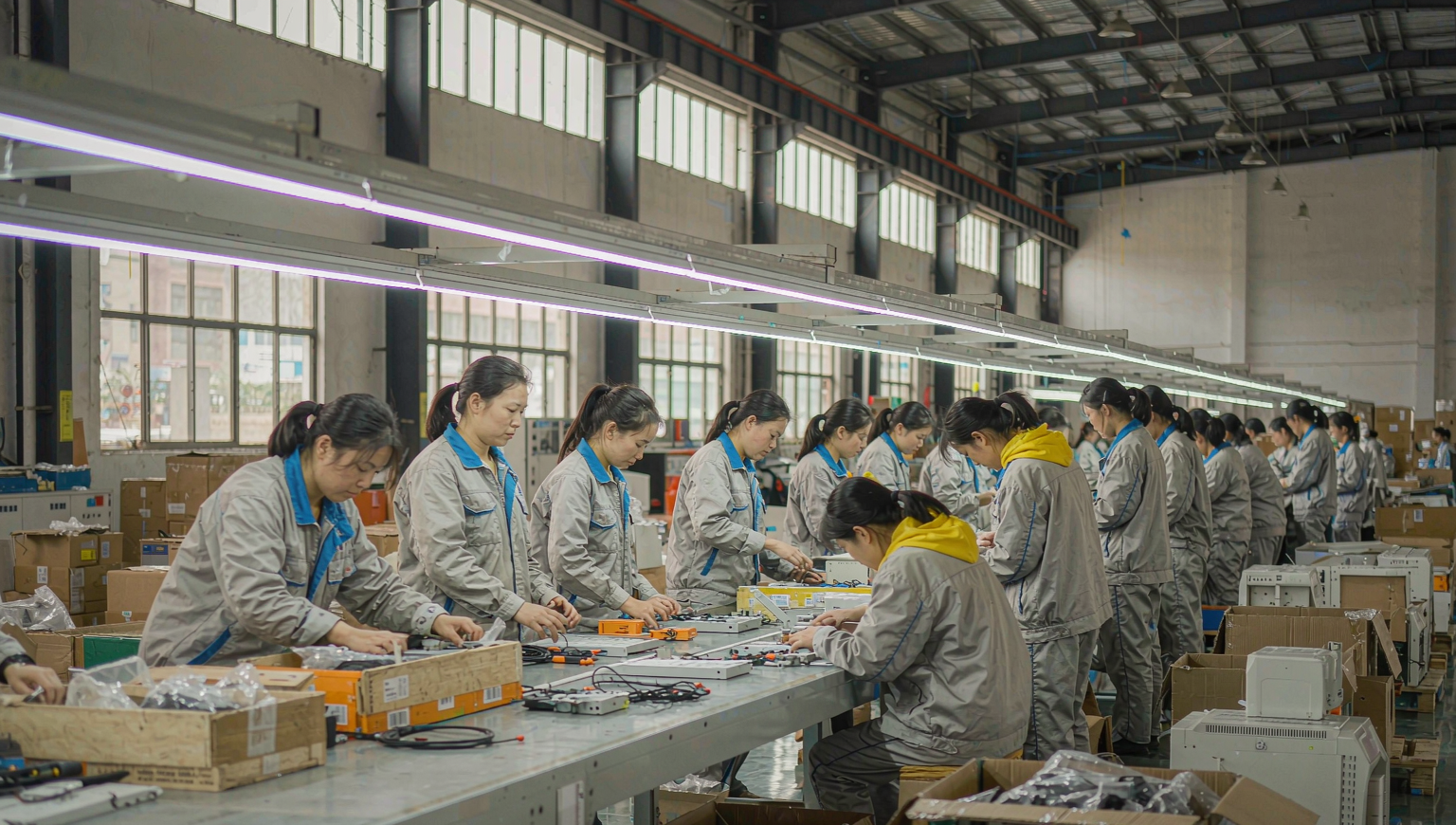
The real challenge is not simply finding another factory. It is restoring production as quickly as possible while maintaining product quality, controlling costs and minimizing disruption to your business.
This guide explains how to respond when your main supplier suddenly stops production, and how to prepare your business to reduce the risk of similar supply chain disruptions in the future.
Emergency Response Framework
Before examining each step in detail, it helps to understand the overall response process. From identifying the disruption to restoring production, every stage requires a clear decision. The first 72 hours are particularly important.
Review inventory, open orders and customer commitments.
Determine whether the shutdown is temporary or permanent.
Check finished goods, materials, tooling and outstanding orders.
Decide whether to wait, recover or transfer production.
Evaluate manufacturers with suitable production capabilities.
Confirm samples, materials and production requirements.
Estimate additional expenses and commercial consequences.
Maintain qualified backup suppliers for critical products.
The First 72 Hours: Supplier Shutdown Checklist
When a supplier suddenly stops production, the way you handle the first three days can directly affect how quickly your business recovers.
Use the following checklist to organize urgent tasks and avoid overlooking important actions.
Within the First 24 Hours
- Contact the supplier in writing and request confirmation of current production status, completed quantities, available materials and expected delivery dates.
- Review outstanding payments and pause further payments where contractually and legally appropriate.
- Calculate inventory coverage using available sellable stock and confirmed, deliverable in-transit inventory.
- Identify customer orders, sales campaigns and promotions that may be affected.
- Inform relevant internal teams, including sales, finance and customer service.
Within 72 Hours
- Identify the likely reason for the shutdown, such as financial difficulties, material shortages, equipment failure or factory closure.
- Decide whether to wait, recover assets or transfer production.
- Request written confirmation of finished goods, work in progress, raw materials and tooling.
- Begin identifying alternative manufacturers.
- Estimate potential financial exposure, including replacement production costs, expedited shipping and possible lost sales.
- Prepare revised delivery arrangements for important customers if necessary.
Within One Week
- Request samples or arrange trial production with the most promising alternative suppliers.
- Arrange transportation for any recoverable goods, materials or tooling.
- Consider contractual remedies and potential legal options if the supplier remains unreachable or enters insolvency proceedings.
- Update inventory forecasts and purchasing plans based on the revised production schedule.
1. Understand the Immediate Impact on Your Business
When a supplier suddenly stops production, the first priority is to understand exactly how your business is affected.
Avoid making rushed decisions before gathering the necessary information. A clear understanding of your current exposure will help you prioritize the right actions.
Outstanding Purchase Orders
Review every order currently in production, awaiting raw materials or scheduled for delivery. Identify which orders may still be completed and which are already at risk of delay.
Available Inventory
Calculate the quantity of inventory that can actually be sold, including stock in your warehouse, confirmed in-transit shipments and inventory held by third-party logistics providers.
Sales Performance and Demand Forecasts
Estimate how long your current inventory can support normal sales. Consider seasonal demand, promotional campaigns and upcoming peak sales periods.
Customer Delivery Commitments
Review existing customer orders, delivery promises and contractual obligations. Determine whether delivery schedules need to be adjusted or alternative arrangements should be prepared.
A business sells 1,000 units per month and currently has 1,500 sellable units in stock. If demand remains stable, this inventory can support sales for approximately six weeks.
This gives the business a limited window to identify an alternative factory and restore production before inventory shortages begin affecting normal sales.
How to Calculate Inventory Coverage
Available inventory should include:
- Sellable inventory currently available in warehouses.
- Confirmed in-transit goods that can be delivered within the relevant planning period.
Exclude inventory already allocated to customer orders, products with quality problems and shipments with uncertain delivery dates.
The result helps you understand how much time remains before current stock runs out and how quickly replacement production must be arranged.
Inventory Coverage and Risk Levels
| Inventory Coverage | Risk Level | Recommended Action |
|---|---|---|
| More than 12 weeks | Low | Evaluate alternative suppliers through the normal qualification process. |
| 8–12 weeks | Medium | Begin supplier screening and consider arranging trial orders. |
| 4–8 weeks | High | Prioritize sampling, trial production and expedited shipping options. |
| Less than 4 weeks | Critical | Consider air freight, regional backup supply channels or prioritizing key customers. |
Inventory coverage must always be considered alongside the time required to restore supply. For example, even eight weeks of inventory may represent a serious risk if normal production requires ten weeks.
2. Identify Why Your Supplier Stopped Production
Before searching for an alternative manufacturer, try to understand why the original supplier stopped production.
Different causes require different responses. Understanding the reason helps determine whether the disruption is temporary or permanent and whether other manufacturers may face similar risks.
Financial Difficulties
A factory may experience cash flow problems, unpaid debts or declining order volumes. Financial pressure can prevent manufacturers from purchasing raw materials or paying employees.
Raw Material Shortages
Delays in obtaining critical materials, upstream supplier failures or significant increases in material prices can interrupt normal production.
Equipment or Operational Failures
Machinery breakdowns, facility damage, labor shortages and internal management problems can all affect a factory’s ability to operate.
Regulatory or Compliance Issues
Production restrictions, certification problems, environmental requirements or other regulatory matters may force a manufacturer to suspend operations.
Business Restructuring or Factory Closure
Some manufacturers may change their business direction, discontinue certain product categories, relocate production or close their operations entirely.
Understanding the cause helps you decide whether to wait, negotiate the handling of outstanding orders or immediately search for an alternative factory.
However, do not rely entirely on verbal explanations. Request written confirmation of the production status, outstanding quantities, material availability and expected delivery dates.
Common Shutdown Causes and Recommended Responses
| Possible Cause | Potential Duration | Recommended Response |
|---|---|---|
| Equipment failure | Days to weeks | Wait if the repair plan is clear and request a written recovery schedule. |
| Temporary material shortage | Several weeks | Consider waiting if suitable alternative materials are available. |
| Holiday-related labor shortages | Several weeks | Confirm the restart date and revised production schedule. |
| Financial difficulties or unpaid wages | Uncertain | Prepare to transfer production and recover available assets. |
| Regulatory shutdown | Uncertain or prolonged | Identify alternative suppliers instead of assuming a quick restart. |
| Sudden loss of contact | Unknown | Treat the situation as high risk and initiate alternative sourcing. |
| Business restructuring or product discontinuation | Often permanent | Begin transferring production as soon as practical. |
If the shutdown is temporary, verifiable and supported by a clear restart date, waiting may be reasonable when inventory is sufficient.
If the cause cannot be verified or involves permanent closure, serious financial problems or prolonged loss of contact, prepare to transfer production immediately.
Waiting indefinitely for a factory with serious financial problems or no confirmed recovery plan can become one of the most expensive mistakes in supplier management.
3. Evaluate Outstanding Orders and Recover Available Assets
One common mistake businesses make during a supplier shutdown is abandoning the original factory before confirming which assets can still be recovered.
Even if production has stopped, some of the money and resources already invested may still be recoverable.
Pay particular attention to the following:
- Finished goods: Confirm whether completed products can still be inspected and shipped.
- Work in progress: Identify products that have entered production but are not yet finished.
- Raw materials: Check whether materials purchased specifically for your order can be transferred to another manufacturer.
- Custom molds and tooling: Confirm ownership, storage location and whether transfer or collection is possible.
- Packaging materials: Determine whether customized packaging can be used by a replacement supplier.
- Product documentation: Collect drawings, technical files, approved samples and quality requirements.
Pay particular attention to asset ownership and outstanding payments. Do not assume that custom molds, materials or unfinished products can automatically be transferred.
Before arranging asset recovery, negotiate the handling and release of relevant goods and materials with the original supplier whenever possible.
The main objective is to minimize financial losses while preserving as much existing production work as possible.
Practical Challenges When Recovering Assets from Chinese Factories
Recovering assets from a factory in China can be more complicated than expected. Common challenges include:
Disputes Over Payments and Asset Release
Depending on the contract and applicable law, a factory may dispute ownership of certain assets or refuse to release molds and materials while unpaid amounts remain unresolved.
Before arranging recovery, buyers should review ownership clauses, payment records and relevant legal requirements.
Unclear Ownership Documentation
If the contract does not clearly state that molds paid for by the buyer belong to the buyer, disputes may arise over ownership and transfer rights.
Mold ownership should therefore be clearly established before production begins, rather than addressed only after a supply chain problem occurs.
Factory Access and Transportation Coordination
When a factory faces financial difficulties, collecting products or tooling may require coordination with factory management, facility owners, local service providers or third-party logistics companies.
Insolvency Proceedings
If a factory enters formal insolvency proceedings, asset recovery may be affected by creditor rights and relevant legal procedures. Seeking advice from local legal professionals as early as possible is recommended.
Outstanding Advance Payments
Advance payments made to a financially distressed supplier may be difficult to recover. In some cases, obtaining completed products may be more realistic than requesting a cash refund.
4. Decide Whether to Wait, Recover or Transfer
Not every supplier shutdown requires the same response.
Before selecting an alternative manufacturer, determine which recovery strategy is most appropriate for your current situation.
Consider waiting when the cause is temporary, the restart date is credible and current inventory can support sales.
Prioritize finished goods, materials and tooling when assets can be recovered under clear ownership and payment arrangements.
Move production when the factory has permanently closed, faces serious financial problems or cannot provide a reliable recovery plan.
| Current Situation | Recommended Action | Key Consideration |
|---|---|---|
| Shutdown reason verified with a clear restart date | Wait and monitor | The restart date is credible and inventory is sufficient. |
| Finished goods and materials can be recovered | Recover assets first | Ownership and payment arrangements are clear. |
| Factory permanently closed or facing serious financial problems | Transfer production | Proceed with alternative sourcing and asset recovery in parallel. |
| Regulatory shutdown with uncertain recovery timing | Prepare a production transfer | Do not assume the factory can restart quickly. |
| Only part of the order is affected | Consider partial transfer | Keep unaffected production where commercially practical. |
| Supplier has become completely unreachable | Treat as high risk and transfer | Continue communication, asset recovery and alternative sourcing in parallel. |
Document the final decision and the reasons behind it. This makes it easier to adjust the strategy if circumstances change, without having to restart the entire assessment process.
5. Find and Evaluate Alternative Suppliers
Once the current situation has been assessed, finding an alternative manufacturer becomes a priority.
However, choosing the first factory willing to accept your order is not necessarily the right decision.
A new supplier may offer an attractive quotation but may not have the equipment, experience, material sources or quality control capabilities required to manufacture your product.
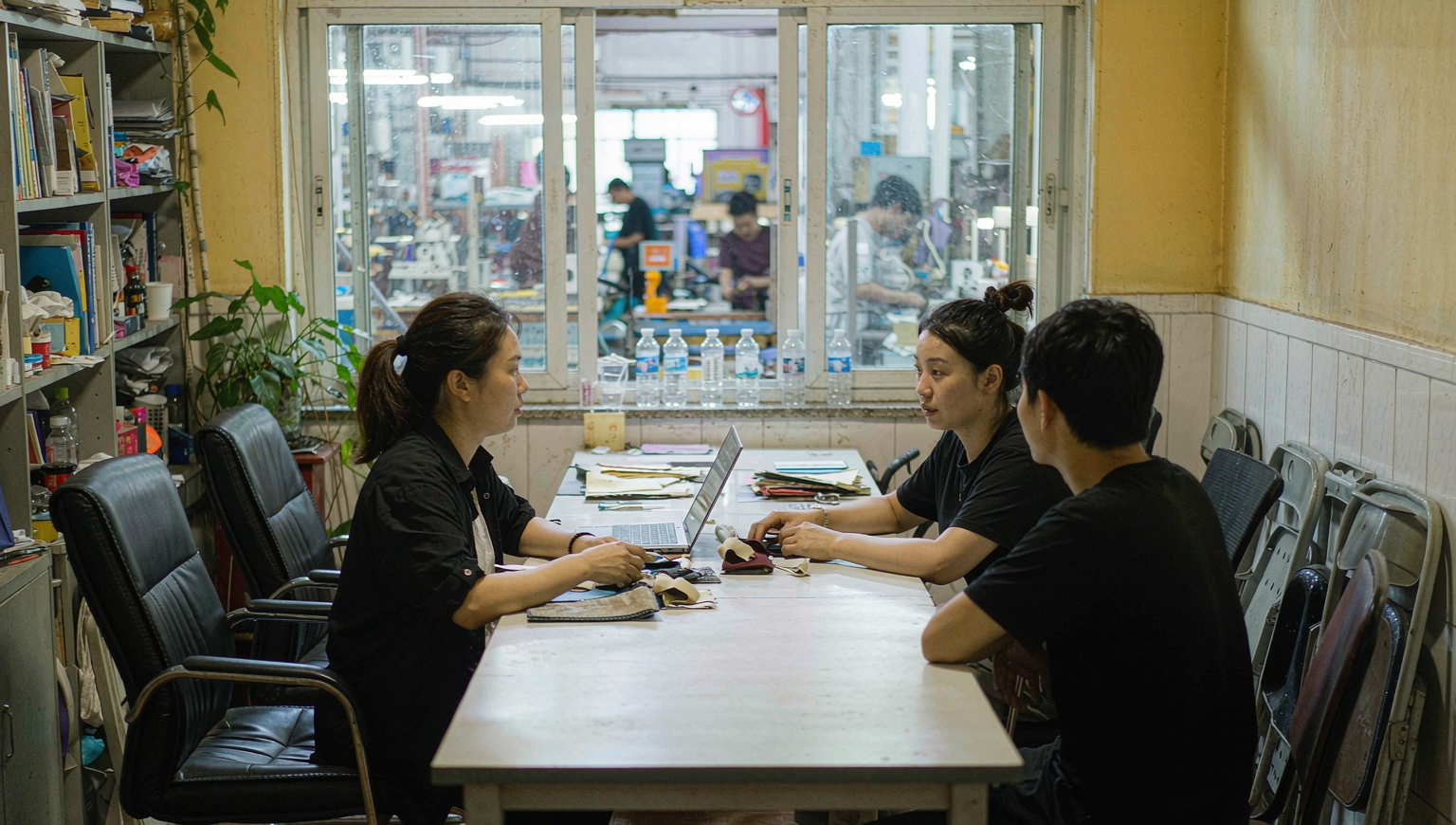
Focus on the following areas when evaluating potential replacements.
Production Capability
Can the factory manufacture your product according to the existing specifications? Does it have the necessary equipment, technical knowledge and production capacity?
Quality Standards
Can the new supplier meet your existing quality requirements? Review its quality inspection procedures, material standards and experience with similar products.
Production Capacity and Lead Time
Confirm the earliest possible production start date and whether the factory can handle your required order quantity.
Cost Structure
Do not compare unit prices alone. Consider tooling, packaging, materials, sampling, transportation and other expenses associated with transferring production.
Communication and Reliability
Evaluate response times, the clarity of explanations and whether the supplier can provide realistic delivery commitments.
Do not select a replacement factory simply because it promises the fastest delivery or the lowest quotation.
The real priority is finding a manufacturer that can consistently maintain quality and support your business over the long term.
How to Accelerate Supplier Evaluation During an Emergency
Under normal circumstances, businesses may spend several weeks comparing potential manufacturers. During an emergency, the screening process needs to move faster without skipping essential checks.
Request Initial Samples Within 48–72 Hours Where Feasible
For standard products, ask potential suppliers to provide existing samples or preliminary samples based on your specifications.
For customized products, ask the supplier to provide a realistic sampling timeline and clarify any tooling or material constraints.
Arrange a Live Video Factory Inspection
If an on-site visit is not immediately possible, request a live video walkthrough of the production lines, machinery, warehouse and relevant manufacturing areas rather than relying only on showroom photographs.
Verify Business Registration
Check the manufacturer’s business registration details and registered business scope before entering into a formal commercial relationship.
Prioritize a Small Trial Order
Do not place a full production order based only on samples. A small trial order helps evaluate actual production consistency, communication efficiency and the factory’s ability to meet delivery commitments.
Request Customer References Where Possible
Ask the supplier for references from existing customers, preferably businesses operating in similar product categories.
6. Transfer Production Without Compromising Quality
Transferring production to another factory is not simply a matter of sending the original purchase order to a new supplier.
Even when two factories manufacture the same product, their materials, equipment, processes and production methods may differ. These differences can affect final product quality.
A controlled transfer process helps reduce defects, customer complaints and rework costs.
Step 1: Prepare Complete Product Documentation
Provide the new factory with technical drawings, product specifications, material requirements, packaging details, approved samples and quality inspection standards.
Avoid arranging production based only on verbal instructions or incomplete product descriptions.
Before requesting quotations, make sure the product specifications are complete and the approved reference sample is clearly identified.
Step 2: Confirm Material Compatibility
Check whether the new factory’s material grades, components, product dimensions and production standards match those used by the original supplier.
If the new supplier proposes alternative materials, evaluate and approve them before starting mass production.
Do not approve substitute materials for production until samples have been reviewed and necessary test reports have been checked.
Step 3: Reproduce and Approve Samples
Request samples from the new factory and compare them with the previously approved reference samples.
Pay particular attention to dimensions, appearance, functionality, material quality and packaging.
Proceed to a trial order only after the new samples meet the approved reference sample requirements and agreed tolerances.
Step 4: Arrange a Small Trial Production Run
Before transferring a large purchase order, consider placing a small trial order.
This helps evaluate production stability, identify potential problems and confirm whether the new factory can meet the actual order requirements.
Do not scale up to a full purchase order until trial production quality and delivery performance have been evaluated.
Step 5: Establish Quality Inspection Procedures
Set appropriate quality inspection checkpoints during production and before shipment.
Do not assume that a new factory will automatically follow the same quality standards as the original supplier.
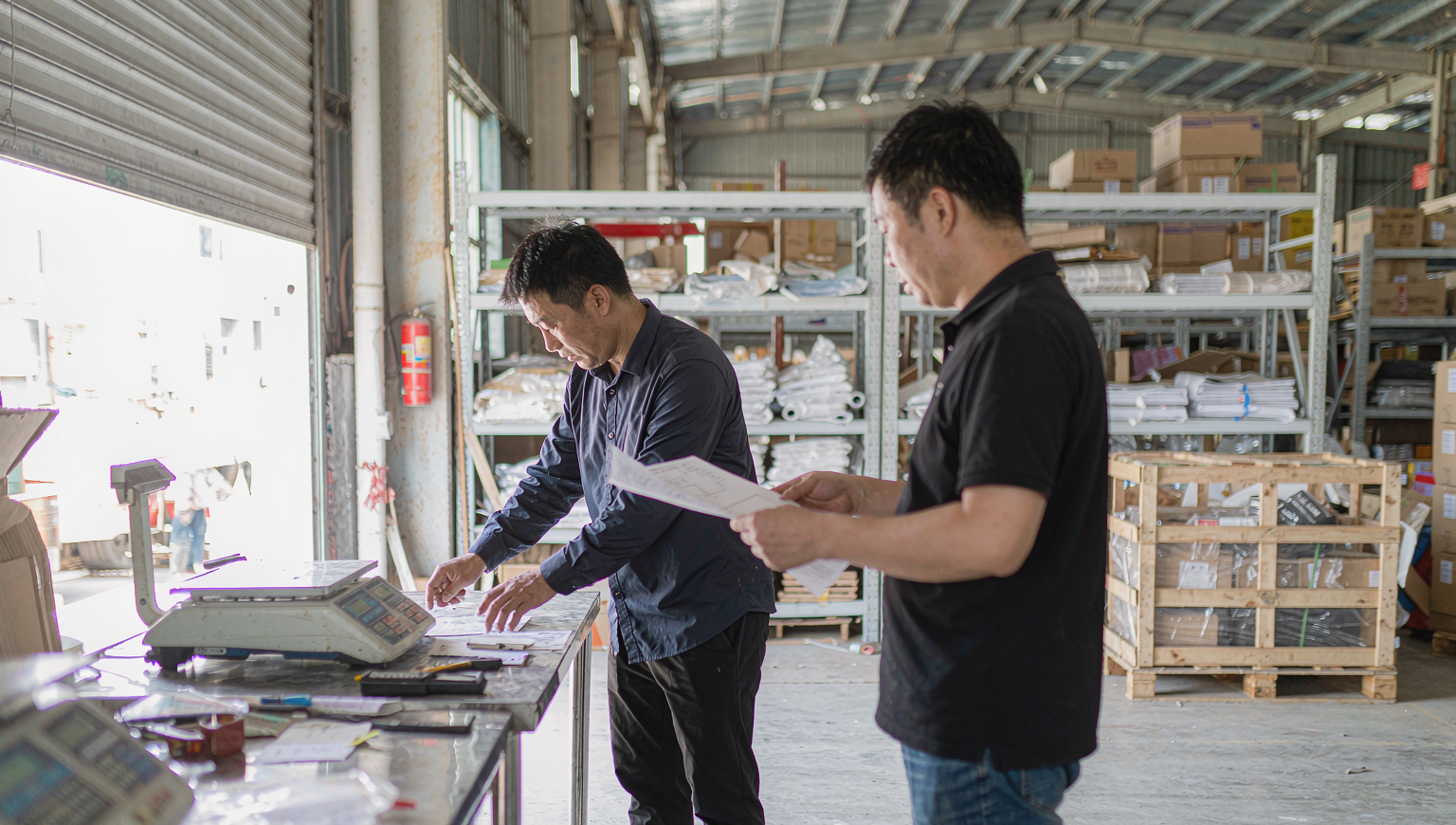
Do not approve final shipment until the agreed pre-shipment inspection has been completed and the results meet the approved AQL sampling plan and acceptance criteria, where applicable.
A properly managed production transfer can reduce product defects, customer complaints and unnecessary rework.
7. Manage the Financial and Commercial Consequences
The cost of a supplier shutdown can extend far beyond the value of the original purchase order.
Businesses may need to pay higher prices to secure urgent production capacity, arrange additional inspections or use more expensive transportation methods.
Other potential costs include:
- New tooling development or mold modification.
- Additional sampling and product testing.
- Packaging and labeling changes.
- Differences in raw material prices.
- Temporary warehousing and inventory management.
- Air freight or expedited transportation.
- Lost sales caused by inventory shortages.
Example: Comparing Original and Replacement Production Costs
Consider a business that planned to purchase 2,000 units at $8 per unit. The original product cost would have been $16,000.
After the original factory stops production, an alternative supplier quotes $9 per unit and requires an additional $1,000 for sampling, tooling adjustments and quality inspection.
Total estimated cost for 2,000 units, including additional expenses.
| Cost Item | Original Plan | Alternative Supplier |
|---|---|---|
| Order quantity | 2,000 units | 2,000 units |
| Unit price | $8.00 | $9.00 |
| Product cost | $16,000 | $18,000 |
| Additional expenses | — | $1,000 |
| Total cost | $16,000 | $19,000 |
The alternative production arrangement increases total costs by $3,000, or approximately 18.75%.
This example does not include expedited shipping expenses or potential lost sales.
It demonstrates that finding an alternative supplier can help maintain business operations, but it often comes with additional costs.
Emergency Sourcing vs. Maintaining a Backup Supplier
Businesses should compare the cost of emergency sourcing with the investment required to maintain an alternative supplier in advance.
| Cost Factor | Emergency Sourcing Without a Backup | Maintaining a Backup Supplier |
|---|---|---|
| Unit price premium | May increase significantly | Normal pricing or a modest premium for smaller orders |
| Tooling costs | May require urgent redevelopment | Can be prepared in advance |
| Sampling and inspection | Higher costs under time pressure | Can be scheduled normally |
| Expedited shipping | May be necessary | Usually less likely to be required |
| Risk of lost sales | Potentially high | Generally lower |
| Ongoing maintenance | No maintenance before a crisis | Trial orders, periodic evaluations and relationship management |
Backup suppliers are not completely free to maintain. Businesses may need to arrange occasional trial orders, sample approvals or factory evaluations.
However, these costs are often easier to control than the additional expenses associated with emergency sourcing, especially for products with long production lead times or significant sales volumes.
Identifying alternative suppliers in advance can reduce the financial pressure associated with emergency purchasing decisions.
8. Build a Backup Supplier Strategy Before Problems Occur
The most effective way to respond to a supplier shutdown is to prepare before it happens.
If your entire production operation depends on one manufacturer, your business is exposed to significant operational risk.
Building a backup supplier network does not mean placing orders with multiple factories every month. It means having alternative production options that can be activated when necessary.
Maintain Qualified Backup Suppliers
Identify at least one alternative manufacturer for your most important products.
Evaluate its production capacity, pricing, quality standards and communication before a disruption occurs, rather than beginning the search only after the original supplier stops production.
For particularly important products, consider maintaining two qualified alternatives when commercially practical.
Keep Product Documentation Complete
Organize and maintain product specifications, technical drawings, material requirements, packaging designs, approved samples and quality inspection reports.
These documents help a new factory take over production more quickly without repeating the entire product development process.
Monitor Supplier Performance and Early Warning Signs
Regularly evaluate delivery performance, product quality, communication efficiency and production capacity. Where information is available, also monitor indicators of financial stability.
Operational problems sometimes develop gradually. Recognizing early warning signs can help businesses identify potential risks before they become serious production disruptions.
Payment Pressure
A factory suddenly requests a higher deposit, earlier payments or changes to previously agreed payment terms. These changes may indicate cash flow pressure.
Labor-Related Signals
Delayed wage payments, employee protests or unusually high staff turnover may indicate operational or financial difficulties.
Pressure from Raw Material Suppliers
Raw material suppliers begin demanding advance cash payments or stop offering previously available credit terms.
Changes in Communication
Regular contacts begin avoiding questions, stop responding or are suddenly replaced without a reasonable explanation.
Repeated Production Delays
Minor delays become increasingly frequent and begin affecting the delivery of important orders.
Regulatory or Environmental Notices
Environmental inspections, production restrictions or compliance issues may reduce manufacturing capacity or lead to a temporary suspension.
Seasonal Production Risks
During Chinese New Year and the year-end period, labor availability, production schedules, cash flow and factory operating hours may be affected. Businesses should confirm holiday production arrangements and factory restart dates in advance.
Build and Regularly Update a Backup Supplier List
For critical products, maintain a list of evaluated alternative suppliers and record the following information:
- Current contact details.
- Product categories and manufacturing capabilities.
- Latest quotations and cost information.
- Sample approval status.
- Production lead times.
- Quality evaluation records.
- Date of the most recent factory evaluation.
Update the list regularly and arrange small trial orders when practical to maintain the business relationship.
A supplier that has never been tested through actual production and has never worked with your business may not be a reliable backup when an emergency occurs.
Frequently Asked Questions
1. What should I do first when my main supplier stops responding?
Contact the supplier in writing and request confirmation of its current production status, completed quantities and expected delivery dates.
At the same time, calculate your inventory coverage and identify customer orders that may be affected. Do not delay risk assessment while waiting for a response. The first 24–72 hours are particularly important.
2. How can I determine whether a supplier shutdown is temporary or permanent?
Temporary problems such as equipment failure or short-term material shortages may come with a clear and credible restart date.
Serious financial difficulties, regulatory shutdowns, business closures or the disappearance of key contacts require a more cautious response.
If the cause cannot be verified, do not rely solely on an uncertain restart date. Begin evaluating alternative suppliers at the same time.
3. Can I recover molds and raw materials from a factory that has stopped production?
This depends on asset ownership documents, contractual terms, payment status and applicable law.
If the contract clearly states that molds paid for by the buyer belong to the buyer, the buyer may have a stronger basis for addressing the issue.
If the factory disputes ownership or outstanding payments remain unresolved, recovery may require negotiation or legal procedures.
Keep written records and seek local legal or procurement support when necessary.
4. What should I do if I have already paid an advance to the supplier?
First, review the purchase contract, payment records and relevant order cancellation terms.
In some cases, asking the supplier to complete and deliver products that are already in production may be more realistic than requesting an immediate cash refund.
If the factory has entered insolvency proceedings, the advance payment may be affected by relevant insolvency and creditor procedures. Seek local legal advice as early as possible.
5. Should I wait for my original supplier to resume production?
Waiting may be reasonable only when the shutdown is temporary, the restart date is credible and existing inventory can support sales.
If the supplier has serious financial problems, faces a regulatory shutdown or remains unreachable, continuing to wait without an alternative plan may increase business losses.
6. How quickly can a new supplier start production?
This depends on product complexity, existing tooling, raw material availability and the factory’s current production schedule.
Standard products with existing molds may require only a few weeks for sampling and trial production. Customized products requiring new tooling or material development may take considerably longer.
Ask the supplier for a written production schedule and include a reasonable time buffer.
7. Is it necessary to maintain a backup supplier if I rarely use one?
For critical products with long production lead times, high sales volumes or strict seasonal deadlines, maintaining a backup supplier is often a valuable risk management investment.
The cost of occasional trial orders and supplier evaluations may be much lower than the additional expenses associated with emergency sourcing.
For low-risk products that are easy to source elsewhere, maintaining a well-researched list of alternative manufacturers may be sufficient.
8. What are the early warning signs of financial problems at a Chinese supplier?
Look for multiple warning signs rather than relying on a single incident.
Examples include sudden requests for higher deposits, delayed employee wages, raw material suppliers demanding advance payments, less transparent communication, repeated production delays and regulatory or environmental notices.
Regular supplier evaluations can help identify these issues before they develop into serious production disruptions.