CHINA SOURCING / COST MANAGEMENT
How to Calculate the True Cost of Sourcing Products from China
When sourcing products from China, many buyers focus on one number: the factory price. However, the factory price is only one part of the total sourcing cost. Packaging, product inspection, shipping, customs duties, and other expenses can significantly increase the final cost of your products.
OVERVIEW
Why the True Cost Matters
For Amazon sellers, eCommerce brands, wholesalers, and importers, understanding the true cost of sourcing products from China is essential for protecting profit margins and making better purchasing decisions.
In this guide, we explain the main costs involved in China sourcing, how to calculate your total landed cost, and how to avoid unexpected expenses.
The factory price is only one part of the total sourcing cost. A complete calculation must include development, packaging, inspection, freight, customs, and downstream operating expenses.
01 / FACTORY PRICE
Start with the Factory Price
The factory price is usually the starting point when requesting quotations from Chinese suppliers. It represents the price a supplier charges for manufacturing or supplying a product under the agreed specifications and commercial terms.
However, two suppliers quoting different prices may not be offering exactly the same product. Before comparing quotations, check the following details:
- Product materials and specifications
- Product dimensions, weight, and functionality
- Order quantity and minimum order quantity (MOQ)
- Packaging requirements
- Logo printing and customization
- Quality standards and acceptance criteria
- Incoterms and what is included in the quoted price
For example, one supplier may quote $3.00 per unit, while another offers $3.30. If the cheaper supplier uses different materials or includes less packaging, the lower quotation may not represent better value. Always compare equivalent products under the same requirements.
02 / PRODUCT DEVELOPMENT
Calculate Product Development and Customization Costs
If you are developing a private-label product or customizing an existing design, additional costs may apply before mass production begins.
Common expenses include:
- Product samples and sample shipping
- Mold or tooling fees
- Logo printing and product branding
- Custom packaging design
- Packaging plates, printing setup, or other setup fees
- Product testing and certification, where applicable
Not every order requires all these expenses. Standard products with existing designs may involve little or no development cost, while customized products can require a larger initial investment.
Development cost per unit = Total development cost / Order quantity. For example, if you spend $600 on product development and order 1,000 units, the development cost adds $0.60 per unit if you allocate the entire amount to that order.
If you expect to place repeat orders, you can also evaluate how development costs will be allocated across the expected production volume. Be sure to distinguish actual cash expenses from the accounting method used to allocate them.
03 / PACKAGING
Include Packaging and Labeling Costs
Packaging is often overlooked during the initial quotation stage, particularly by brands selling through Amazon or their own eCommerce websites.
Depending on your requirements, packaging costs may include:
- Individual product boxes or bags
- Custom-printed packaging
- Instruction manuals and inserts
- Barcode labels and SKU labels
- Shipping cartons
- Protective materials for fragile products
Consider a product with a factory price of $4.00 per unit. If customized packaging costs an additional $0.35 per unit, the product and packaging cost becomes $4.35 per unit before other expenses.
When requesting quotations, specify whether the quoted price includes standard packaging, custom packaging, labeling, and export cartons. This helps prevent unexpected charges after you approve the quotation.
04 / MOQ
Understand MOQ and Its Impact on Unit Cost
Minimum order quantity (MOQ) is the smallest order quantity a supplier is willing to accept under specified conditions.
A higher order quantity may reduce the unit price, but ordering more products does not automatically reduce your total business cost.
| Item | Order A | Order B |
|---|---|---|
| Order quantity | 500 units | 2,000 units |
| Unit price | $5.00 | $4.50 |
| Product cost | $2,500 | $9,000 |
Order B saves $0.50 per unit, but it requires an additional $6,500 in product expenditure.
Before increasing your order quantity, consider demand forecasts, inventory turnover, storage expenses, cash flow, and the risk of unsold stock. The right order quantity should balance unit cost with actual sales potential and inventory risk.
05 / QUALITY AND COMPLIANCE
Factor in Quality Inspection and Compliance Costs
Product quality problems can create costs far beyond the price of an inspection.
Depending on the product and destination market, you may need to budget for:
- Pre-production sample approval
- During-production inspections
- Pre-shipment inspections
- Product testing and certification
- Factory audits, where appropriate
- Rework, replacement, or additional inspection if defects are found
The exact requirements depend on your product category, sales market, and applicable regulations. Do not assume that every product requires the same certificates or tests.
For example, a batch of 1,000 products may pass a basic visual inspection but still have functional defects that affect customer satisfaction and return rates. An inspection cannot eliminate every risk, but it can help identify problems before the goods leave the factory, when corrective action may be easier and less expensive.
When calculating sourcing costs, include the expected inspection and compliance expenses rather than treating them as optional afterthoughts.
06 / SHIPPING AND LOGISTICS
Calculate Shipping and Logistics Costs
Shipping can be a significant part of the total cost, especially for products that are heavy, bulky, fragile, or relatively inexpensive.
Common logistics expenses include:
- Domestic transportation from the factory to a warehouse or port
- Export handling and documentation
- International freight
- Cargo insurance, where applicable
- Port, terminal, and destination handling charges
- Customs brokerage
- Final delivery to your warehouse or fulfillment center
The actual charges depend on the shipping method, shipment size, destination, service scope, and agreed Incoterms.
Sea freight is often considered for larger shipments, while air freight may be suitable for urgent or relatively lightweight goods. Express shipping can be useful for samples and small shipments but may be expensive for commercial orders.
When comparing shipping quotations, confirm exactly which services and charges are included. A low freight quotation may exclude destination handling, customs clearance, or final delivery.
FOB vs. EXW: Why the Quoted Price Matters
EXW and FOB quotations cover different responsibilities and cost arrangements.
Under EXW, the buyer generally takes responsibility for arranging transportation from the agreed collection point, subject to the precise contractual terms.
Under FOB, the seller generally handles the required export formalities and delivers the goods on board the nominated vessel at the specified port, under the applicable Incoterms rules.
Consequently, an EXW quotation and an FOB quotation should not be compared as if they cover the same services. Always identify the named place or port, the applicable Incoterms version, and the costs that remain your responsibility.
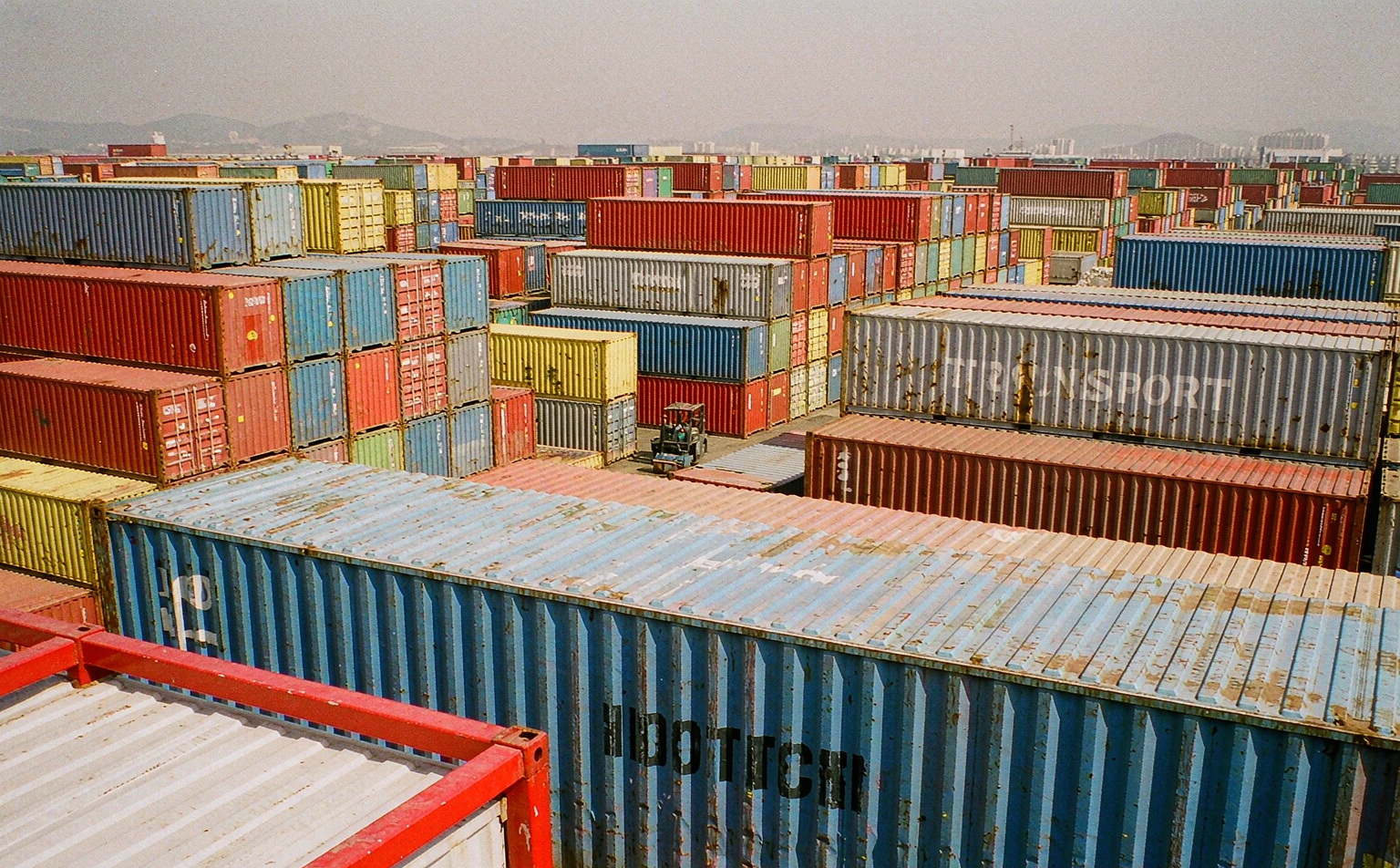
International freight and port handling are major components of total landed cost.
07 / IMPORT CHARGES
Add Customs Duties, Taxes, and Import Charges
The cost of importing products does not end when the goods arrive at the destination country.
Depending on the destination and product classification, additional expenses may include:
- Customs duties
- Import taxes, such as VAT or GST
- Customs clearance fees
- Import processing charges
- Product-specific regulatory or inspection fees
The applicable duty rate depends on factors such as the product’s tariff classification, country of origin, destination, and any relevant trade measures or preferential arrangements. Do not assume that all products imported from China have the same duty rate.
Before placing an order, confirm the likely tariff classification and applicable charges with a qualified customs broker or the relevant customs authority. Also distinguish recoverable import VAT from a true business expense where local tax rules permit recovery.
Planning these expenses in advance helps you estimate the final cost more accurately.
08 / HIDDEN COSTS
Don’t Forget Warehousing and Other Hidden Costs
Even after customs clearance, additional expenses may arise before your products are ready for sale.
Depending on your business model, these may include:
- Warehouse receiving and storage
- Inventory handling and preparation
- Amazon FBA preparation and labeling
- Domestic delivery to fulfillment centers
- Financing costs associated with inventory
- Currency conversion and international payment fees
- Returns, defects, and product replacement allowances
Some of these costs are direct import expenses, while others are downstream operating costs. Keeping them separate makes it easier to understand both the landed cost of your goods and the profitability of your business.
For eCommerce brands, the distinction is particularly important. A product may have a competitive landed cost but still generate a low profit after fulfillment fees, advertising, returns, and marketplace commissions.
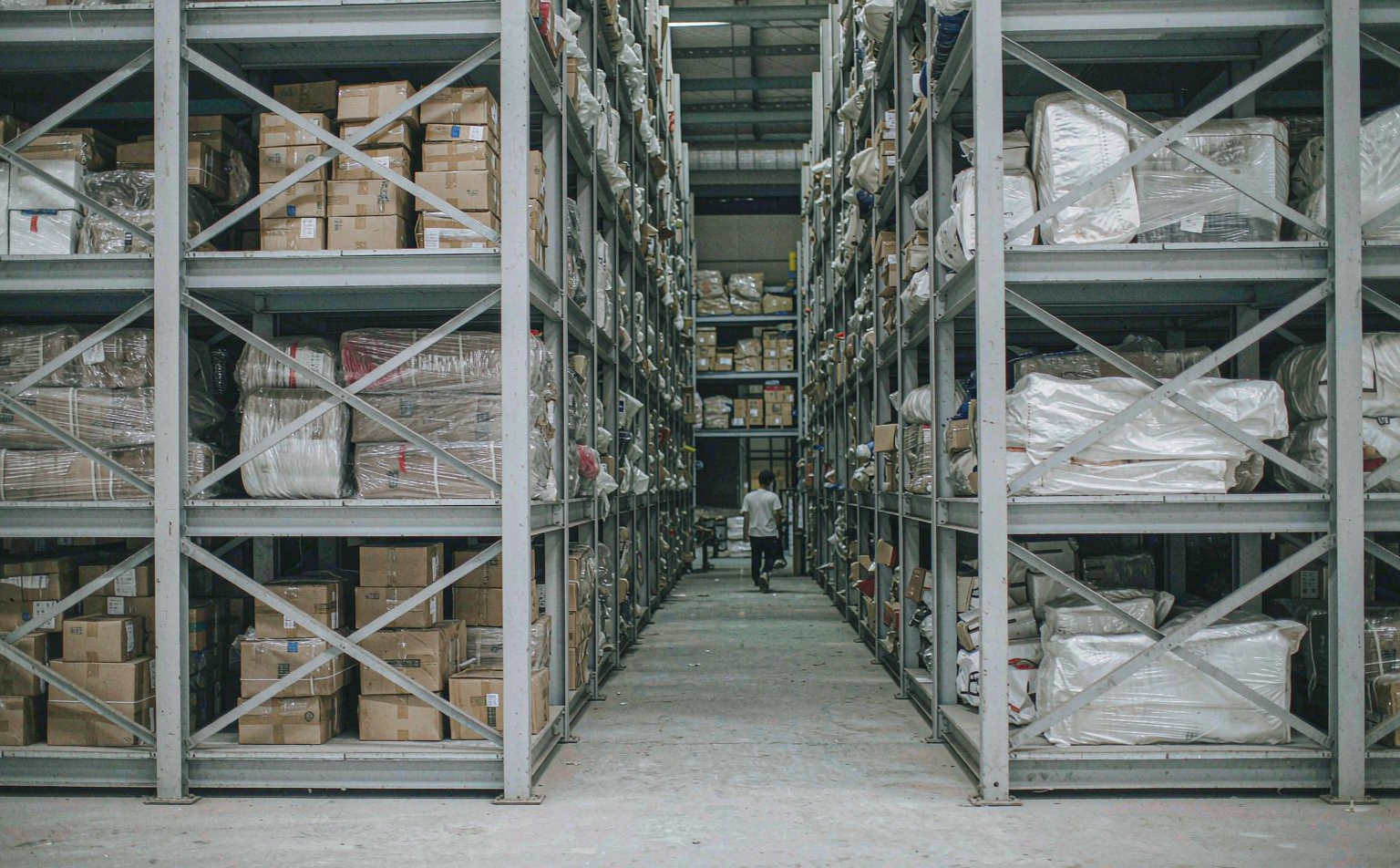
Warehousing, handling, and fulfillment costs often appear only after the goods arrive.
09 / TOTAL LANDED COST
How to Calculate the Total Landed Cost
The landed cost is the total cost of getting imported goods to a defined destination, such as your warehouse, including the relevant product, logistics, and import expenses.
Total landed cost = Product cost + Development and packaging costs + Inspection and compliance costs + Freight and insurance + Import duties and non-recoverable taxes + Customs and destination charges
If you also want to evaluate the cost of preparing products for sale, add the relevant warehouse, handling, and fulfillment preparation expenses.
Landed cost per unit = Total landed cost / Number of usable units received. Using the number of usable units is important if some products are damaged, defective, or otherwise unsellable.
Example: Calculating the Cost of a 1,000-Unit Order
The following example is illustrative only. Actual costs vary by product, supplier, shipment, and destination.
| Cost item | Example cost |
|---|---|
| Product cost: 1,000 x $4.00 | $4,000 |
| Custom packaging: 1,000 x $0.30 | $300 |
| Product development | $200 |
| Inspection and testing | $150 |
| Freight and insurance | $850 |
| Customs duties and non-recoverable import taxes | $500 |
| Customs clearance and destination charges | $200 |
| Total landed cost | $6,200 |
Although the factory price is only $4.00 per unit, the landed cost is $6.20 per unit. That is a difference of $2.20 per unit, or 55% above the original factory price. If you price your products based only on the factory quotation, you may significantly overestimate your profit margin.
The figures above are not a quotation or a standard cost estimate. For an actual order, replace each figure with confirmed supplier, freight, customs, and service quotations.

A detailed cost breakdown helps identify where the money actually goes beyond the factory price.
10 / COST REDUCTION
How to Reduce China Sourcing Costs Without Sacrificing Quality
Reducing sourcing costs does not necessarily mean finding the cheapest supplier. In many cases, the better approach is to improve the entire purchasing process.
Compare suppliers on a like-for-like basis
Request quotations using the same product specifications, packaging requirements, order quantities, and delivery terms. This makes differences in pricing easier to understand.
Negotiate based on realistic order volumes
Discuss tiered pricing, repeat-order terms, and consolidated purchasing where appropriate. Avoid ordering excess inventory simply to qualify for a lower unit price.
Review product and packaging design
Small changes to packaging dimensions, materials, or product construction may reduce production or transportation costs without affecting essential product performance.
Identify quality problems before shipment
Clear specifications, approved samples, and appropriate inspections can help reduce the risk of expensive rework, returns, and replacement shipments.
Compare the complete logistics cost
Evaluate the total cost of transportation and delivery rather than comparing international freight rates alone.
Coordinate multiple suppliers when practical
For businesses purchasing different products from several factories, coordinated production schedules, quality inspections, and shipment consolidation may improve efficiency. However, consolidation should be assessed against additional handling, storage, and timing costs.
11 / SOURCING AGENTS
When Does Working with a China Sourcing Agent Make Sense?
Managing suppliers directly can work well when your product range is limited, your team has reliable local contacts, and you have sufficient time and experience to oversee purchasing and quality.
However, as your business grows, coordinating multiple factories, comparing quotations, tracking production, checking quality, and managing shipping can become increasingly complex.
A China sourcing agent may help with:
- Supplier research and factory evaluation
- Quotation comparison and negotiation
- Sample coordination and product development
- Production follow-up
- Quality inspection coordination
- Packaging and order consolidation
- Shipping coordination and supplier communication
The value of a sourcing partner should be evaluated against its service fees, the scope of work, and the potential benefits to your overall procurement process.
A lower factory price is not necessarily a better outcome if it comes with higher defect rates, unreliable delivery, or expensive corrective work. A good sourcing process focuses on the total cost, product quality, supply reliability, and long-term business needs.
CONCLUSION
Make Sourcing Decisions Based on the Full Cost
Calculating the true cost of sourcing products from China requires more than checking the factory price.
Product development, packaging, quality inspection, shipping, customs duties, and other expenses all influence your final cost. By identifying these expenses before placing an order, you can compare suppliers more accurately, protect your margins, and make better purchasing decisions.
For growing eCommerce brands, Amazon sellers, wholesalers, and importers, a clear landed-cost calculation is an important step toward building a more reliable and profitable supply chain.
At JACKHOO SOURCING, we help businesses manage China sourcing, supplier coordination, product development, and quality control. If you are planning a new order or reviewing your current sourcing costs, contact our team to discuss your product requirements and procurement needs.
Make your sourcing decisions based on the full cost, not just the factory price.
JACKHOO SOURCING
Need Help Calculating Your True Sourcing Costs?
JACKHOO SOURCING supports businesses with supplier sourcing, product development, production follow-up, quality inspection, and supply chain coordination in China.
Explore Our Sourcing ServicesIllustrative examples are provided for planning purposes. Actual sourcing costs, landed costs, and savings depend on product specifications, supplier terms, freight rates, customs regulations, and local tax rules.