How to Turn a One-Time Factory Order into a Long-Term Supply Partnership
Many businesses treat a factory order as a transaction: agree on the specifications, pay the deposit, complete production, and arrange shipment. Once the goods arrive, the purchasing process is considered finished.
However, businesses that rely on repeat orders need a different approach. A factory that performs well on one order does not automatically become a reliable long-term supplier. Consistent results require clear standards, regular communication, performance monitoring, and a shared understanding of future demand.
Turning a one-time order into a long-term supply partnership is not simply about placing more orders with the same factory. It is about creating a working relationship that improves product consistency, reduces operational uncertainty, and supports business growth.
Evaluate the First Order Beyond Product Quality
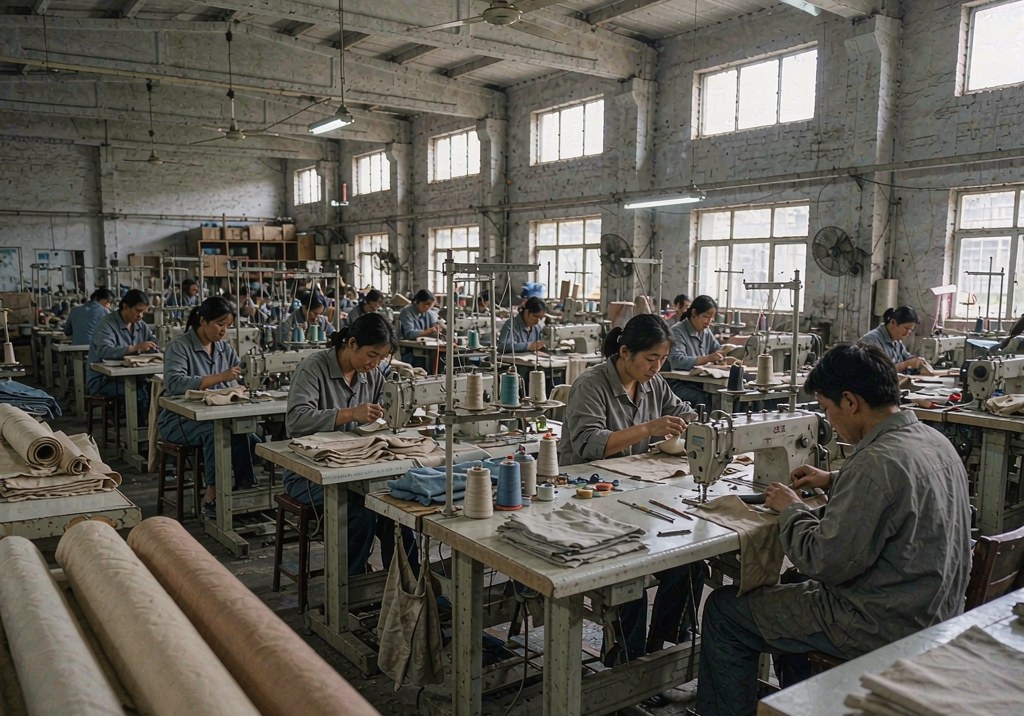
Before placing a repeat order, review the entire first-order experience. Product quality is important, but it is only one part of supplier performance.
A factory may deliver acceptable products while still creating problems through delayed communication, unclear production updates, inconsistent packaging, or missed shipping deadlines.
What Should You Review?
- Product quality: Did the finished products match the approved samples and specifications?
- Production timing: Was the order completed within the agreed production schedule?
- Communication: Did the supplier respond promptly and provide accurate updates?
- Packaging: Were labels, cartons, barcodes, and packaging details handled correctly?
- Problem resolution: How did the factory respond when issues appeared?
- Cost accuracy: Were the final charges consistent with the original quotation?
Documenting these points after the first order creates a useful reference for future purchasing decisions. It also helps identify what needs to improve before the next production run.
Establish Clear Standards Before Placing Repeat Orders
One common cause of problems with repeat orders is the assumption that the factory already understands the product requirements.
Even if the first order was successful, specifications can become unclear when different employees handle purchasing, production, and quality inspection. Small changes in materials, dimensions, colors, or packaging may create noticeable differences between batches.
Create a Standard Product Specification File
Before confirming another order, prepare or update a specification document containing:
- Product dimensions, materials, colors, and weight.
- Approved samples and reference photographs.
- Functional and performance requirements.
- Acceptable quality tolerances.
- Packaging specifications and labeling requirements.
- Barcode, carton, and shipping-mark details.
- Applicable testing and compliance requirements.
Both parties should confirm the latest version before production begins. If any specification changes, the revised document should clearly identify what has changed and when the change takes effect.
Build a Consistent Quality Control System for Repeat Orders
A product passing inspection once does not guarantee that the next batch will meet the same standards. Material suppliers, production workers, equipment settings, and manufacturing conditions can change between orders.
For long-term cooperation, quality control should become a repeatable process rather than a one-time inspection before shipment.
Use Three Quality Control Checkpoints
Pre-Production Check
Confirm materials, components, approved samples, specifications, and production requirements before mass manufacturing begins.
During Production Inspection
Check early production output to identify defects, incorrect materials, assembly problems, or deviations before they affect the entire order.
Pre-Shipment Inspection
Inspect finished goods, packaging, labeling, quantities, and order specifications before shipment is approved.
Record Inspection Results for Every Batch
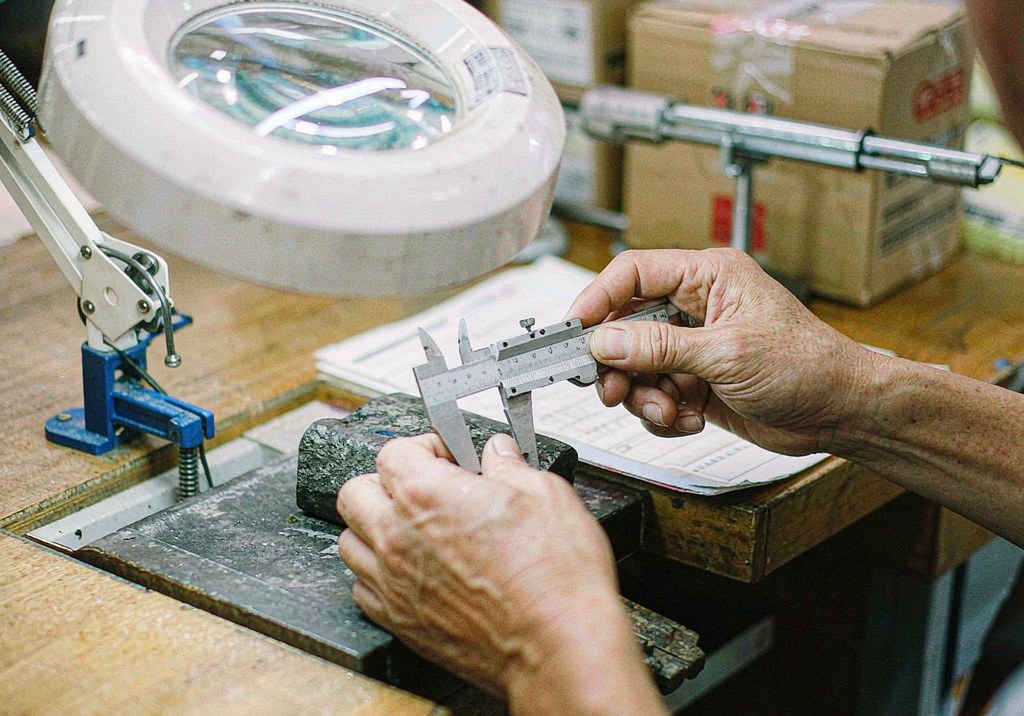
Inspection records make it easier to identify recurring issues and compare quality performance between orders. Useful records include:
- Inspection date and batch identification.
- Sample size and inspection method.
- Defect categories and defect quantities.
- Photographs or videos of identified problems.
- Corrective actions and re-inspection results.
For suitable products, buyers can establish an agreed inspection plan using recognized sampling standards such as ISO 2859-1. The appropriate sampling level and acceptance criteria should be agreed upon according to product risk and customer requirements.
Improve Communication Through Structured Updates
Communication problems can create unnecessary delays even when a factory has sufficient production capacity and technical ability.
For example, a buyer may expect production to be completed within 25 days, while the factory assumes that the deadline is flexible. If neither party confirms the schedule, the misunderstanding may only become obvious when shipment is already at risk.
Set a Simple Communication Routine
| Communication Stage | Information to Confirm |
|---|---|
| Order Confirmation | Specifications, quantities, price, payment terms, and delivery schedule. |
| Production Start | Material availability, production arrangements, and expected completion date. |
| Production Updates | Progress, potential delays, quality issues, and changes to the schedule. |
| Before Shipment | Inspection results, packing details, final quantities, and shipping documents. |
| After Delivery | Product feedback, customer complaints, and improvement requirements. |
For regular orders, a weekly production update can be useful. The update does not need to be complicated. A short report covering completed work, pending tasks, potential risks, and expected completion dates is often sufficient.
It is also important to identify the main contact person on both sides. Having clear responsibility reduces the risk of information being lost between purchasing, production, and quality control teams.
Share Demand Forecasts and Plan Production Ahead
Factories can usually plan resources more effectively when they have a reasonable understanding of future demand.
Buyers do not need to guarantee every forecasted quantity. However, sharing estimated purchasing plans can help suppliers prepare raw materials, arrange production capacity, and identify possible scheduling conflicts earlier.
What Information Should You Share?
- Estimated monthly or quarterly purchasing quantities.
- Expected peak-season demand.
- Potential repeat-order dates.
- New product launches or planned product changes.
- Expected packaging or labeling updates.
- Important delivery deadlines.
For example, an e-commerce brand expecting a significant increase in sales before a seasonal promotion should discuss its production requirements with the factory well in advance.
Better forecasting benefits both sides: buyers gain more control over inventory planning, while factories have more time to organize materials and production schedules.
Negotiate Sustainable Pricing Instead of Chasing the Lowest Unit Cost
Once a factory relationship becomes more stable, buyers may have opportunities to negotiate better commercial terms. However, focusing only on the lowest unit price can create problems if it leads to reduced material quality, weaker quality control, or less reliable production arrangements.
A more useful approach is to evaluate the total cost of purchasing and operating the supply chain.
Compare the Total Cost, Not Just the Quotation
Consider the following simplified example. Two suppliers offer the same product for an order of 10,000 units.
Lower Unit Price
Unit price
Order value: $45,000
Defect rate: 5%
Defective units: 500
Value of defective units: $2,250
Better Quality Result
Unit price
Order value: $46,500
Defect rate: 1%
Defective units: 100
Value of defective units: $465
| Cost Comparison | Supplier A | Supplier B |
|---|---|---|
| Order Quantity | 10,000 units | 10,000 units |
| Unit Price | $4.50 | $4.65 |
| Total Purchase Value | $45,000 | $46,500 |
| Defective Units | 500 | 100 |
| Value of Defective Units | $2,250 | $465 |
Supplier B charges $0.15 more per unit, but the value of defective products is $1,785 lower in this simplified example.
Other Commercial Terms Worth Discussing
- Volume-based pricing for confirmed order quantities.
- More flexible payment terms as cooperation develops.
- Stable pricing periods for planned repeat orders.
- Packaging or material cost optimization.
- Production scheduling arrangements for regular customers.
- Clear responsibility for defective products and rework.
The objective should be to build a cost structure that works for both sides. A sustainable commercial relationship is generally more valuable than repeatedly pushing a supplier to accept prices that cannot support consistent production.
Manage Problems Through Corrective Actions, Not Repeated Complaints
Even reliable factories can experience production issues. The difference between a temporary problem and a recurring supply chain problem often depends on how the issue is handled.
When a defect or delivery problem occurs, buyers should focus on identifying the cause, agreeing on corrective actions, and verifying whether the solution works.
Use a Structured Problem-Solving Process
Document the Issue
Record the affected product, batch, defect type, quantity, photographs, and relevant inspection findings.
Find the Root Cause
Determine whether the problem came from materials, production processes, worker instructions, specifications, or packaging.
Agree on Corrective Actions
Define what needs to change, who is responsible, and when the action should be completed.
Check the Results
Inspect the corrected products or subsequent production batches to confirm that the issue has been addressed.
For recurring or serious problems, buyers may use a formal Corrective and Preventive Action (CAPA) report. This creates a written record of the issue, root cause, corrective measures, responsible parties, and verification results.
Measure Supplier Performance with a Practical Scorecard
Personal impressions are not always enough to evaluate whether a factory is becoming a better long-term supplier. A simple supplier scorecard helps buyers compare performance across multiple orders and identify areas that need improvement.
The following is an example of a weighted supplier evaluation model.
How to Calculate the Score
Rate each category on a scale from 1 to 5, where 1 represents poor performance and 5 represents excellent performance.
Add the weighted scores from all six categories to calculate the supplier’s total score out of 100.
| Total Score | Suggested Evaluation | Recommended Action |
|---|---|---|
| 90–100 | Excellent | Consider expanding cooperation. |
| 75–89 | Good | Continue cooperation and monitor performance. |
| 60–74 | Needs Improvement | Agree on specific improvement actions. |
| Below 60 | Unsatisfactory | Review the supplier relationship and alternatives. |
These score ranges are suggested internal management guidelines, not universal industry standards. Buyers should adjust the weights and evaluation thresholds according to product risk, business priorities, and supplier responsibilities.
Review the scorecard after each major order or at regular intervals. This makes supplier evaluation more objective and helps identify performance trends before they become serious problems.
Expand Cooperation Without Creating Supply Chain Dependency
Once a factory has demonstrated reliable performance, it may be tempting to move more products and purchasing volume to that supplier. Expanding cooperation can improve purchasing efficiency, simplify communication, and create opportunities for better commercial terms.
However, relying too heavily on one factory can also create business risks.
Maintain a Balanced Supplier Structure
- Identify alternative factories for critical products where practical.
- Keep updated specifications and approved samples accessible.
- Understand the supplier’s production capacity and limitations.
- Monitor changes in raw material availability and lead times.
- Avoid allowing one supplier to become the only source of essential products without a contingency plan.
- Protect confidential designs, tooling arrangements, and intellectual property through appropriate agreements.
Not every product requires multiple suppliers. For products with unique tooling, specialized production processes, or strict qualification requirements, maintaining a backup source may be difficult or expensive.
The important point is to understand the risks and prepare appropriate alternatives where the potential business impact justifies the investment.
Create a Practical 90-Day Supplier Partnership Plan
Building a long-term factory relationship does not happen through one conversation. It requires a series of practical steps that gradually improve cooperation.
The following 90-day plan provides a simple framework for turning an initial order into a more structured supplier relationship.
Phase 1 / Establish the Foundation
Review the first order, evaluate supplier performance, document product specifications, and identify any quality or communication issues.
- Complete the first-order performance review.
- Confirm approved samples and product standards.
- Set communication responsibilities.
- Document outstanding issues.
Phase 2 / Improve Cooperation
Introduce a repeatable quality control process, improve production updates, and discuss opportunities for cost or operational improvements.
- Implement inspection checkpoints.
- Review corrective actions.
- Discuss production capacity and lead times.
- Compare actual costs with initial quotations.
Phase 3 / Build the Long-Term Plan
Evaluate progress, share demand forecasts, review commercial terms, and decide whether to increase purchasing volume or expand cooperation.
- Complete a supplier performance scorecard.
- Discuss future purchasing requirements.
- Agree on improvement targets.
- Identify supply chain risks and backup options.
90-Day Partnership Review Checklist
- Product specifications and approved samples are documented.
- Quality inspection requirements are clearly defined.
- Production updates and communication responsibilities are established.
- Supplier performance has been reviewed using measurable criteria.
- Recurring problems have corrective action records.
- Future purchasing requirements have been discussed.
- Commercial terms have been reviewed based on actual performance.
- Potential supply chain risks have been identified.
At the end of the 90 days, buyers should have a clearer understanding of whether the factory is suitable for long-term cooperation and what needs to happen next.
Final Thoughts
Turning a one-time factory order into a long-term supply partnership requires more than simply maintaining contact with a supplier. It involves building a structured working relationship based on clear expectations, consistent quality standards, reliable communication, and measurable performance.
Buyers should evaluate suppliers beyond their initial quotations, establish repeatable quality control procedures, share realistic demand forecasts, and address problems through corrective actions. Regular performance reviews also help both parties understand where cooperation is working and where improvements are needed.
Most importantly, a long-term supplier relationship should create value for both sides. When buyers provide clearer requirements and better planning, and factories respond with consistent production and dependable service, the relationship can become more efficient and sustainable over time.
Frequently Asked Questions
How many orders should a buyer place before considering a factory a long-term supplier?
There is no fixed number. Buyers should evaluate product consistency, delivery performance, communication, problem resolution, and the factory’s ability to meet future requirements across multiple production cycles. A successful first order is a positive starting point, but it is not enough on its own to establish long-term reliability.
How can buyers maintain consistent quality across repeat orders?
Use approved samples, written product specifications, agreed inspection criteria, and documented quality control procedures. Pre-production, during-production, and pre-shipment checks can help identify problems at different stages. Inspection records should also be reviewed between orders to identify recurring defects.
Should buyers continue working with a factory that has quality problems?
It depends on the severity, frequency, and cause of the problems, as well as the factory’s willingness and ability to correct them. Buyers should document issues, request root-cause analysis, agree on corrective actions, and verify the results. Repeated serious failures without meaningful improvement may justify finding an alternative supplier.
How often should supplier performance be reviewed?
For regular purchasing, buyers can review performance after each major order and conduct a more comprehensive evaluation quarterly. The review frequency should reflect order volume, product risk, and the importance of the supplier to the business.
Is it better to use one factory for all products or work with multiple suppliers?
Neither approach is universally better. Consolidating products with one factory may simplify communication and logistics, while multiple suppliers can reduce dependency and provide access to specialized production capabilities. Buyers should consider product compatibility, quality requirements, costs, and supply chain risks before deciding.
How can buyers negotiate better prices with an existing factory?
Use actual purchasing data, confirmed order volumes, realistic demand forecasts, and a clear understanding of material and production costs. Buyers can also discuss packaging optimization, production scheduling, payment arrangements, and volume-based pricing. Sustainable pricing should support consistent quality and reliable production.
What should buyers do if a factory changes materials or production processes without approval?
Request an explanation, assess the impact on product quality and compliance, and document the unauthorized change. Where necessary, suspend approval of the affected batch until the issue is resolved. Future material or process changes should require prior written approval and updated specifications.
Can a sourcing partner help manage long-term factory relationships?
Yes. A sourcing partner can help coordinate factory communication, verify product specifications, monitor production progress, arrange inspections, manage packaging requirements, and follow up on corrective actions. This can be particularly useful for overseas buyers who do not have a local team in the manufacturing market.
Build a More Reliable Supply Chain with Better On-the-Ground Coordination
Managing factories from overseas can make it difficult to monitor production, maintain consistent quality standards, and coordinate multiple suppliers. JACKHOO SOURCING supports international businesses with factory sourcing, supplier coordination, product development, quality inspections, packaging management, and shipment coordination in China.
Whether you are preparing your first large purchase order or improving an existing supplier network, our team can help you manage key steps throughout the sourcing and production process.
EXPLORE JACKHOO SOURCING →