When Should an E-commerce Brand Move from Small Orders to Custom Manufacturing?
A practical guide to evaluating demand, minimum order quantities, development costs, cash flow, and inventory risk before investing in custom products.
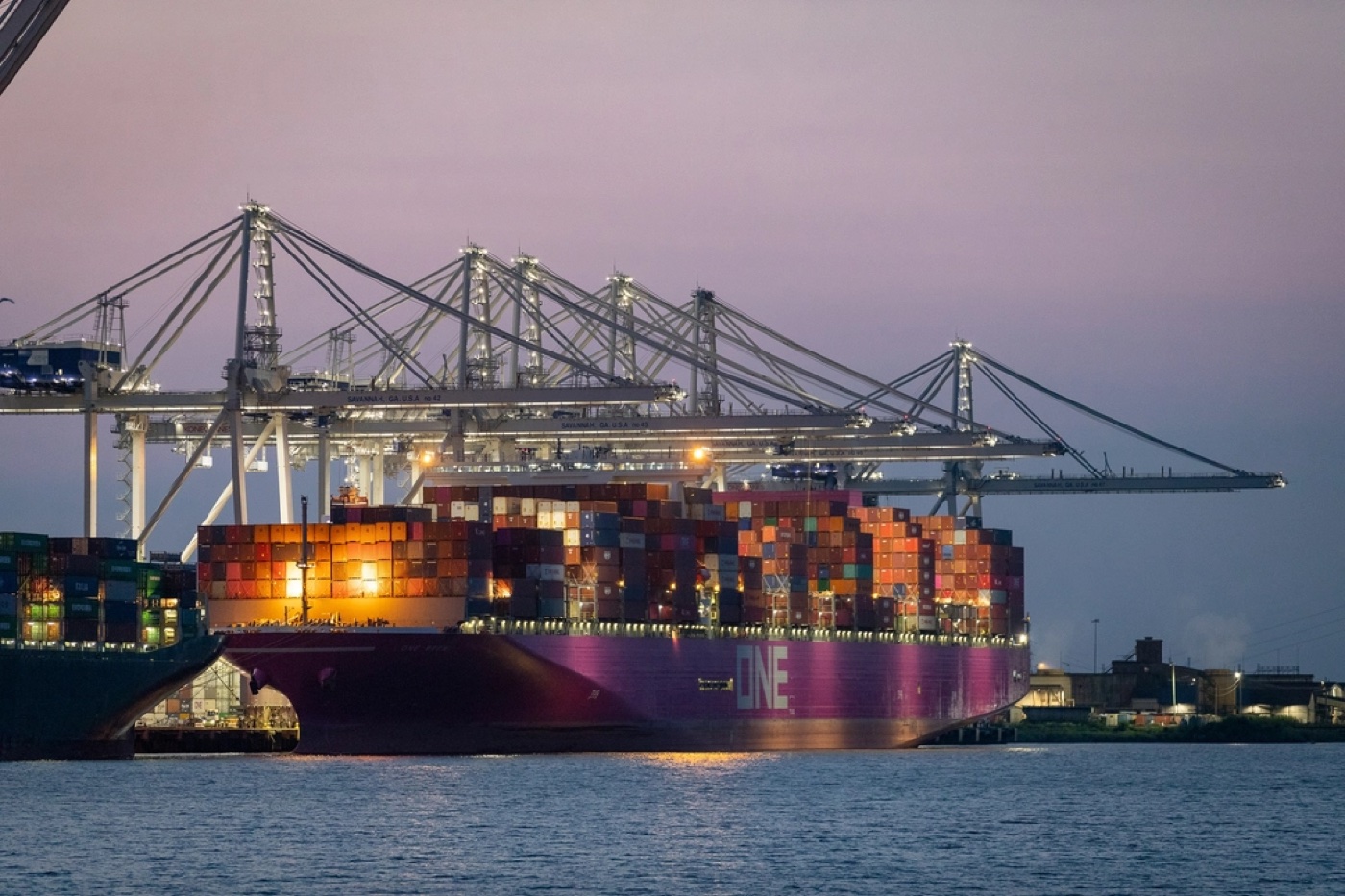
For e-commerce brands, small-order purchasing is a flexible way to test market demand, control initial inventory, and limit the financial pressure of launching a new product.
However, as a business grows, standard products may no longer meet its needs. Product similarity, limited margins, inconsistent supply, and a lack of differentiation can all make custom manufacturing worth considering.
The key question is not simply whether sales have increased. It is whether demand, product competitiveness, costs, order quantities, cash flow, and supply chain capabilities justify the investment.
This guide explains six signs that your brand may be ready to move beyond standard products, how to evaluate different levels of customization, and what to prepare before starting production.
1. Small Orders vs. Custom Manufacturing: What’s the Difference?
Before making a decision, understand how these two purchasing models differ. The right choice depends on your product, order volume, budget, and stage of business development.
| Factor | Small-Order Purchasing | Custom Manufacturing |
|---|---|---|
| Product selection | Existing, standard products | Products modified or developed to meet brand requirements |
| Initial investment | Generally lower | May include development, tooling, and sampling costs |
| Minimum order quantity | Often more flexible, depending on the supplier | May require a specific production quantity |
| Differentiation | Often limited by existing designs | Can be built through design, materials, features, and usability |
| Development time | Usually shorter | Requires additional development, sampling, and approval |
| Unit cost | May be higher at low quantities | May decrease at scale, but savings are not guaranteed |
| Inventory risk | Generally easier to limit | Can increase if demand forecasts are inaccurate |
Custom manufacturing does not necessarily mean designing a product from scratch. A brand can begin with packaging, colors, materials, accessories, or selected feature changes.
For many growing e-commerce businesses, increasing customization gradually is more manageable than committing to a completely new product design immediately.
2. Six Signs Your Brand May Be Ready for Custom Manufacturing
Sign 1: Demand Has Been Consistent Over Time
If a product has maintained demand across multiple sales cycles, continuing to purchase standard products may no longer be your only option.
Consistent sales data can help you determine:
- Whether the product has a stable target customer base.
- Whether sales depend heavily on discounts or promotions.
- Which product sizes, colors, or features customers prefer.
- Whether future replenishment needs can be forecast reasonably.
A short-term sales increase is not enough to prove that a product is ready for customization. Seasonal demand, changes in advertising, and competitor stockouts can all create temporary growth.
Before investing in custom development, review multiple sales cycles, inventory turnover, and actual profitability.
Sign 2: Standard Products Are Limiting Your Competitive Advantage
When many sellers offer similar products, competing on price alone can make it difficult to maintain a long-term advantage.
You may notice that:
- Competitors sell products with nearly identical designs.
- Existing features do not fully meet customer needs.
- Customer feedback repeatedly identifies specific design problems.
- Your brand lacks recognizable product features.
- Price competition is putting pressure on margins.
Custom manufacturing can help brands differentiate through structure, materials, functionality, packaging, or user experience.
For example, a pet product brand might improve a grooming brush’s handle, grip, or bristle configuration to address customer feedback. It does not necessarily need to develop an entirely new product.
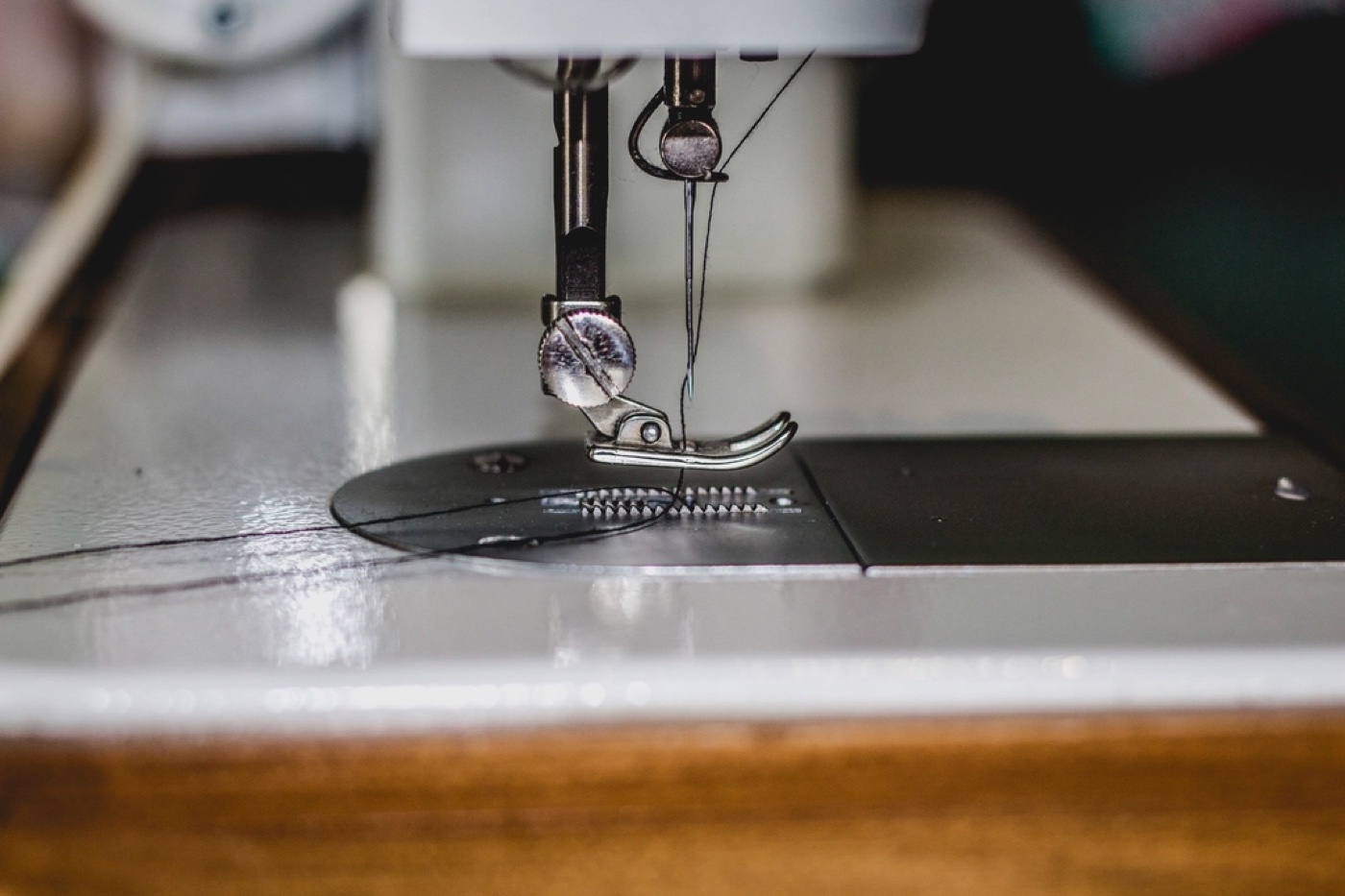
Key principle: Customization should solve a clear customer problem, not simply make a product look different.
Sign 3: Your Sales Potential Can Justify the Investment
Custom manufacturing can involve additional expenses, including product development, tooling, samples, testing, packaging design, and initial inventory.
Before committing, estimate whether the expected sales and additional contribution can recover these costs.
Break-Even Calculation
Break-Even Units = Incremental Fixed Costs ÷ Incremental Contribution per Unit
Use the additional contribution generated by the custom product, not simply its selling price minus the factory quotation.
Consider this illustrative example:
- Additional development and tooling costs: $6,000
- Additional contribution per unit compared with the existing product: $3
Calculation: $6,000 ÷ $3 = 2,000 units.
Under these assumptions, the brand would need to sell approximately 2,000 units to recover the additional fixed costs through the incremental contribution.
This is a simplified calculation. Contribution per unit should account for relevant variable costs. The analysis should also consider extra inventory, warehousing, shipping, quality issues, and the cost of tying up working capital.
If expected sales are well below the break-even quantity, or demand remains uncertain, continuing with small orders may be the more sensible option.
Sign 4: Your Order Volume Can Support the Factory’s Requirements
Many factories set minimum order quantities (MOQs) for customized products. Materials, production setup, tooling, and packaging can create fixed costs that must be spread across an order.
If your demand cannot support the MOQ, you may face:
- Excess inventory from the first production run.
- Cash tied up in products that sell slowly.
- Large purchasing commitments before demand is fully validated.
- Difficulty selling old inventory after product changes.
Before discussing custom production with a factory, confirm:
- The standard MOQ and whether a lower quantity is negotiable.
- Unit prices at different order quantities.
- Sampling, tooling, and other one-time charges.
- Whether repeat orders require the same MOQ.
- Whether split deliveries or staged production are possible.
Do not focus only on the lowest unit price. For a growing brand, the order quantity must also match its realistic sales capacity.
Sign 5: Customer Feedback Points to Specific Improvements
Customer reviews, return reasons, support inquiries, and product-use feedback can reveal opportunities for product improvement.
Examples include:
- A product’s dimensions do not meet customer expectations.
- A component breaks too easily.
- The product is difficult to use.
- The material or finish does not meet expectations.
- The packaging does not provide enough protection during shipping.
When similar issues appear repeatedly, customization may offer more value than continuing to purchase the existing product.
However, confirm that the issue is widespread before developing a solution. If a problem affects only a small number of orders, it may be more practical to improve packaging, quality inspection, or instructions instead of redesigning the product.
Prioritize improvements and evaluate their effects on cost, manufacturing complexity, and customer experience before proceeding.
Sign 6: Your Business Can Manage a Custom Production Project
Custom manufacturing changes more than the product itself. It can introduce additional coordination across design, sampling, material sourcing, production planning, inspection, and replenishment.
Before starting, ask whether your business can:
- Provide clear product specifications and quality standards.
- Review and approve samples before mass production.
- Fund development and the initial order.
- Maintain a realistic sales forecast and replenishment plan.
- Respond to production delays and quality problems.
- Clarify ownership of designs, tooling, and related intellectual property.
If several of these areas remain uncertain, start with a small test order or limited product modifications while building your internal processes.
3. Five Levels of Product Customization
Brands do not have to choose between standard products and completely custom designs. Different levels of customization allow businesses to match their investment to their current needs.
| Level | Typical Changes | When It May Fit |
|---|---|---|
| 1. Branding | Logo, labels, instruction sheets, branded packaging | Building brand recognition without major product development |
| 2. Appearance | Colors, finishes, patterns, packaging design | Creating a more distinctive appearance using an existing product |
| 3. Component changes | Materials, accessories, dimensions, selected features | Addressing a specific customer need or product limitation |
| 4. Structural changes | Product structure, functionality, usage, or configuration | Solving problems that standard products cannot adequately address |
| 5. Full development | Product concept, design, prototyping, and mass production | When demand is validated and the business has the required budget and development capacity |
For many growing e-commerce brands, starting with branding, appearance, or selected component changes can be easier to manage than immediately investing in a completely original product.
The feasible level of customization depends on the product category, factory capabilities, material requirements, and order quantity.
4. What to Prepare Before Custom Manufacturing in China
Once you have chosen a customization direction, avoid placing a production order immediately. The following steps can help reduce misunderstandings, rework, and unexpected costs.
1 Define the Product Requirements
Prepare a product specification that covers:
- Dimensions, weight, and materials.
- Colors, appearance, and surface finishes.
- Required functions and performance.
- Packaging format and label content.
- Acceptable quality standards.
- Target cost and expected order quantity.
Clear requirements help suppliers prepare more accurate quotations and make it easier to inspect production against agreed standards.

2 Confirm Compliance Requirements for Your Target Market
Different markets may impose different requirements for product safety, materials, labeling, and testing.
Identify the applicable requirements during product design and material selection rather than waiting until production is complete. Products such as children’s goods, electrical equipment, and food-contact items may require specific compliance assessments.
Requirements should be verified against the actual product and destination market.
3 Request Complete Quotations
Do not compare suppliers based only on the unit price. Confirm the full cost structure, including:
- Sampling and product development fees.
- Tooling costs and conditions for future use.
- Packaging and printing charges.
- MOQ and quantity-based pricing.
- Payment terms.
- Production lead time and delivery arrangements.
- Inspection and testing costs.
- Shipping, duties, and other applicable expenses.
A complete cost comparison helps you determine whether custom manufacturing offers a genuine commercial advantage.
4 Evaluate the Factory’s Capabilities
A factory that can manufacture standard products may not necessarily be suitable for custom development.
Evaluate its relevant product experience, engineering support, sampling capabilities, production processes, and ability to maintain consistent quality at scale.
For products involving tooling, specialized materials, or complex structures, confirm that the factory has the required technical expertise and equipment.
5 Approve Samples and Document Quality Standards
Inspect and test samples before authorizing mass production. Check dimensions, materials, colors, functions, durability, packaging, and labeling as applicable.
Important quality requirements should be documented, along with the inspection methods that will be used for subsequent production.
Do not rely solely on verbal discussions or an unapproved sample before committing to a large order.
6 Clarify Intellectual Property and Tooling Ownership
If a product involves original designs, exclusive structures, or dedicated tooling, clarify the relevant rights and responsibilities before starting the project.
Agreements may address ownership of design work and molds, permitted use, confidentiality, and restrictions on unauthorized production or sales.
Have the relevant terms reviewed in light of the applicable law, contract, and business requirements.
7 Plan Production and Replenishment
Successful sampling does not eliminate supply chain risk. Before mass production, define the production schedule, delivery milestones, inspection arrangements, inventory plan, and triggers for the next order.
Allow reasonable flexibility for material delays, production problems, and fluctuations in sales.
5. Common Mistakes When Moving to Custom Manufacturing
Mistake 1: Increasing Order Quantities Just Because Sales Are Growing
Sales growth does not always mean demand has stabilized. Review multiple sales cycles, profitability, and inventory data before making a larger commitment.
Mistake 2: Pursuing Differentiation Without a Clear Purpose
If a modification does not improve customer experience, strengthen competitiveness, or create a reasonable commercial return, it may simply add cost and complexity.
Mistake 3: Comparing Only Factory Unit Prices
A lower quoted price may come with higher development fees, a larger MOQ, or a longer lead time. Compare the total cost of ownership before deciding.
Mistake 4: Starting Mass Production Before Approving Samples
Sample approval connects the product design with actual manufacturing. Define acceptance criteria in advance and keep records of approved specifications and changes.
Mistake 5: Underestimating Cash Flow and Inventory Risk
Even when a custom product has a lower unit cost, an oversized first order can place significant pressure on working capital.
Mistake 6: Ignoring Future Replenishment
Products requiring special materials, dedicated tooling, or customized packaging may be more complicated to reorder than standard products. Understand purchasing and production lead times before launching.
6. Custom Manufacturing Readiness Checklist
Use this checklist before deciding whether to move forward with a custom production project.
- Sales and customer feedback data are sufficient to evaluate demand.
- The limitations of the existing standard product are clearly identified.
- Development costs and expected returns have been assessed.
- The MOQ is compatible with realistic sales forecasts.
- Product, packaging, development, and logistics costs have been reviewed.
- The factory has the required development and manufacturing capabilities.
- Product specifications, quality standards, and sample approval procedures are documented.
- Applicable requirements for the target market have been considered.
- Design, tooling, and intellectual property arrangements have been clarified.
- An inventory, production, and replenishment plan is in place.
If several critical items remain unresolved, gather the missing information before committing to custom manufacturing.
7. Frequently Asked Questions
When should an e-commerce brand start custom manufacturing?
Consider custom manufacturing when demand is relatively stable, standard products no longer meet your differentiation needs, and expected order volumes can support development costs and the factory’s MOQ. There is no single sales threshold that applies to every brand.
Is custom manufacturing always cheaper than buying existing products?
No. Custom manufacturing may reduce unit costs at scale, but it can also introduce development, tooling, testing, and inventory expenses. Compare total costs using realistic sales forecasts before deciding.
Can small brands develop customized products?
Yes. Smaller brands can begin with branded packaging, color changes, material options, or selected feature modifications rather than developing a completely original product. Feasibility depends on the product category, supplier requirements, budget, and MOQ.
What should I look for when finding a custom manufacturing factory in China?
Evaluate relevant product development experience, engineering capabilities, sample quality, production consistency, communication, and quality control processes—not just price and MOQ. Confirm testing and compliance capabilities when your product has specific requirements.
What are the biggest risks of custom manufacturing?
Major risks include inaccurate demand forecasts, unrecovered development costs, high MOQs, inconsistent product quality, and excess inventory. Phased development, sample approval, complete cost calculations, and sensible replenishment planning can help reduce these risks.
Final Thoughts
Moving from small-order purchasing to custom manufacturing should not be driven by sales growth alone. It requires a balanced assessment of market demand, product competitiveness, cost structure, and supply chain capabilities.
For growing e-commerce brands, a more manageable approach is often to validate demand first, increase the level of customization gradually, and expand production based on actual sales performance.
Before committing to mass production, make sure product specifications, factory capabilities, total costs, quality standards, and inventory plans are clearly defined.
Planning Your Next Custom Product?
JACKHOO SOURCING supports businesses with China supplier coordination, product development coordination, production follow-up, and quality inspection arrangements. These services can help brands manage sourcing and custom manufacturing projects more systematically.
Explore JACKHOO SOURCING Contact Our Team