E-commerce · Product Sourcing Guide
How to Source Private Label Products for Your E-commerce Brand
From product selection and supplier evaluation to quality control and inventory planning, learn how to build a private label product line with a more reliable sourcing process.
Private label products allow e-commerce businesses to sell products under their own brand without manufacturing everything themselves. However, a successful private label strategy requires more than finding a factory and adding a logo.
Product selection, customization, supplier reliability, total costs, compliance, and quality control all influence your results. A product that looks profitable at the quotation stage can become costly if samples fail, production is delayed, or inventory is poorly planned.
This guide explains the key steps to sourcing private label products and building a process that supports long-term e-commerce growth.
01 / Product Strategy Choose a Product with Market Potential
Start by identifying a product that meets a real customer need and fits your brand positioning. A popular category alone does not guarantee a profitable opportunity.
Before contacting suppliers, evaluate:
- Customer demand: Research search trends, marketplace listings, reviews, and recurring customer complaints.
- Competition: Compare product features, pricing, reviews, positioning, and competing brands.
- Profit potential: Estimate the full cost of bringing the product to market, not just the factory price.
- Brand fit: Choose products that complement your existing range and target customers.
- Practicality: Consider product size, shipping requirements, breakage risk, and return rates.

Practical tip: Look for specific ways to improve an existing product, such as easier use, better materials, more useful features, or clearer instructions. Avoid relying on market popularity alone.
02 / Customization Decide How Much Customization You Need
Private label products can range from existing factory products with custom packaging to products developed around your own specifications. The right approach depends on your budget, timeline, and competitive strategy.
| Approach | Typical Changes | Best Suited For |
|---|---|---|
| Basic branding | Logo, labels, packaging | Testing a product with a limited budget |
| Product customization | Materials, colors, features, dimensions | Brands seeking a more distinct offer |
| Custom development | New design, tooling, molds, or specifications | Brands investing in long-term differentiation |
More customization can create a stronger brand identity, but it may also increase development costs, lead times, and minimum order quantities. Start with the changes that matter most to your customers.
03 / Supplier Selection Find and Evaluate Suppliers
A supplier’s quotation is only one part of the evaluation. You also need to understand its production capabilities, communication, quality systems, and ability to meet your requirements consistently.
Evaluate potential suppliers based on:
- Relevant product experience and manufacturing capabilities.
- Experience with similar export markets and customer requirements.
- Clear quotations, including specifications and exclusions.
- Sample quality and consistency with the agreed requirements.
- Production capacity, lead times, and order flexibility.
- Quality inspection procedures and willingness to address defects.
- Communication speed and the clarity of their answers.
Request samples and compare suppliers against the same specifications. This makes it easier to identify meaningful differences rather than choosing based on price alone.
04 / Cost Planning Calculate the True Product Cost
The factory quotation does not represent the full cost of selling a product. Your financial plan should include the expenses incurred before the product reaches your customer.
| Cost Category | What to Include |
|---|---|
| Product cost | Unit price, materials, and agreed customization |
| Development | Samples, tooling, molds, and design adjustments |
| Packaging | Retail packaging, labels, inserts, and cartons |
| Quality and compliance | Inspection, testing, and applicable certification costs |
| Logistics | Freight, insurance, handling, and warehousing |
| Import costs | Applicable duties, taxes, and customs-related charges |
| Selling expenses | Marketplace fees, advertising, returns, and fulfillment |
Ask suppliers to clarify what is included in each quotation. Compare offers on the same product specifications, packaging requirements, order quantity, and delivery terms.
Your final profitability calculation should also account for the expenses of selling through your chosen channel. A lower factory price does not necessarily mean a higher profit margin.
05 / Order Planning Manage MOQ and Negotiate Flexible Orders
Minimum order quantities (MOQs) can create cash-flow pressure, especially when you are testing a new product or managing several SKUs. Discuss order flexibility before confirming production.
- Ask whether the supplier offers a smaller trial order.
- Check whether several colors or variations can share a production run or packaging order.
- Discuss standard components or existing packaging options that may reduce initial costs.
- Ask whether production can be scheduled alongside compatible orders, where the factory permits it.
- Negotiate future order quantities based on actual sales performance.
Lower quantities may result in a higher unit price. Compare the additional unit cost with the benefit of reduced inventory risk and lower upfront cash requirements.
06 / Sample Approval Develop and Approve Product Samples
Samples help you verify whether a supplier can deliver the product you actually want to sell. Do not approve mass production based solely on product photos or verbal assurances.
Before approving a sample:
- Check dimensions, materials, colors, functionality, and finish.
- Test the product under realistic conditions where appropriate.
- Review packaging, labels, artwork, and included accessories.
- Record required changes and request a revised sample if needed.
- Keep an approved reference sample and documented specifications.
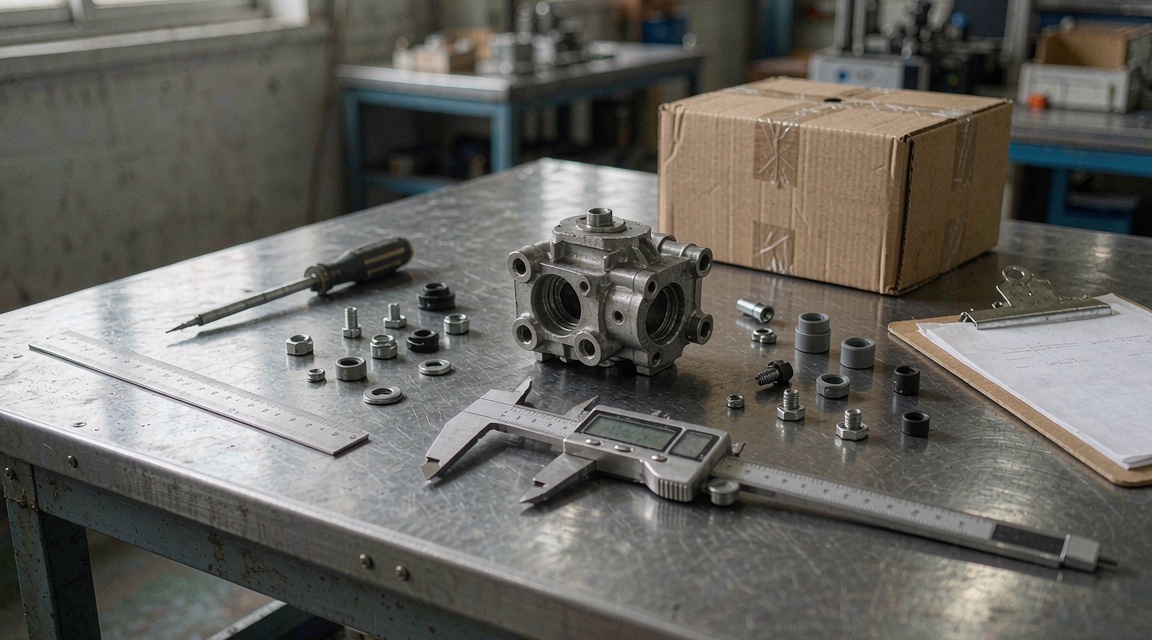
Make sure the factory understands which sample version is approved. Any subsequent changes should be reviewed and documented before production proceeds.
07 / IP Protection Protect Your Brand and Intellectual Property
Before developing a branded product, check whether your proposed name, logo, and design may conflict with existing intellectual property rights in your target markets.
- Search relevant trademark databases before committing to a brand name.
- Clarify ownership of custom designs, artwork, molds, and tooling.
- Put confidentiality and permitted-use terms in writing where appropriate.
- Document product specifications and development agreements.
- Consider professional legal advice for important designs or markets.
Do not assume that paying for custom development automatically gives you every intellectual property right. Ownership and permitted use depend on the agreement and applicable law.
08 / Compliance Check Product Safety and Compliance
Compliance requirements depend on the product, its intended use, materials, claims, and destination market. Confirm applicable obligations before placing a large order.
- Identify relevant product safety and labeling requirements.
- Confirm whether testing, declarations, or specific documentation is required.
- Verify that reports and certificates apply to the exact product and model.
- Check whether packaging, warnings, instructions, or language requirements apply.
- Keep the relevant records and test documentation for your shipment.
Requirements can differ across markets and product categories. For example, certain products sold in the EU may fall under CE-related legislation, while some electronic products sold in the United States may require FCC compliance. Other products may be subject to different safety, chemical, labeling, or consumer protection rules.
Do not assume that one certificate covers every product or market. Verify the applicable requirements for your specific product before production and shipment.
09 / Quality Control Establish Quality Control Before Mass Production
Quality control should begin before manufacturing, not only when finished goods are ready to ship. Define measurable acceptance criteria and agree on how defects will be handled.
- Before production: Confirm the approved sample, specifications, materials, packaging, and inspection criteria.
- During production: Check progress and investigate issues early when the order or risk level justifies it.
- Before shipment: Inspect finished goods against agreed requirements and review packaging and shipping marks.
- After inspection: Document defects, corrective actions, and any reinspection requirements.
Important: Agree on the inspection scope and acceptance criteria in advance. An inspection report is useful only when it is measured against clear, product-specific standards.
10 / Inventory Management Plan Inventory and Replenishment
Ordering too much inventory ties up working capital, while ordering too late can lead to stockouts. Plan replenishment around sales velocity, supplier lead time, shipping time, and demand variability.
A basic reorder point can be calculated using the following formula:
For example, if you sell an average of 20 units per day and the total replenishment lead time is 30 days, expected demand during that period is 600 units. If your safety stock is 150 units, your reorder point is 750 units.
This is a simplified planning example. Adjust your figures for seasonality, demand changes, supplier delays, and the reliability of your sales forecasts.
11 / Risk Management Evaluate Suppliers and Avoid Common Mistakes
A successful first order is a useful starting point, but long-term supplier performance must be assessed over time. Review quality, delivery reliability, communication, and the handling of problems.
Common mistakes to avoid include:
- Choosing the lowest quotation without comparing the full cost.
- Placing a large order before verifying product samples.
- Leaving product specifications or packaging requirements unclear.
- Ignoring applicable compliance and intellectual property risks.
- Underestimating lead times and the cash required for inventory.
- Relying on verbal agreements instead of documented requirements.
- Failing to establish a process for inspection and corrective action.
Review supplier performance after each order and use the findings to improve your next purchasing decision. Clear records and consistent evaluation make it easier to scale a product line without repeating avoidable mistakes.
Conclusion
Sourcing private label products is a process that connects product research, supplier selection, cost planning, customization, compliance, and quality control.
By validating demand, approving samples, documenting requirements, and planning inventory carefully, e-commerce businesses can make more informed purchasing decisions and build a more dependable supply chain.
Frequently Asked Questions
What is private label product sourcing?
Private label product sourcing involves finding a manufacturer or supplier that can provide products sold under your own brand. Depending on the arrangement, you may customize the logo, packaging, materials, features, or product design.
How much money do I need to start a private label brand?
The budget depends on product complexity, MOQ, customization, sample costs, testing, logistics, and marketing. An existing product with basic branding may require less upfront investment than a product involving custom molds or extensive development. Calculate the full landed and selling costs before placing an order.
How do I choose a reliable private label supplier?
Compare suppliers based on relevant experience, sample quality, production capabilities, transparent quotations, communication, quality control, and delivery performance. Verify key claims and agree on written specifications before production.
Can I negotiate a lower MOQ with a manufacturer?
Often, it is worth asking. Options may include a trial order, standard packaging, shared production runs, or a phased order plan. Availability depends on the supplier, product, materials, and production process. A smaller order may also have a higher unit price.
When should I arrange a product inspection?
Define quality requirements before production. Depending on the product and risk level, checks may be appropriate before production, during manufacturing, and before shipment. The inspection plan should reflect the product’s specific risks and agreed acceptance criteria.
Do private label products need certifications?
Requirements depend on the product, its intended use, and the destination market. Identify applicable regulations and documentation requirements before production. Do not assume that every product needs the same certification or that a supplier’s existing report automatically covers your product.