How to Import Goods from Multiple Suppliers in China
Learn how to coordinate different Chinese suppliers, consolidate shipments, control product quality, and simplify international shipping when purchasing multiple products from China.
For many importers, working with multiple suppliers in China is a practical way to build a diverse product range, compare manufacturing capabilities, and find products that meet different business needs. One factory may specialize in packaging, another in pet accessories, and another in household products.
However, purchasing from several suppliers can also create additional challenges. Orders may be completed at different times, product quality may vary, shipping arrangements can become complicated, and coordinating export documents may take more time than expected.
The good news is that these challenges can be managed with a clear sourcing and shipment consolidation process. This guide explains how to purchase goods from multiple suppliers in China while keeping your costs, quality standards, and delivery schedule under control.
1. Why Importers Work with Multiple Suppliers in China
China’s manufacturing industry covers a wide range of product categories. Instead of purchasing every product from one factory, importers can select specialized suppliers based on their manufacturing experience, product quality, pricing, and production capabilities.
Access to Specialized Products
Different factories focus on different products and production processes. Working with specialists can help importers find suitable products and manufacturing capabilities.
More Flexible Product Selection
Buyers can combine products from different categories without depending on a single factory’s limited product range.
Better Supplier Comparisons
Comparing qualified suppliers helps businesses evaluate pricing, minimum order quantities, quality standards, and production lead times before placing orders.
Potential Shipping Savings
When suppliers are ready within a suitable timeframe, combining compatible orders into one shipment may reduce duplicated freight and handling costs compared with shipping every order separately.
Important: Multiple suppliers do not automatically mean lower costs. The final result depends on product pricing, domestic transportation, warehouse handling, consolidation fees, shipping volume, and the delivery schedule.
2. Common Challenges of Multi-Supplier Sourcing
Different Production Schedules
Each supplier may have a different production cycle. If one factory finishes early while another experiences delays, the buyer must decide whether to store completed goods, wait for the remaining products, or ship orders separately.
Inconsistent Product Quality
Different factories may follow different quality standards. Without clear specifications and inspection procedures, products purchased for the same brand may vary in dimensions, materials, color, finish, or packaging.
Complicated Communication
Managing multiple suppliers means tracking separate quotations, purchase orders, payment terms, production updates, and shipping arrangements. Miscommunication can result in incorrect quantities, missed deadlines, or unnecessary costs.
Additional Logistics Coordination
Products may come from different factories or industrial regions. Moving them to a consolidation warehouse requires coordination of collection schedules, carton quantities, warehouse receiving, and final shipment arrangements.
Export and Customs Requirements
Depending on the products, shipment structure, destination country, and contractual arrangements, importers may need to coordinate commercial invoices, packing lists, customs declarations, product certificates, and other supporting documents.
3. How to Import from Multiple Suppliers Step by Step
A structured workflow makes it easier to manage suppliers, identify potential problems early, and prepare goods for consolidated international shipping.
Define Your Product Requirements
Before contacting factories, prepare a product list that includes specifications, materials, dimensions, target prices, estimated quantities, packaging requirements, and destination market.
Clear requirements help suppliers provide comparable quotations and reduce misunderstandings during production.
Identify and Evaluate Suppliers
Research potential factories and compare their manufacturing experience, product range, production capacity, communication, quality-control procedures, and commercial terms.
Do not select suppliers based on price alone. A low quotation may not represent the best overall value if product quality, production reliability, or communication is poor.
Confirm Quotations and Purchase Orders
Confirm product specifications, order quantities, unit prices, payment terms, production lead times, packaging, and delivery arrangements with each supplier.
Keep separate purchase orders and written confirmations so that every factory understands its responsibilities.
Coordinate Production Schedules
Create a shared timeline showing the production start date, estimated completion date, inspection date, and expected delivery to the consolidation warehouse for every order.
Set a realistic shipping deadline and ask suppliers to report delays as early as possible.
Inspect Products Before Shipment
Check that the products meet the agreed specifications before arranging international transportation. Depending on the product, inspections may cover quantity, appearance, functionality, dimensions, labeling, and packaging.
Address quality issues before goods are mixed into a consolidated shipment, when correcting problems is generally easier.
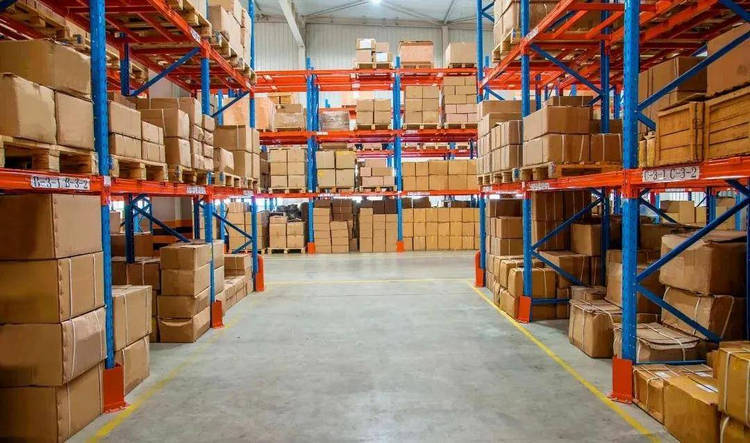
Collect Goods at a Consolidation Warehouse
Arrange for completed orders to be delivered to a suitable warehouse. The warehouse can record incoming cartons, verify quantities against receiving records, and identify missing or damaged goods.
If orders arrive at different times, confirm storage fees and the expected waiting period before choosing to hold all goods for one shipment.
Prepare the Shipment and Export Documents
Once the goods are ready, confirm the final carton count, cargo dimensions, gross weight, shipping method, consignee information, and required export documents.
Confirm with your freight forwarder who will act as exporter, who will issue the commercial invoice, and how the different suppliers’ goods will be documented for customs purposes.
Track Delivery and Review the Results
Monitor shipment milestones and keep the relevant records. After delivery, review transportation costs, supplier performance, product quality, and any delays to improve your next purchasing cycle.
4. How Shipment Consolidation Works
Shipment consolidation means combining goods from multiple suppliers into one larger shipment when the cargo, documentation, and delivery arrangements are compatible.
For example, a retailer may purchase grooming tools from one factory, pet accessories from another, and packaging materials from a third. Instead of automatically booking three independent international shipments, the buyer can evaluate whether the orders can be delivered to a consolidation warehouse and shipped together.
Without Consolidation
- Multiple pickup arrangements
- Separate freight bookings
- Potentially duplicated handling costs
- More shipments to track
With Consolidation
- Goods collected at a shared location
- Combined cargo planning
- Potentially fewer international bookings
- Centralized shipment coordination
Choose the Right Shipping Method
| Shipping Method | Best Suited For | What to Consider |
|---|---|---|
| Sea Freight | Large, heavy, or less time-sensitive shipments | Transit time, port charges, volume, and destination delivery |
| Air Freight | Urgent shipments or relatively high-value goods | Chargeable weight, cost, and delivery deadlines |
| Express Courier | Samples, small parcels, and urgent lightweight orders | Parcel limits, dimensional weight, and import charges |
The most suitable method depends on shipment size, urgency, product characteristics, destination, and total landed cost. Not every multi-supplier order should be consolidated: sometimes shipping ready goods immediately is more economical than paying for storage or delaying the entire order.
5. How to Control Costs When Buying from Multiple Suppliers
To understand whether a purchasing plan is economical, evaluate the total cost of getting the goods to their destination rather than comparing factory quotations alone.
Calculate the Total Landed Cost
Your cost calculation should consider the following categories where applicable:
- Product purchase costs from all suppliers
- Domestic transportation from factories to the warehouse
- Warehouse receiving, storage, sorting, and handling fees
- Export packaging and any required repacking
- Inspection, testing, and certification costs
- International freight and insurance, where applicable
- Customs duties, import taxes, brokerage, and destination charges
- Additional costs caused by delays or separate shipments
Practical tip: Ask your freight forwarder for a detailed quotation that distinguishes origin charges, international freight, destination charges, and any optional warehouse services. This makes it easier to compare consolidation with separate shipments.
Compare Consolidated and Separate Shipments
Request quotations for both options whenever practical. A consolidated shipment may reduce duplicated freight charges, but warehouse handling, storage, extra transport, or delays can offset those savings.
Plan Orders Around Production Lead Times
Whenever possible, coordinate orders with similar production schedules. Avoid holding completed goods for an extended period simply to combine them with a small order that will not be ready for several weeks.
Clarify Payment and Delivery Terms
Confirm who pays for domestic delivery, warehouse services, export clearance, and international freight. Incoterms® rules can help define the responsibilities of buyers and sellers, but the specific rule, named place, and contractual details must be clearly agreed.
6. How to Maintain Consistent Product Quality
When purchasing from multiple factories, quality control needs to be planned for each supplier. A single inspection of the combined cargo may not be enough to identify manufacturing problems across different product categories.
Establish Written Product Specifications
Provide each supplier with the approved product details, material requirements, dimensions, color references, packaging standards, and acceptable quality criteria. Use approved samples or reference images when appropriate.
Arrange Supplier-Level Inspections
Inspection plans should reflect product risks, order quantities, and customer requirements. Checks may include production-stage inspections, pre-shipment inspections, quantity verification, or functional testing.
Check Labels and Packaging
Verify barcode accuracy, carton markings, shipping labels, product instructions, and destination-market requirements before goods leave the warehouse. Confirm that packaging information matches the actual products and purchase orders.
Keep Traceable Records
Maintain separate records for each supplier, including purchase orders, inspection reports, approved samples, carton counts, and corrective actions. This helps identify where a problem originated if issues appear after delivery.
7. Shipping Documents and Logistics Considerations
Consolidating goods from different suppliers requires careful coordination of shipping information. The documents needed depend on the destination, goods, customs rules, and the parties involved in the export and import transactions.
- Commercial invoice: Records the relevant seller, buyer, goods description, quantities, values, and other required transaction information.
- Packing list: Identifies the packed goods, carton quantities, dimensions, weights, and other shipment details.
- Transport document: Depending on the method, this may be a bill of lading, sea waybill, or air waybill.
- Customs declaration: Must reflect the applicable export requirements and accurate shipment information.
- Certificates and test reports: May be required depending on product type, materials, destination market, and applicable regulations.
Do not assume that goods from several suppliers can always be declared under one invoice or one exporter. Confirm the appropriate structure with your customs broker, freight forwarder, and relevant suppliers before shipment.
Compliance reminder: Product safety, labeling, import duties, and documentation requirements vary by market and product category. Verify the applicable rules before placing orders and shipping the goods.
8. Common Mistakes to Avoid
Choosing Suppliers Based Only on Price
A low unit price does not guarantee a low total cost. Evaluate product quality, production reliability, communication, logistics, and after-sales handling as part of the supplier selection process.
Placing Orders Without a Shared Timeline
Without a coordinated production schedule, orders may arrive at different times and create unexpected storage costs or missed shipping deadlines.
Skipping Quality Checks
Combining goods does not correct defects. Inspect products according to the agreed quality requirements before final shipment.
Ignoring Warehouse and Handling Fees
Receiving, sorting, storage, repacking, and loading can add to the final bill. Ask for these charges in advance and compare the full cost of each shipping option.
Assuming Every Supplier Can Use the Same Export Arrangement
Export documentation and customs arrangements depend on the actual transaction and applicable regulations. Confirm responsibilities before the goods are collected.
Leaving Shipping Decisions Until the Last Minute
Decide early whether the priority is the earliest delivery date, lowest total cost, or a balance between the two. This allows you to coordinate production, inspections, and freight bookings more effectively.
9. Frequently Asked Questions
Can I buy products from multiple suppliers in China and ship them together?
Yes. In many cases, goods from multiple suppliers can be delivered to a consolidation warehouse and combined into one shipment. The feasibility depends on the products, timing, cargo compatibility, export arrangements, and customs requirements.
Is it cheaper to consolidate shipments from different suppliers?
It can be, particularly when consolidation reduces duplicated international freight and handling charges. However, warehouse fees, domestic transportation, storage, and delays may offset the savings. Compare the total landed cost before deciding.
Do all suppliers need to be located in the same city?
No. Suppliers can be located in different cities or industrial regions. However, the cost and time required to transport goods to a shared warehouse should be included in your logistics plan.
How long can products stay in a consolidation warehouse?
This depends on the warehouse’s storage policy and your commercial agreement. Confirm free-storage periods, daily or monthly fees, receiving charges, and the expected date for releasing the goods.
Can a sourcing agent coordinate orders from several factories?
Yes. A sourcing agent may help with supplier research, quotations, order follow-up, quality inspections, warehouse coordination, and shipment preparation. Confirm the exact service scope and fees before engaging an agent.
What information should I prepare before requesting a shipping quote?
Prepare the destination, estimated cargo volume and weight, carton dimensions, product descriptions, readiness dates, shipping preferences, and any known special handling or compliance requirements. More accurate cargo information generally leads to more useful quotations.
Should I wait until every supplier finishes production before shipping?
Not always. Waiting may help consolidate the goods, but it can also create storage fees and delivery delays. Compare the cost of waiting against the cost of shipping completed orders separately, especially when some products are urgently needed.
Conclusion
Importing goods from multiple suppliers in China can give businesses access to a wider range of products and specialized manufacturing capabilities. The challenge is coordinating every part of the process, from supplier selection and production follow-up to quality control, warehouse receiving, export documentation, and international shipping.
With clear product specifications, a realistic production timeline, reliable inspections, and a well-planned logistics strategy, importers can make multi-supplier purchasing easier to manage and evaluate.
The goal is not simply to combine as many products as possible into one shipment. It is to build a sourcing process that balances product quality, total cost, and delivery reliability as your business grows.
Need Help Managing Multiple Suppliers in China?
Explore Our Sourcing ServicesThis article provides general sourcing and logistics information. Actual costs, shipping arrangements, and import requirements depend on the products, destination, contractual terms, and applicable regulations.