Why Factory Samples Look Good but Bulk Orders Turn Out Differently
A factory sample may look perfect, but that does not guarantee every unit in your bulk order will meet the same standard. Material substitutions, inconsistent production processes, unclear specifications, and insufficient inspections can all create costly surprises.
For Amazon sellers, eCommerce brands, importers, and wholesalers, the real challenge is not simply approving a good sample. It is making sure the factory can reproduce that quality consistently at scale.
Define the exact product standard before mass production.
Verify that materials and processes match the approved specifications.
Identify defects before the goods leave the factory.
Why Can a Good Sample Lead to a Disappointing Bulk Order?
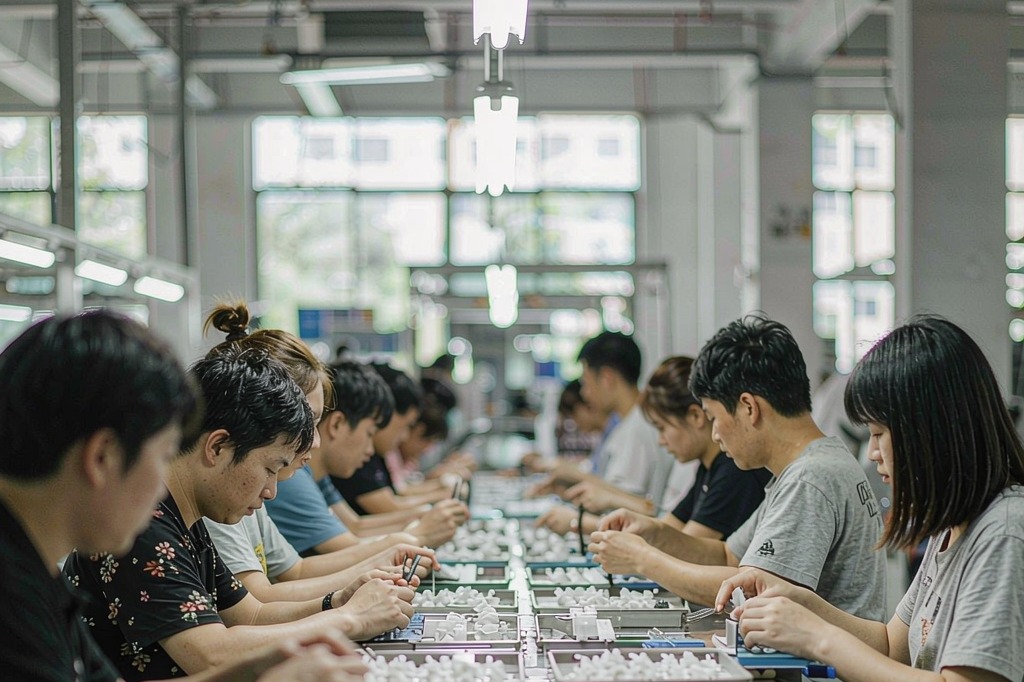
Samples and bulk production are often handled under different conditions. A sample may receive individual attention from an experienced technician, while a large order must pass through a repeatable production process involving multiple workers, machines, material batches, and quality checkpoints.
This difference does not necessarily mean a factory is deliberately providing misleading samples. In many cases, the problem is that the approved sample has not been translated into a clear, measurable production standard.
The key principle: A sample proves what a product can look like. A controlled production process helps prove whether the factory can reproduce that result consistently.
Understanding where these differences originate is the first step toward reducing defective inventory, customer complaints, returns, and unexpected costs.
5 Reasons Factory Samples Differ from Bulk Production
-
01
Different Materials or Components
The sample may use a particular grade of plastic, fabric, metal, coating, or accessory. If the production order uses a different supplier, material batch, thickness, or component, the finished goods may look or perform differently.
-
02
Extra Attention During Sampling
Samples are often assembled individually and may receive more manual adjustment, finishing, and inspection than ordinary production units. The same level of attention may not be built into the factory’s mass-production workflow.
-
03
Incomplete Product Specifications
Terms such as premium material, strong stitching, smooth edges, or consistent color are open to interpretation. Without defined dimensions, tolerances, material requirements, and acceptance criteria, the factory may apply a different standard.
-
04
Unapproved Production Changes
Material availability, production scheduling, or cost pressure can lead to changes in components, suppliers, or manufacturing methods. If changes are not communicated and approved, the finished goods may no longer match the reference sample.
-
05
Visual Checks Without Performance Tests
A product can look acceptable while failing during actual use. Weak stitching, unstable connections, poor load resistance, sharp edges, or unreliable moving parts may not be discovered through appearance checks alone.
-
!
Why These Problems Matter
A small difference in one component can affect product safety, durability, packaging fit, customer satisfaction, and compliance. The required checks should reflect the product’s actual risks and intended use.
Examples of Differences to Watch For
| Product Type | Possible Difference | What to Verify |
|---|---|---|
| Plastic products | Different resin, wall thickness, color, or surface finish | Material specification, dimensions, appearance, and functional performance |
| Textile products | Different fabric weight, stitching, color, or seam strength | Fabric composition, measurements, workmanship, and applicable durability tests |
| Metal products | Different metal grade, coating, finish, or component dimensions | Material requirements, dimensions, corrosion resistance where applicable, and function |
| Pet accessories | Different buckle strength, webbing, stitching, or hardware finish | Component specifications, dimensions, workmanship, and appropriate strength testing |
| Electronic products | Different components, firmware, charging performance, or accessories | Approved component list, functionality, applicable safety requirements, and testing records |
| Retail packaging | Different board thickness, print color, dimensions, or protective inserts | Packaging specifications, print approval, fit, labeling, and transit protection |
These are illustrative examples. The appropriate inspection criteria depend on the product, contract, applicable regulations, and intended use.
Sample Approval Is Not the Same as Production Approval
Approving a sample is an important milestone, but it should not be the only quality checkpoint. Buyers need to establish a documented reference standard and verify that mass production follows it.
| Checkpoint | Main Purpose | What to Confirm |
|---|---|---|
| Sample Approval | Confirm the intended product design and quality level. | Appearance, dimensions, materials, color, features, packaging, and relevant test results. |
| Pre-Production Confirmation | Confirm that the planned production setup can reproduce the approved sample. | Production materials, components, tooling, artwork, specifications, and manufacturing arrangements. |
| Production Inspection | Identify deviations while production is underway. | Workmanship, dimensions, component consistency, defect patterns, and process changes. |
| Pre-Shipment Inspection | Assess whether finished goods meet the agreed acceptance criteria. | Quantity, appearance, functionality, packaging, labeling, and applicable sampling criteria. |
A Practical Sample-to-Bulk Approval Workflow
Approve
Review and approve the final sample against the product requirements.
Document
Create a specification sheet and retain a clearly identified reference sample.
Confirm
Verify materials, components, packaging, and production arrangements.
Inspect
Check production at suitable stages and address deviations early.
Release
Review inspection findings and confirm whether shipment requirements are met.
Important: If the factory needs to change a material, component, supplier, or manufacturing method, require written disclosure and approval before the change is implemented.
How to Make Sure Bulk Products Match the Approved Sample
1. Keep a Signed-Off Reference Sample
Retain an approved sample that both buyer and supplier can identify. Label it with the product name, model, revision, approval date, and any relevant order reference. Photographs can support the record, but they should not replace a physical sample when touch, weight, fit, or function matters.
2. Create a Clear Product Specification Sheet
Do not rely only on messages, verbal promises, or a sample sitting in the factory office. Document the requirements that matter for production and inspection.
| Specification Area | Information to Record |
|---|---|
| Materials | Material type or grade, composition where relevant, thickness, and approved components. |
| Dimensions | Key measurements, units, acceptable tolerances, and measurement methods. |
| Appearance | Approved color references, finish, surface quality, logos, and visible workmanship requirements. |
| Functionality | Required functions, operating conditions, performance requirements, and relevant test methods. |
| Packaging | Packaging materials, artwork revision, inserts, labels, barcodes, and carton requirements. |
| Acceptance Criteria | Defect definitions, inspection method, sampling plan where applicable, and agreed acceptance limits. |
3. Verify the Pre-Production Sample
When possible, inspect a sample made using the intended production materials, components, tooling, and manufacturing process. This helps identify problems that may not appear in a hand-finished prototype or an earlier development sample.
4. Document and Approve Changes
Establish a simple change-control process. The supplier should identify what is changing, explain why, provide supporting evidence where needed, and obtain written approval before proceeding. Keep the approval linked to the correct product revision and purchase order.
When Should You Inspect a Bulk Order?
Waiting until every unit has been packed can make defects expensive to correct. Inspection timing should match the product’s risk, order size, production complexity, and shipping schedule.

| Stage | Inspection Focus | Why It Helps |
|---|---|---|
| Before Production | Materials, components, specifications, artwork, and production sample. | Prevents avoidable misunderstandings before large quantities are produced. |
| Early Production | Initial units, setup accuracy, material consistency, and workmanship. | Finds process problems while corrective action may still be relatively inexpensive. |
| During Production | Recurring defects, changes in output, dimensions, and production consistency. | Helps identify whether an issue is isolated or affecting a larger quantity. |
| Before Shipment | Finished-product quality, quantity, packaging, labeling, and functionality. | Provides evidence for a shipment decision against agreed acceptance criteria. |
| After Delivery | Receiving checks, damage, recurring customer complaints, and field performance. | Reveals problems that may not be detected during factory inspection alone. |
What Can Pre-Shipment Inspection Actually Tell You?
A pre-shipment inspection can help assess the condition of finished goods before they leave the factory. Depending on the inspection scope, it may cover appearance, workmanship, measurements, function, quantity, labeling, and packaging.
For larger orders, an agreed sampling plan may be more practical than checking every unit. However, a sample-based inspection does not guarantee that every unit is defect-free. Critical safety or regulatory requirements may need separate testing, certification, or other verification.
How Much Can a Quality Problem Cost?
The cost of a quality issue is not limited to replacing defective units. Rework, additional inspection, warehouse handling, delayed launches, customer returns, and shipping complications can all affect profitability.
A 2,000-Unit Purchase Order
| Cost Item | Calculation | Estimated Cost |
|---|---|---|
| Defective units | 2,000 × 8% | 160 units |
| Rework | 160 × $2.50 | $400 |
| Additional inspection | Illustrative allowance | $250 |
| Extra handling and logistics | Illustrative allowance | $300 |
This example is for illustration only, not an industry average or a prediction of actual losses. It assumes all 160 affected units require $2.50 per unit in rework and adds the stated inspection and handling allowances. Actual costs vary by product, supplier agreement, defect severity, and corrective action.
The example excludes potential lost sales, refunds, platform penalties, reputational damage, and the cost of missed launch dates. These indirect consequences may be significant, but they are not included in the $950 calculation.
The business lesson: A relatively small investment in clear specifications and appropriately timed quality checks can help identify issues before they spread across an entire production run.
What Should You Do If Bulk Goods Differ from the Approved Sample?
If delivered or inspected products do not match the agreed requirements, avoid relying on verbal explanations alone. Record the evidence, establish the scope of the problem, and agree on a documented corrective action.
Step 1: Document the Difference
Take clear photographs or videos, record measurements and test results, and compare the affected goods with the approved reference sample and specification sheet. Identify the purchase order, production batch, and product revision.
Step 2: Determine the Scope
Check whether the issue affects a few units, a particular carton or batch, or a larger part of the order. Use a suitable inspection or testing method rather than assuming that every unit has the same condition.
Step 3: Notify the Supplier in Writing
Describe the nonconformity clearly, reference the agreed specification, and provide supporting evidence. Request the supplier’s explanation, proposed corrective action, and timeline.
Step 4: Agree on a Corrective Action
Depending on the contract, defect severity, and practical circumstances, possible actions may include rework, replacement, sorting, additional inspection, or another negotiated remedy. Confirm responsibilities and costs in writing.
Step 5: Verify Before Closing the Issue
Review the corrective action and reinspect or retest where appropriate. If a production change is required, update the relevant specification or approval record so the same issue is less likely to recur.
Quality Control Checklist Before Placing or Releasing an Order
Use this checklist as a starting point for supplier discussions and adapt it to the product, order, and applicable requirements.
Before Sample Approval
Before Mass Production
During Production and Before Shipment
After Delivery
How a China Sourcing Partner Can Help Maintain Quality
For overseas buyers, managing quality remotely can be challenging. Differences in language, technical interpretation, supplier communication, and production visibility can make it harder to identify issues early.
A China-based sourcing partner can help coordinate supplier communication, clarify product specifications, follow up on production progress, arrange factory-side quality checks, and document issues that require corrective action.
The value is not simply having someone inspect a finished product. It is establishing a clearer process from supplier coordination and sample approval to production follow-up and shipment readiness.
Before Production
Help clarify requirements, align specifications, communicate approved changes, and coordinate sample confirmation.
During Production
Follow up with suppliers, coordinate appropriate inspections, and communicate quality issues with supporting evidence.
JACKHOO SOURCING supports businesses with China-side sourcing and supply chain coordination. The appropriate scope of quality control depends on the product, project requirements, and agreed services.
Build a More Reliable Sourcing Process
If you are sourcing products from China and need support with supplier coordination, sample confirmation, production follow-up, or quality control, learn more about JACKHOO SOURCING and its services.
Explore Our Services →Do Not Approve Only the Sample. Control the Process.
A good factory sample is an important starting point, but it does not guarantee consistent bulk production. Differences in materials, manufacturing methods, specifications, and inspection practices can all affect the final result.
The most practical approach is to retain a clear reference sample, document measurable requirements, confirm the production setup, inspect at appropriate stages, and require approval for changes. These steps help buyers identify problems earlier and make more informed decisions before goods are shipped.
Remember: Consistent product quality is not created by a sample alone. It depends on clear standards, controlled production, effective communication, and appropriate verification.
You may also find these resources useful: