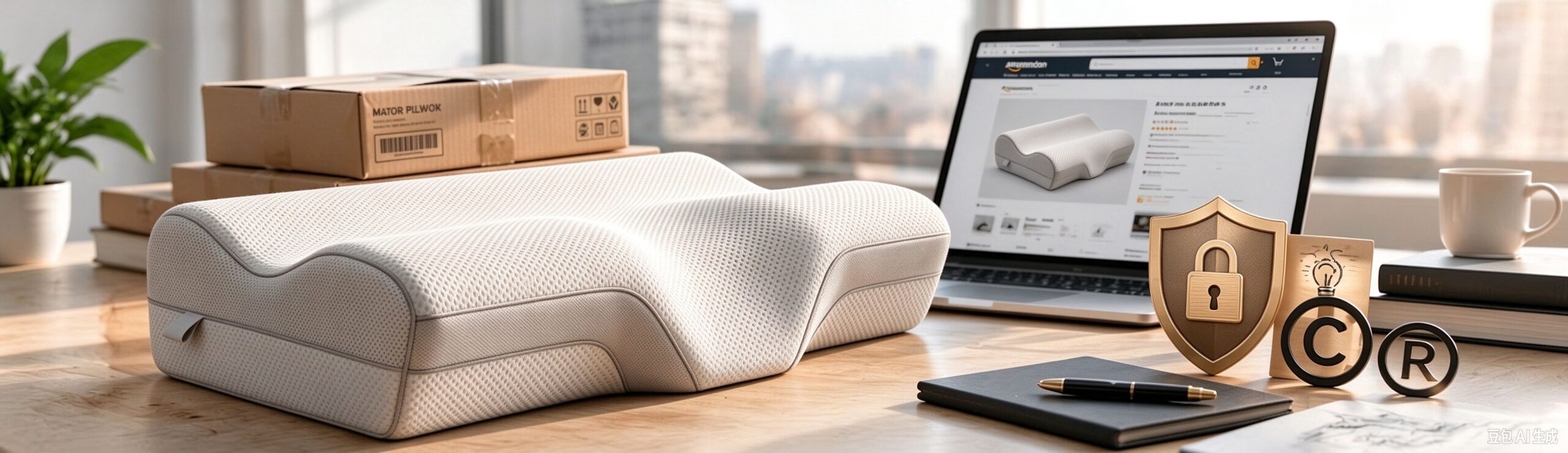
You found a winning product, watched sales roll in, and thought you were safe. Then the nightmare hits: a deactivated listing, a cease-and-desist letter, and a frozen account. The culprit? An Amazon patent infringement claim.
IP issues are silent killers. Many sellers assume Chinese factory products are legally safe—a dangerous, expensive misconception. To protect your business, navigating Amazon Patent & Trademark Risks is mandatory. You need a proactive sourcing strategy before investing a single dollar.
Table of Contents
The Nightmare of Amazon Patent Infringement
The global supply chain is complex. Unfortunately, many factories manufacture “knock-offs” or unauthorized replicas of popular designs without disclosing this to their buyers. They may show you a picture of a product that looks generic, but in reality, it is a patented design owned by a major brand.
When you list this product on Amazon, the original brand owner can file a complaint. Amazon takes IP rights incredibly seriously and uses advanced bots to police listings.
The consequences of an Amazon patent infringement claim include:
| Consequence | What It Means for Your Business |
|---|---|
|
|
Your product disappears from search results instantly, killing your momentum. |
|
|
Amazon can hold your money for up to 90 days or indefinitely. For many sellers, this means bankruptcy. |
|
|
Multiple violations can permanently ban your seller account, destroying your business overnight. |
|
|
The patent holder can sue you in US court, resulting in a Temporary Restraining Order (TRO). This freezes all your global Amazon funds and requires hiring expensive US lawyers to settle. |
The Platform’s Perspective: Amazon does not act as a judge. They operate on a strict “notice-and-takedown” system. If a rights owner files a complaint, Amazon suspends your listing immediately, regardless of whether the claim is valid. The burden of proof falls entirely on you. You cannot simply say, “My supplier told me it was okay.” To mitigate Amazon Patent & Trademark Risks, prevention is your only realistic defense.
Step 1: China Supplier Check Trademark Before Sourcing China
Trademarks are the most common form of IP protection, safeguarding brand names, logos, and slogans. A massive trap for Amazon sellers is sourcing a product that has a registered logo or brand name engraved on it or its packaging. Even if you don’t use the brand name in your listing title, selling a physical item bearing a registered trademark is infringement.
To protect yourself, it is absolutely critical to China supplier check trademark before sourcing China. Here is a step-by-step approach:
Demand a Trademark Search
Ask your supplier directly if the product bears any registered trademarks. Request documentation proving they own the rights or are an authorized manufacturer.
Check the USPTO
If selling in the US, search the USPTO database (TESS). Look up the brand name the factory is using, and search for similar phonetic or visual variations.
Check the EUIPO
For European markets, utilize the European Union Intellectual Property Office database to ensure the brand name is clear for use.
Beware of “OEM” Traps
If a factory offers you an “OEM” product from a famous brand at a suspiciously low price, it is almost certainly counterfeit.
Pro Tip: Always ensure your product is completely unbranded or bears your own registered trademark. Never rely on a verbal promise; demand written confirmation. Also, be wary of generic packaging that might still hide a branded logo on the bottom of the product.
Step 2: How to Check Design Patent China & Utility Patents
Patents are trickier than trademarks because they don’t always involve a visible logo. You must worry about two main types:
- Design Patents: Protect the unique visual appearance (e.g., the specific curved shape of a dog bowl).
- Utility Patents: Protect how an item functions (e.g., a self-cleaning mechanism inside a litter box).
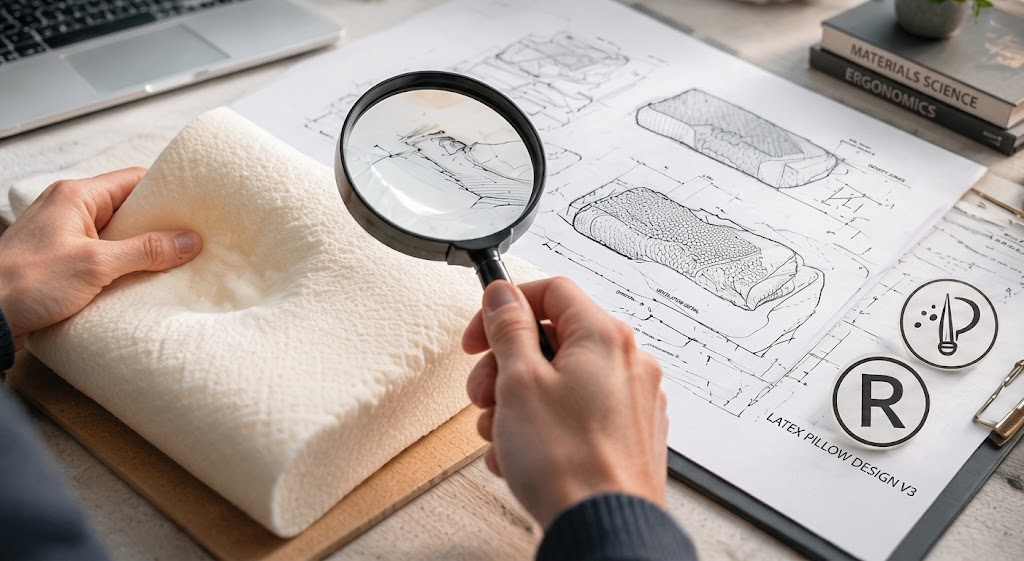
If you source a unique-looking pet grooming tool or a novel kitchen gadget, there is a high probability it is protected. If you are wondering how to check design patent China and globally, follow these steps:
-
Google Patents
The most accessible and free tool. Use descriptive keywords and analyze the images. If you find an exact match, you have a problem.
-
WIPO Global Design Database
Excellent for cross-border checks. It covers international design registrations and is essential if you are selling globally.
-
Ask the Factory Directly
Don’t skip this step. Ask your supplier directly and require a written response:
“Does this product have an active design or utility patent? Can you provide the patent number and a letter of authorization?”
If a supplier claims they have a patent, take the number and verify it yourself. Fake or expired patents are common. You must also determine if the patent is active in your specific target market.
The FTO Search: For high-value products, consider paying an IP attorney for a Freedom to Operate (FTO) search. This is a formal legal opinion stating you have the right to sell the product without infringing on active patents.


Contract Protection: China Supplier IP Indemnification
Even if you do your due diligence, residual risk always exists. This is where a China supplier IP indemnification clause becomes your financial lifeline.
An indemnification clause is a legal promise from the supplier to cover your losses (including legal fees, lost profits, and damages) if their product infringes on a third party’s IP.
Your sourcing contract must explicitly state:
-
1Guarantee: The supplier guarantees the product does not infringe on any third-party patents, trademarks, or copyrights.
-
2Defense & Costs: If a claim arises, the supplier is fully responsible for defending the claim and paying all associated costs.
-
3Reimbursement: The supplier will reimburse you for any frozen funds or lost inventory.
Reality Check: While legally binding, enforcing a contract against a small Chinese factory can be difficult. However, larger, reputable factories will sign these clauses because they have the capital and reputation to protect. If a supplier flatly refuses to sign a China supplier IP indemnification clause, treat it as a massive red flag. If possible, add an arbitration clause (e.g., CIETAC or HKIAC) to resolve disputes more easily.
Hidden Risk: Copyright and Packaging Infringement
While patents and trademarks dominate the conversation, copyright infringement is a silent killer on Amazon. Copyright protects original works, including product images, instruction manuals, and packaging designs.
Many sellers buy a product, and the factory provides high-quality photos. What the seller doesn’t know is that the factory stole those images from the original brand’s website. Uploading those images to Amazon is copyright infringement.
How to avoid it:
- Never use factory-provided images unless you are 100% sure they are original.
- Hire a professional photographer to shoot your own product photos.
- Write your own copy—never copy and paste bullet points from other listings.
- Ensure instruction manuals aren’t copied verbatim from a competitor.
The Ultimate IP Sourcing Checklist
Before you place a bulk order, run through this checklist to minimize Amazon Patent & Trademark Risks:
| Checklist Item | |
|---|---|
| Design Search: Did you search Google Patents and WIPO for design and utility patents matching your product? | |
| Trademark Search: Did you check the USPTO or EUIPO database for the brand name or logo on the product? | |
| Supplier Vetting: Have you asked the factory to provide written proof of ownership or authorization? | |
| Copyright Check: Are you using your own photos and writing your own listing copy? | |
| Contract Review: Does your purchasing contract include a comprehensive China supplier IP indemnification clause? | |
| Logo Approval: Are you absolutely certain your own product packaging and logo do not resemble an existing registered trademark? |
Crisis Management: What to Do If You Get a TRO
If you receive a cease-and-desist letter or a Temporary Restraining Order (TRO) on Amazon, do not panic, but act immediately:
- Stop Selling Immediately: Remove the product from your inventory and deactivate the listing.
- Contact the Rights Owner: Sometimes, a polite email asking for a retraction is enough if it was a genuine misunderstanding.
- Seek Legal Counsel: Contact a US-based IP attorney specializing in Amazon cases. Do not attempt to fight a patent claim without professional help.
- Negotiate a Settlement: If your funds are frozen by a TRO, your lawyer will need to negotiate a settlement with the plaintiff’s attorney to release your funds.
- Activate Your Indemnification: If you have a China supplier IP indemnification clause, activate it immediately and demand the factory take financial responsibility.
Conclusion
Sourcing products for Amazon is not a game of chance; it is a game of diligence. Navigating Amazon Patent & Trademark Risks requires time, research, and ironclad contracts. Trademark, copyright, and patent violations can wipe out months of hard work in a single day.
By verifying your suppliers, conducting thorough patent and trademark searches, and securing comprehensive contracts, you protect your brand, your funds, and your business. Treat your IP strategy as a core part of your sourcing process, and you can build a resilient, profitable e-commerce business that withstands the tests of the global market.