What to Do When Your China Supplier Fails a Quality Inspection
A failed inspection does not automatically mean you need to cancel your order or accept defective products. Learn how to assess defects, negotiate corrective action, verify repairs, and reduce quality risks before shipment.
Understand the Failure
Use inspection evidence to identify the defects, affected quantities, and potential risks.
Agree on a Solution
Set clear expectations for rework, replacements, price adjustments, or rejection.
Reinspect Before Shipping
Confirm that corrective actions work before authorizing the goods to leave the factory.
Failing a quality inspection is one of the most frustrating problems when sourcing products from China. You may have already paid a deposit, arranged shipping, or promised a delivery date to your customers. Discovering defects during the final inspection can put your entire order at risk.
However, a failed inspection does not automatically mean you should cancel the order or accept defective products.
The key is to identify the problem, assess its impact, communicate clearly with your supplier, and agree on corrective action before the goods are shipped.
In this guide, we explain what to do when your China supplier fails a quality inspection and how to reduce the risk of similar problems in future orders.
1. Understand Why the Inspection Failed
Before taking action, determine exactly why the products failed inspection.
Not all quality issues have the same level of risk. A minor packaging defect requires a different response from a safety problem or a product that cannot function as intended.
Common reasons for a failed product inspection include:
- Appearance defects: Scratches, stains, uneven colors, or poor finishing.
- Functional problems: Products that do not work correctly or fail performance tests.
- Specification deviations: Incorrect dimensions, materials, weights, components, or product designs.
- Packaging issues: Incorrect labels, damaged packaging, missing accessories, or insufficient protection.
- Quantity discrepancies: Missing units, incorrect quantities, or incomplete orders.
- Compliance failures: Missing documentation or products that fail applicable regulatory or safety requirements.
Review the inspection report carefully. Identify the number of defective units, the types of defects, and whether the issues affect product functionality, safety, or customer expectations.

This information will help you determine whether the order can be corrected, partially accepted, or requires more extensive rework.
2. Stop Shipment Until the Problem Is Assessed
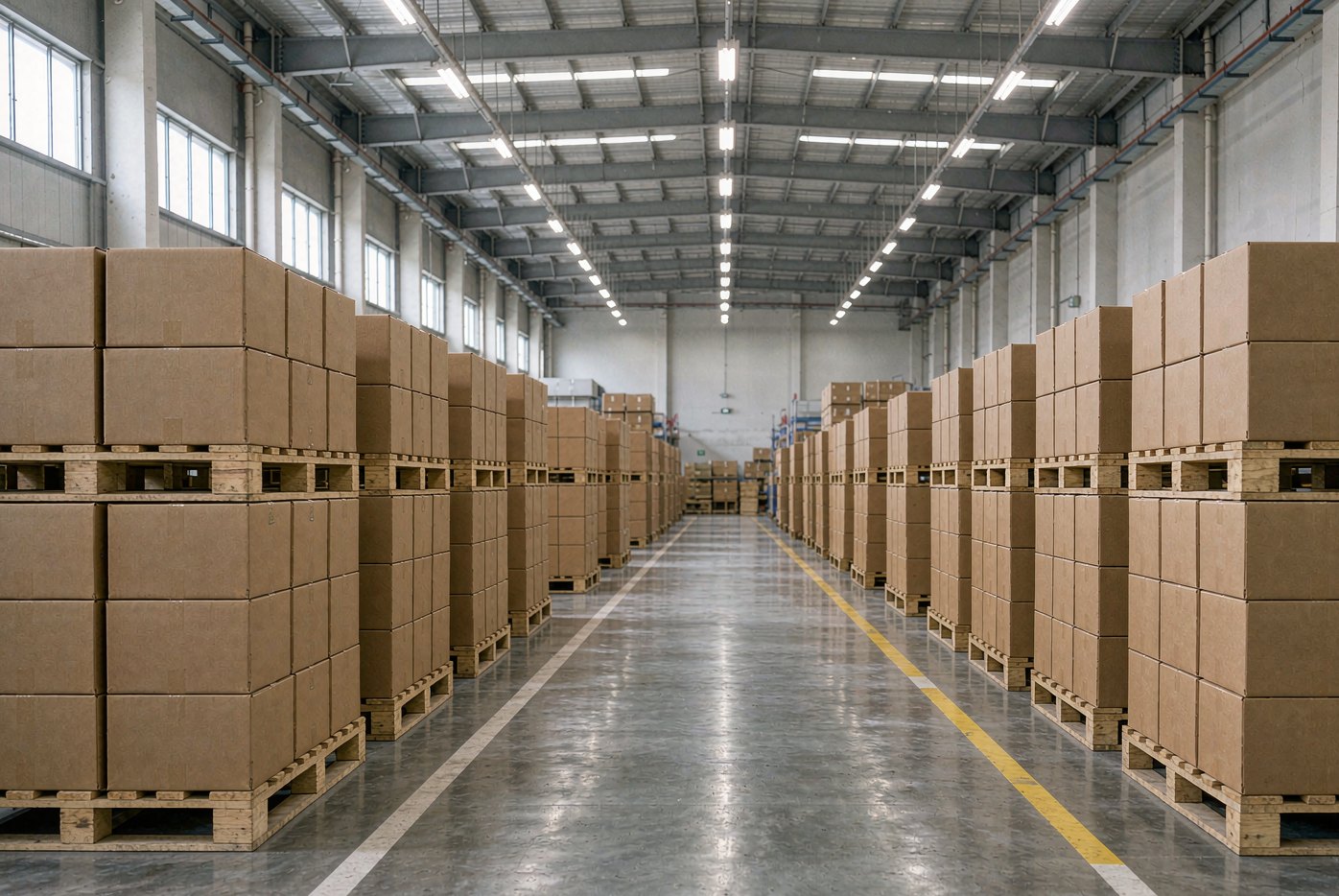
If the inspection takes place before shipment, avoid authorizing dispatch until the quality issue has been evaluated.
Shipping defective products can create additional costs, including international return freight, replacement shipments, customer refunds, and potential damage to your brand reputation.
Ask your supplier to hold the goods while you review the inspection findings.
You should also preserve the evidence. Keep copies of the inspection report, photographs, videos, approved samples, product specifications, purchase orders, and relevant supplier communications.
For large orders, ask the supplier to separate affected products from units that appear to meet the agreed requirements.
3. Determine the Severity of the Defects
Once the issue is identified, classify it according to its impact.
| Defect Level | Examples | Recommended Action |
|---|---|---|
| Critical | Potential safety hazards or serious compliance failures | Hold shipment and investigate immediately |
| Major | Product malfunction, incorrect specifications, significant damage | Request rework, replacement, or another agreed remedy |
| Minor | Small cosmetic defects that do not affect functionality | Assess against agreed quality standards and acceptance criteria |
These categories are general guidance, not universal acceptance rules. The final decision should follow the product requirements, applicable regulations, and inspection standards agreed upon before production.
For safety-related or regulatory failures, do not simply accept the goods at a discount without confirming that the products can legally and safely be sold.
4. Communicate With Your Supplier in Writing
After identifying the problem, contact your supplier with clear evidence and specific requests.
Avoid vague statements such as “the quality is not good.” Instead, refer to the inspection report and explain which requirements were not met.
Your message should include:
- The inspection date and report.
- The specific defects and affected quantities.
- Photos or videos showing the problems.
- The relevant approved sample or product specification.
- The corrective action you expect.
- The deadline for the supplier’s response and proposed reinspection.
Ask the supplier to provide a written corrective action plan explaining what caused the problem, how it will be fixed, and how the same issue will be prevented in future production.
Keep all important agreements in writing, especially those involving additional costs, revised delivery dates, replacement quantities, or payment arrangements.
5. Agree on the Most Appropriate Solution
Depending on the type and severity of the defects, several solutions may be available.
Rework the Products
Rework may be suitable when defects can be corrected without compromising safety or performance. Examples include replacing incorrect components, repairing finishing problems, correcting labels, or repackaging products. Agree on costs and timing before work begins.
Replace Defective Units
If only part of the order is defective, the supplier may agree to replace the affected units. Confirm the replacement quantity, production timeline, inspection requirements, and responsibility for additional costs.
Request a Price Adjustment
A price adjustment may be reasonable for certain non-critical defects when the products remain suitable for their intended purpose and the buyer knowingly accepts the deviation. Document the affected quantity and revised price.
Reject the Order or Negotiate a Refund
If defects are extensive, cannot be corrected, or fundamentally violate agreed specifications, rejection may be appropriate. Review your purchase agreement and dispute-resolution provisions before proceeding.
A discount should not be used as a substitute for resolving safety risks or mandatory compliance failures. The available remedies depend on the contract and applicable law.
6. Arrange a Reinspection Before Shipment
One common mistake is accepting a supplier’s statement that the problems have been fixed without checking the results.
After rework or replacement, arrange a follow-up inspection.
The reinspection should verify that:
- Previously identified defects have been corrected.
- Products meet the agreed specifications.
- Functional tests produce acceptable results.
- Packaging, labels, and accessories are correct.
- The corrected goods meet the agreed acceptance criteria.
For serious or recurring defects, consider inspecting the affected production batch rather than relying only on a few repaired samples.
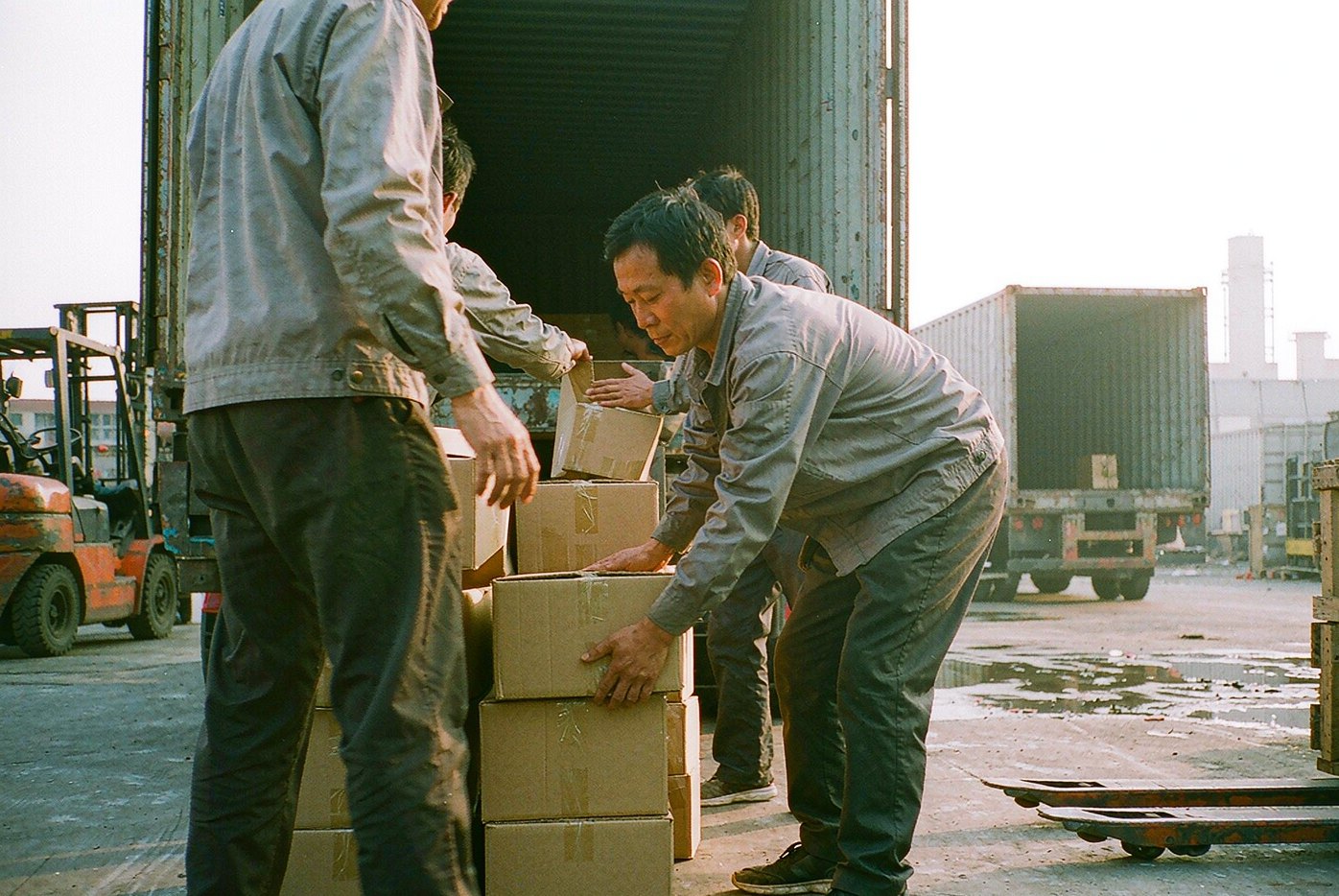
Do not authorize shipment until the required quality checks have been completed and the results are acceptable.
Immediate Checklist
- Obtain the complete inspection report.
- Identify the affected units and defect types.
- Hold shipment while the issue is assessed.
- Send evidence and requests in writing.
- Agree on corrective action and deadlines.
- Reinspect before approving shipment.
Key Principle
A supplier’s promise is not the same as a verified correction. Base shipment decisions on documented inspection results and agreed acceptance criteria.
7. Review Your Payment and Contract Terms
A failed inspection can also become a financial problem, particularly when most of the order value has already been paid.
Before making additional payments, review your contract and determine what it says about quality standards, inspection rights, defective products, rework costs, delivery delays, and refunds.
For future orders, consider defining the following terms before production begins:
- Approved product specifications and reference samples.
- Inspection methods and acceptance criteria.
- Responsibility for rework and replacement costs.
- Procedures for handling failed inspections.
- Conditions for final payment and shipment authorization.
Avoid assuming that a particular payment structure automatically protects you. The protection available depends on the contract, payment method, supplier’s willingness to cooperate, and applicable law.
8. Prevent the Same Problem in Future Orders
Resolving a failed inspection is important, but preventing recurrence is even more valuable.
A reliable quality control process should begin before mass production rather than at the final inspection stage.
A Practical Quality Control Workflow
Consider implementing these practices:
Approve a Reference Sample
Confirm the materials, dimensions, colors, functions, and packaging before mass production.
Set Measurable Quality Standards
Replace vague descriptions with clear specifications, tolerances, and testing requirements.
Check Quality During Production
Early inspections can reveal problems before the entire order is completed.
Use Independent Inspection When Appropriate
A qualified third-party inspector can provide an objective assessment of whether the goods meet the agreed requirements.
Evaluate Supplier Performance Over Time
Track defect rates, corrective action response times, delivery performance, and repeated quality issues.
A supplier that responds transparently and corrects problems effectively may still be a viable long-term partner. A supplier that repeatedly ignores specifications or refuses reasonable corrective action may need to be replaced.
Frequently Asked Questions
What should I do if my China supplier refuses to fix defective products?
Document the defects, review the purchase agreement, and send a written request outlining the required corrective action. If the supplier refuses to cooperate, consider your contractual remedies and seek qualified legal or trade-dispute advice where appropriate.
Who should pay for a failed quality inspection?
Responsibility depends on the purchase agreement, the cause of the failure, and the parties’ agreed terms. Discuss inspection fees, rework costs, replacement costs, and additional shipping expenses before production begins.
Should I ship products that fail inspection?
Not until the failure has been assessed. Products with safety or compliance issues should not be shipped for commercial sale until those issues are properly resolved. For other defects, shipment should depend on the agreed acceptance criteria and a documented decision.
When should I conduct a pre-shipment inspection?
A pre-shipment inspection is generally arranged when production is sufficiently complete and the goods are available for inspection, before shipment is authorized. For complex or high-risk products, additional checks during production may be necessary.
Can I prevent quality problems when sourcing from China?
You cannot eliminate every risk, but you can reduce it by confirming specifications, approving samples, selecting capable suppliers, conducting appropriate production checks, and verifying the finished goods before shipment.
A failed quality inspection does not always mean a sourcing project has failed. What matters is how quickly the problem is identified, how clearly responsibilities are established, and whether corrective actions are verified.
By setting clear quality requirements, documenting supplier agreements, and arranging inspections at the right stages, businesses can reduce the risk of receiving defective products and build more reliable supply chains in China.