JACKHOO INSIGHTS · PURCHASING GUIDE
How to Manage Product Changes After Production Has Started
A practical guide to controlling costs, protecting quality, coordinating suppliers, and minimizing production delays when product requirements change mid-order.
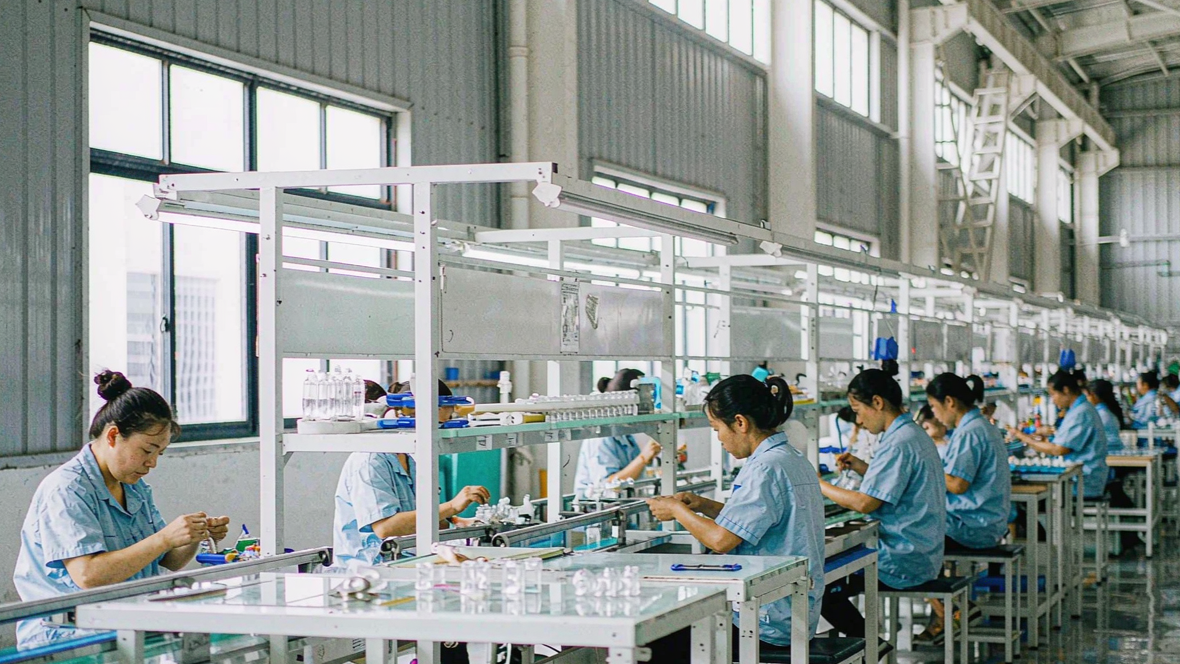
However, making changes during production is rarely as simple as updating a drawing or sending a new instruction to the factory. Depending on the nature of the change, it can affect raw materials, manufacturing processes, product quality, compliance requirements, production costs, and delivery schedules.
For businesses sourcing products from China, these challenges can become more complicated when materials have already been purchased, production is partially completed, or customized packaging is ready for shipment.
The key is to evaluate the impact before approving a change, understand the actual production status, and coordinate all revisions through a clear, documented process.
In this guide, we explain how to manage product changes after production has started, compare different implementation options, calculate additional costs, and minimize unnecessary disruption to your supply chain.
1. Identify the Type of Product Change
Before contacting the factory, clearly define what needs to change and how the revision may affect the existing production process.
Not all changes carry the same level of risk. Updating a packaging label may be relatively straightforward, while replacing a critical component could require new materials, production adjustments, and additional testing.
Common production changes include:
| Change Type | Examples | Potential Impact |
|---|---|---|
| Design changes | Adjusting dimensions, shape, color, or appearance | Revised drawings, tooling, or production settings |
| Material changes | Replacing plastics, fabrics, metals, or coatings | Material costs, durability, lead time, and performance |
| Functional changes | Modifying buttons, connectors, or moving parts | Additional testing and product validation |
| Packaging changes | Updating cartons, inserts, or retail packaging | Printing costs, packing operations, and shipment preparation |
| Branding changes | Revising logos, artwork, or printed information | New printing materials or customized packaging |
| Compliance-related changes | Modifying components, materials, or labels | Potential additional testing or documentation review |
Once the change has been identified, document the original requirement, the proposed revision, and the reason for making it.
Avoid vague instructions such as “improve the product” or “make the material stronger.” Instead, specify the exact change, measurable requirements, and acceptance criteria.
This gives the factory a clear basis for evaluating feasibility, cost, and timing.
2. Assess the Impact Before Approving the Change
A change that appears minor from a design perspective may affect several stages of production. Replacing a material, for example, could require a new supplier, revised machine settings, additional testing, and changes to the final quotation.
Before granting approval, ask the factory to assess four key areas.
Cost Impact
Determine whether the change will create additional expenses, including:
- New raw materials or components
- Rework or scrapped inventory
- Revised molds, fixtures, or printing materials
- Additional labor and production setup
- New samples, testing, or inspections
- Changes to packaging, storage, or shipping arrangements
Request an itemized cost breakdown instead of accepting a general statement that the change will increase costs.
Production Impact
Confirm whether the factory can implement the revision using its existing equipment and production line.
Some changes can be introduced immediately. Others may require production to stop until new materials, components, or technical approvals become available.
Ask which production steps have already been completed and which will need to be repeated.
Quality Impact
Evaluate whether the change affects dimensions, functionality, durability, appearance, or other agreed product specifications.
Determine whether the existing inspection plan remains appropriate or whether additional tests and acceptance criteria are required.
Delivery Impact
Request an updated schedule that accounts for material procurement, production adjustments, sample approval, testing, inspection, and shipment preparation.
A change should not be approved simply because it is technically possible. Its overall impact on cost, quality, and the commercial value of the order must also be considered.
3. Determine Which Products Are Already in Production
One of the most important steps is to establish the actual production status before deciding how to implement the change.
A factory may have purchased materials for the entire order but assembled only a portion of the products. Some units may already be packed, while others may still be waiting for components.
Applying the change to every unit may be unnecessary if the existing products already meet the approved specifications and remain suitable for their intended use.
Ask the supplier to provide quantities for each production stage.
| Production Status | Recommended Action |
|---|---|
| Materials not yet purchased | Update specifications before procurement. |
| Materials purchased but not processed | Assess whether they can be returned, reused, or allocated to the original version. |
| Production not yet started | Update work instructions and confirm revised specifications. |
| Production partially completed | Identify affected quantities and compare rework with split-batch options. |
| Products fully assembled | Evaluate technical feasibility and the cost of modification. |
| Products already packed | Assess whether repacking, relabeling, or additional inspection is necessary. |
| Products already shipped | Establish a separate corrective action plan for the affected shipment. |
For large orders, request actual quantities rather than relying on general progress estimates.
Knowing that 40% of production is complete is useful, but knowing how many units have been assembled, inspected, and packed provides a more actionable picture.
This information helps buyers avoid unnecessary rework and make decisions based on the actual state of the order.
4. Decide Whether to Stop Production or Continue
When a product change is identified, buyers must decide whether to pause production, continue under the original specifications, or implement the revision in separate batches.
The appropriate choice depends on the severity of the issue, the cost of rework, and the consequences of completing products under the existing requirements.
When Production Should Be Paused
A temporary production hold may be appropriate when:
- A potential safety issue has been identified.
- The current product may not meet an applicable regulatory requirement.
- A critical defect affects product functionality.
- A significant design error cannot be corrected after production.
- Continuing production would create substantial avoidable waste.
Clearly identify the affected production lines, components, and quantities. Avoid stopping unrelated work unless necessary.
When Production Can Continue
Continuing production may be reasonable when the change is optional, intended for future orders, or unrelated to a material quality or compliance risk.
For example, if a buyer decides to update retail packaging for a future marketing campaign, the factory may be able to complete the current order using the original approved packaging while preparing the revised version for the next production run.
When a Split-Batch Approach Makes Sense
A split-batch approach allows the factory to complete unaffected units under the original specifications while applying the approved change to the remaining quantity.
This can help preserve delivery schedules and reduce unnecessary rework, provided that both versions remain acceptable for their intended use and can be clearly distinguished.
Before Approving Split-Batch Production
- Confirm the quantity assigned to each version.
- Record the applicable specification and revision number.
- Define inspection and testing requirements.
- Confirm packaging and labeling arrangements.
- Approve the delivery schedule for each batch.
Never allow the factory to decide independently which version to produce without documented buyer approval.
5. Issue a Formal Product Change Request
Once the change has been assessed and approved internally, communicate it through a formal product change request.
Informal messages can be useful for initial discussions, but they should not replace an approved record of the final requirements, particularly when purchasing, engineering, production, and quality control teams are involved.
A change request should include:
- Original product specifications and revision number
- Detailed description of the proposed change
- Reason for the change
- Revised drawings, artwork, or technical documents
- Affected components and production quantities
- Required implementation date or batch
- Additional costs and agreed cost allocation
- Expected impact on delivery
- Updated inspection and testing requirements
- Authorized approval personnel
The factory should confirm in writing that the revised requirements are understood and feasible.
If the supplier proposes an alternative solution, review its technical, commercial, and quality implications before granting final approval.
Maintain Clear Version Control
Every approved specification should have a unique revision number or date.
| Revision | Description |
|---|---|
| Version 1.0 | Original approved specification. |
| Version 1.1 | Updated packaging artwork. |
| Version 2.0 | Major design or functional revision. |
The exact numbering convention is less important than ensuring that everyone can identify which version applies to each batch.
Distribute the latest approved files to the relevant teams, clearly mark superseded documents, and remove outdated instructions from active production files where possible.
This reduces the risk of producing inconsistent units because different teams are working from different specifications.
6. Calculate the Full Cost of the Change
Product changes can create costs beyond the price of a new component or material.
A revised component may require additional labor, discarded inventory, new testing, or changes to packaging. If the change delays shipment, additional storage or expedited transportation may also become necessary.
Before approving the revised plan, evaluate all relevant cost categories.
| Cost Category | Questions to Ask |
|---|---|
| New materials | What additional materials must be purchased? |
| Existing inventory | Can original materials be reused, returned, or repurposed? |
| Rework | How many units require modification, and what is the labor cost? |
| Scrap and waste | Which materials or products will become unusable? |
| Tooling and setup | Are new molds, fixtures, or machine settings required? |
| Testing and inspection | Are additional tests or inspections necessary? |
| Packaging | Will existing cartons, labels, or inserts become obsolete? |
| Logistics | Will the change affect storage, shipment timing, or freight costs? |
Calculate the Incremental Cost
A practical starting point is:
Incremental Change Cost = New Materials + Rework + Scrap + Additional Testing + Setup Costs + Additional Logistics Costs − Recoverable Value
This calculation should include only the additional costs attributable to the change. Avoid counting expenses already included in the original quotation unless they genuinely increase.
Ask the supplier to distinguish unavoidable expenses from costs that could be reduced through alternative implementation methods.
Worked Example: Full Rework vs. Split-Batch Production
Suppose an order contains 10,000 units. By the time a material change is approved, 4,000 units have already been assembled and 6,000 units remain unproduced.
The following figures are hypothetical and illustrate how buyers can compare two possible approaches.
| Additional Cost | Option A: Rework All Units | Option B: Split the Batch |
|---|---|---|
| New materials | $8,000 | $4,800 |
| Rework labor | $1,600 | $0 |
| Scrap of original components | $1,200 | $0 |
| Additional inspection and packaging | $300 | $500 |
| Total Additional Cost | $11,100 | $5,300 |
Rework All 10,000 Units
This produces one consistent version but requires replacing the material on the 4,000 assembled units, in addition to applying the change to the remaining 6,000 units.
Split the Production Batch
This avoids reworking the assembled units but creates two versions that must be managed separately.
Under these assumptions, split-batch production reduces the additional cost by $5,800 compared with reworking all units.
Option B may be more economical if both versions are acceptable, the buyer can distinguish them appropriately, and customers do not require a single consistent version.
Important: If the change addresses a critical defect, safety concern, or mandatory requirement, preserving the original batch may not be acceptable.
The buyer should also verify that the quoted costs include all relevant labor, testing, packaging, and logistics expenses. The final decision should be based on confirmed supplier quotations rather than illustrative figures.
7. Reassess Quality and Compliance Requirements
A product change can affect more than appearance. It may influence safety, durability, performance, or compliance with applicable regulations.
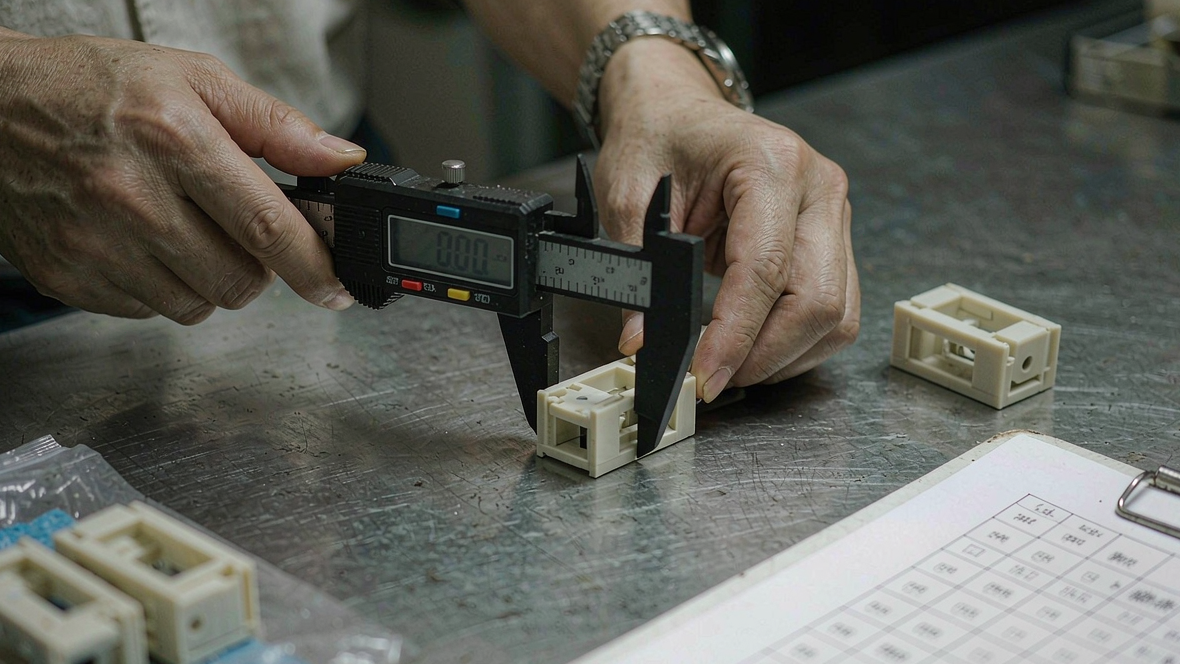
Even a seemingly minor material substitution can make existing test results less representative if the change affects characteristics covered by the original testing.
After approving a revision, determine whether the existing quality control plan remains adequate.
Depending on the change, the factory may need to:
- Produce a revised sample or first-off unit.
- Verify dimensions and material specifications.
- Conduct functional or durability testing.
- Check assembly and packaging quality.
- Update labels and technical documentation.
- Arrange additional testing or compliance review where required.
Use First-Article Approval for Significant Changes
For significant changes, inspect a representative unit manufactured under the revised production conditions before authorizing the affected batch to continue.
Compare the unit against the updated specifications and record the inspection results.
If the change involves safety-critical components or regulated products, obtain the appropriate technical or compliance review before authorizing production or shipment.
A previously approved sample should not automatically be treated as validation of a revised product.
When to Review Compliance Requirements
Some changes may trigger additional testing, documentation updates, or reassessment of existing conformity evidence.
| Product Category | Potentially Relevant Changes |
|---|---|
| Electrical and electronic products | Component, power-rating, or circuitry changes may affect applicable safety or electromagnetic compatibility requirements. |
| Children’s products | Material or component substitutions may affect testing and documentation obligations under applicable children’s product safety rules. |
| Chemical-containing products and materials | Changes may require a review of applicable REACH, RoHS, or safety data documentation, depending on the product and material. |
| Food-contact products | Changes to coatings or materials may require additional assessment or testing against applicable food-contact requirements. |
These examples do not mean that every change automatically requires recertification or new testing. The actual requirements depend on the product, destination market, applicable regulations, certification arrangements, and nature of the revision.
Consult the relevant testing laboratory or qualified compliance professional when the implications are uncertain.
8. Update the Production Schedule and Delivery Plan
After confirming the technical and commercial impact, establish a revised production schedule.
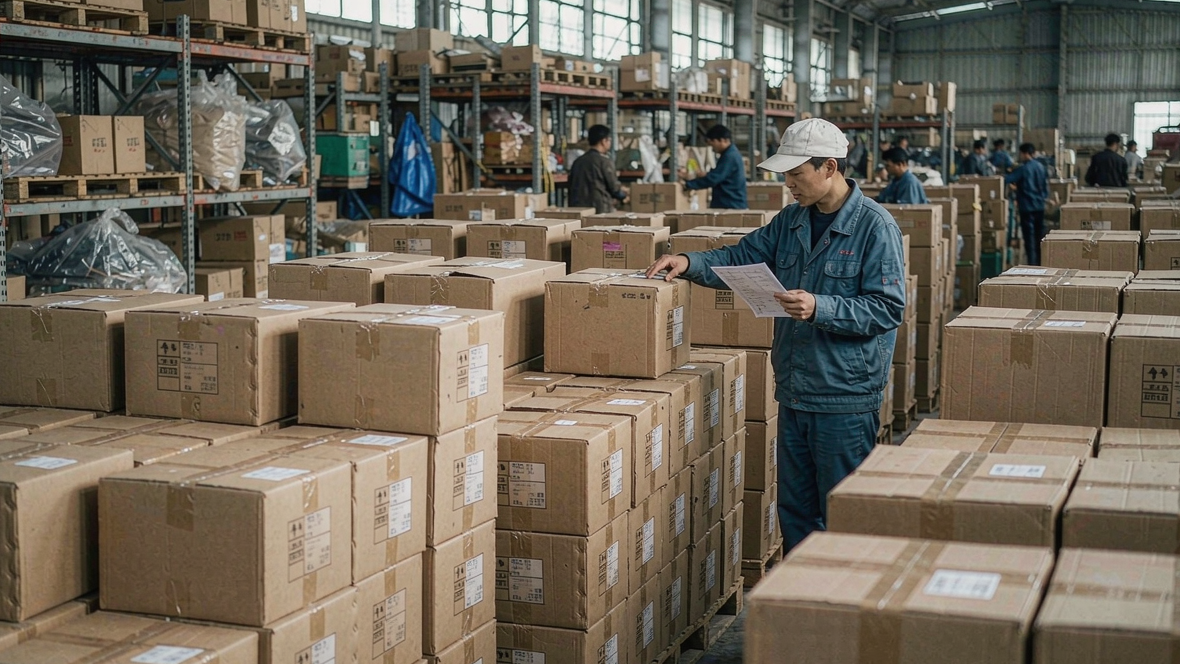
The plan should account for material procurement, production adjustments, sample approval, testing, inspection, packaging, and shipment preparation.
Ask the supplier to confirm:
- When the revised instructions will be implemented
- Whether production must stop and for how long
- When new materials or components will be available
- When revised samples will be ready, if required
- The expected completion date for each affected batch
- The revised inspection and shipment dates
Evaluate Alternative Delivery Options
If the original deadline cannot be maintained, evaluate practical alternatives.
Partial Shipment
Ship unaffected units first and arrange a separate shipment for the revised batch, if commercially acceptable.
Prioritized Production
Prioritize urgent quantities or products with the greatest immediate business impact.
Packaging Adjustment
Evaluate whether nonessential packaging revisions can be implemented in a later order without compromising required labeling or product acceptance.
Alternative Logistics
Compare faster transportation for a limited quantity against the cost and timing of the original shipping plan.
Compare the additional cost of each option with the business impact of a delay.
For example, shipping most of an order on time and delivering the revised batch later may be preferable to delaying the entire order, provided that the products are acceptable for their intended use and the buyer approves the arrangement.
Never promise a revised delivery date until the factory has confirmed the production plan and the relevant logistics arrangements have been reviewed.
9. Improve Communication When Sourcing from China
Effective change management depends on timely and consistent communication between buyers, suppliers, production teams, and quality control personnel.
When different parties work from different versions of a specification, errors can occur even if everyone is trying to follow the instructions.
The following practices can help reduce misunderstandings when coordinating production changes with Chinese suppliers.
Confirm Agreements in Writing
Use calls or instant messaging for urgent discussions, but follow up with a written summary of the final agreement.
Confirm the revised specifications, affected quantities, costs, responsibilities, and delivery schedule. Email is useful for maintaining a clear record, while a signed change request may provide stronger evidence of formal approval when appropriate.
Verify Production Feasibility
A sales contact may need confirmation from the factory’s production or engineering team before committing to a change.
Ask the supplier to verify feasibility with the relevant personnel instead of assuming that an initial response represents final production approval.
Account for Time-Zone Differences
Urgent instructions sent near the end of the buyer’s business day may not be reviewed by the factory until the next working day.
Build sufficient time into the change approval process, especially when material procurement or production holds are involved.
Use Visual Evidence Where Appropriate
For revised samples or first-article units, request dated photographs or videos showing the relevant details.
Visual evidence can help confirm appearance, assembly, labeling, and other observable characteristics. However, it cannot replace physical measurement, functional testing, laboratory testing, or an independent inspection when these are required.
Assign One Person to Coordinate the Change
Designate a responsible owner to coordinate approvals, distribute updated files, monitor progress, and escalate risks.
For complex projects, a short review involving purchasing, engineering, production, and quality control can help ensure that everyone understands the same requirements before implementation.
The objective is to make every change traceable, approved, and consistently executed.
10. Common Mistakes to Avoid
Even experienced buyers can make avoidable mistakes when managing changes during production.
Approving Changes Without an Impact Assessment
A design update may affect material procurement, tooling, testing, or delivery. Request a complete assessment before authorizing additional work.
Relying Only on Verbal Instructions
Informal communication can lead to conflicting interpretations. Keep the approved change request and revised specifications in a documented format.
Assuming the Factory Can Implement Changes Immediately
Materials may already have been purchased, production steps completed, or capacity committed to other orders. Confirm feasibility and timing before making commitments to customers.
Failing to Update Inspection Criteria
If product specifications change but inspection standards remain based on the original version, the factory may approve units that do not meet the revised requirements.
Ignoring Existing Inventory
Discarding all original materials or reworking every finished unit may be unnecessary. Evaluate which inventory can be reused and which products remain acceptable.
Leaving Additional Costs Undefined
Disputes can arise when buyers and suppliers have different expectations about responsibility for rework, new materials, or expedited freight.
Review the purchase agreement and document the agreed allocation of additional costs before authorizing the revised work.
11. Build a Change Management Process for Future Orders
Repeated production changes may indicate that product requirements are not being reviewed thoroughly enough before mass production.
Although some revisions are unavoidable, businesses can reduce disruption by strengthening the approval process before production begins.
Recommended Preventive Measures
- Finalize product drawings and specifications before placing the order.
- Approve samples that accurately represent the intended production version.
- Confirm materials, components, packaging, and labeling requirements in writing.
- Establish a formal change approval procedure.
- Define who can authorize changes and additional spending.
- Set clear rules for managing work in progress and obsolete materials.
- Include quality inspection and testing requirements in the purchase agreement.
- Maintain a record of changes, their causes, costs, and outcomes.
After each project, review why the change occurred and whether it could have been prevented through better planning, sampling, or supplier communication.
Over time, this process can improve cost visibility, reduce repeated errors, and help suppliers execute orders more consistently.
Final Thoughts
Product changes after production has started can create significant challenges, but they do not always need to result in major delays or unnecessary losses.
The key is to assess the change before implementation, establish the actual production status, calculate the full financial impact, and document the revised requirements.
Buyers should also reassess quality and compliance requirements, update the production schedule, and ensure that every party works from the same approved specifications.
For businesses sourcing from China, effective product change management depends on clear communication, reliable production information, and consistent follow-up.
A structured approach helps protect product quality, control additional costs, and reduce disruption while keeping the order aligned with business requirements.
Frequently Asked Questions
1. Can a product be changed after mass production has started?
Yes. Many products can be modified after production begins, but feasibility depends on the type of change, production status, material availability, and manufacturing processes. Assess the technical, financial, quality, and delivery impact before approval.
2. Who should pay for product changes during production?
Responsibility depends on the cause of the change, the approved specifications, the purchase agreement, and the circumstances involved. Review the agreed terms and document the allocation of additional costs before authorizing the revised work.
3. Should production always stop when a change is requested?
No. A production hold may be necessary when continuing could create safety, compliance, or significant quality risks. For less critical changes, the factory may be able to continue unaffected work or apply the revision to a separate batch.
4. How can buyers reduce the cost of late-stage product changes?
Identify affected quantities, check whether existing materials can be reused, compare rework with replacement costs, and evaluate whether the change can be limited to unproduced units. Early assessment and clear communication can help prevent unnecessary expenses.
5. Does a product change require a new sample or inspection?
Not every change requires a completely new sample. However, significant changes to materials, dimensions, functionality, or manufacturing processes should be evaluated carefully. Revised samples, first-article approval, additional testing, or inspections may be appropriate depending on the risk.
6. How do product changes affect delivery schedules?
Changes may require new materials, tooling adjustments, rework, additional testing, or revised packaging. Ask the supplier for a detailed revised schedule and consider partial shipments or alternative logistics when appropriate.
7. What should buyers do if a factory refuses to implement an approved change?
Ask the supplier to explain the reason in writing. The factory may have concerns about technical feasibility, additional costs, or existing production commitments. Review the purchase agreement, clarify cost responsibilities, and evaluate alternative solutions before deciding how to proceed.
8. How can businesses prevent product changes from disrupting future orders?
Finalize specifications before production, approve representative samples, establish written change control procedures, define approval authority, and maintain clear version control. Reviewing the causes and costs of previous changes can also help prevent recurring problems.